How Chinese culture links 4 cardinal directions to life’s natural cycle – and why
In traditional Chinese culture, the cardinal directions – east, west, south, and north – represent more than mere points on a compass; they reveal how ancient societies comprehended life, death, and human nature. The Shuowen Jiezi, the earliest surviving dictionary of China compiled during the Eastern Han dynasty (25–220), explains the four cardinal directions in relation to the movement of the…
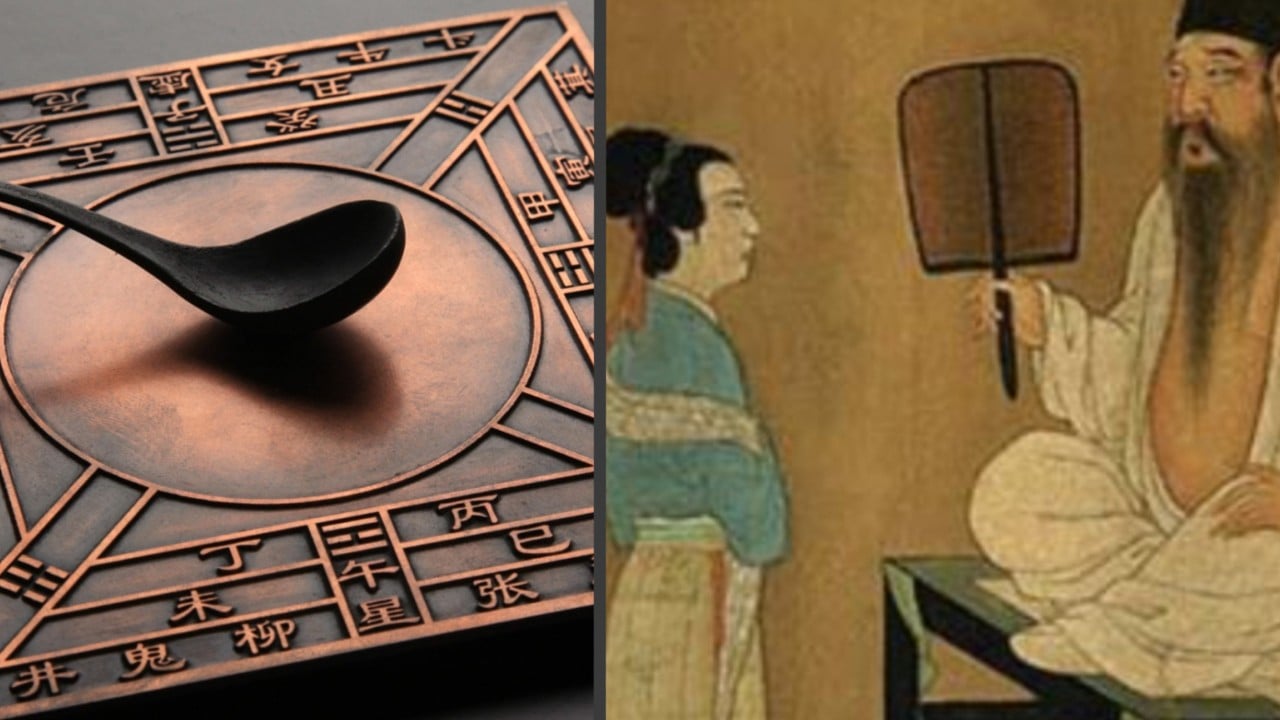
Traditional Chinese culture ascribes profound significance to the cardinal directions – east, west, south, and north – transcending mere geographical points and revealing an intricate understanding of life, death, and human nature. This belief system, deeply rooted in the ancient Eastern Han dynasty (25–220), unravels through various texts and practices, illustrating how deeply these directions were embedded in the fabric of Chinese society.
The east, or "dong," stands as a beacon of hope and prestige, symbolizing the arrival of spring and the sunrise. This association permeates modern Chinese life, where terms like "house east" for landlords, "stock east" for shareholders, and "to host a meal" as "to act as the east" ('zuo dong') still echo the east’s preeminent role.
Conversely, the west, or "xi," embodies endings and mortality, with phrases like “returning to the west” and “riding a crane westwards” serving as euphemisms for death, reflecting the west’s role in marking the conclusion of the sun’s daily journey.
The north, with its ancient linguistic roots, finds expression in the solar character "bei," which visually resembles two individuals standing back-to-back, encapsulating the imagery of defeat and retreat. Conversely, the south, characterized by the saying “Not turning back until hitting the southern wall,” embodies stubbornness and unyielding persistence, often linked to architectural features of traditional courtyard houses.
Beyond mere geography, these directional concepts weave into the architectural, social, and political spheres. In traditional seating arrangements, husbands were placed to the east and wives to the west, reflecting patriarchal hierarchies. In court settings, facing south was deemed the most prestigious position, intrinsically tied to the emperor’s authority.
This directional system extended to the five-phase tradition, where east corresponded to wood, west to metal, south to fire, and north to water, each element interacting to influence natural cycles and human existence.
Jing Mei, a prominent Chinese language scholar, notes that these directional meanings extend far beyond geography, shaping everything from burial practices to the metaphors used in literature. For instance, "dong xi" – literally “east-west” – transcends its geographical connotations, serving as a universal term for “things,” as seen in expressions like “mai dong xi,” meaning “buy east-west,” possibly rooted in historical market locations.
This intertwining of direction with fundamental elements of life underscores the depth of Chinese cultural understanding, illustrating how these cardinal directions were not merely navigational aids but vital components of a worldview that permeated every aspect of daily life.
Written by urgent.news from South China Morning Post's reporting — not their text. Machine-written — may contain errors; check the original before relying on it.