‘He told me peptides were safe’: Alex's quest to get bigger became a warning for young men
Australian bodybuilder Alex Boutin began using steroids as a teen and later turned to unapproved injectable peptides; after he died from myocarditis at 33, his sister is warning of a booming online market and the body-image pressures behind his years of use
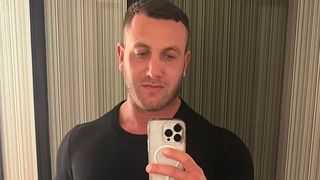
Nearly two years have passed since Alex Boutin, a 33-year-old Sydney man, died, but his story remains a cautionary tale for young people enticed by promises of enhanced muscle growth, faster fat loss, and accelerated recovery through performance-enhancing substances. To his sister Isabella, his journey began as an insecure teenager seeking to become bigger.
After his girlfriend broke up with him, he entered a gym where older, muscular men suggested steroids as a means to quickly increase muscle mass. This desire for change developed into a decade-long use of steroids, compounded by the addition of unapproved injectable peptides. Isabella watched her brother transform, noting the emergence of aggression, anxiety, depression, and dependence.
On October 16, 2024, Boutin collapsed at a dinner party and was found dead. Initially described as a heart attack in media reports, the post-mortem examination revealed myocarditis, inflammation of the heart muscle, as the cause, which family doctors attributed to his prolonged drug use.
The substances found at Boutin's home included products aimed at stimulating testosterone production after hormonal suppression. Isabella learned of his peptide use only a few years before his death, when he reassured her that a friend had recommended them and that they were safe. The term "peptides" encompasses a broad range of substances, some of which have established medical uses, while others are unregulated and sold online without proper oversight.
Australia's Therapeutic Goods Administration has issued warnings about the availability of unapproved peptides, which can be marketed for various purposes, such as muscle building, fat reduction, and anti-aging. These unregistered products have not undergone rigorous safety, quality, and effectiveness assessments, and their contents may not match the labels or doses claimed.
Adverse effects, including liver injury, allergic reactions, and inflammation, have been reported in cases of unapproved peptide use, especially when injected. The risk is heightened without proper manufacturing controls and sterility. Despite this, access to these substances has become remarkably easy, often facilitated by social media and online forums where users can quickly obtain and use these potentially dangerous products.
Written by urgent.news from Ynetnews Culture's reporting — not their text. Machine-written — may contain errors; check the original before relying on it.