Has Anthropic's new watermarking feature opened up another can of AI worms?
Anthropic's newly launched watermarking feature for text created by its Claude generative artificial intelligence platform is aimed at promoting transparency and complying with legal requirements. Among other things, it is also aimed at reining in difficulties caused by the technology and the AI slop that has flooded the internet . But the move seems to have opened up more questions than answers.…
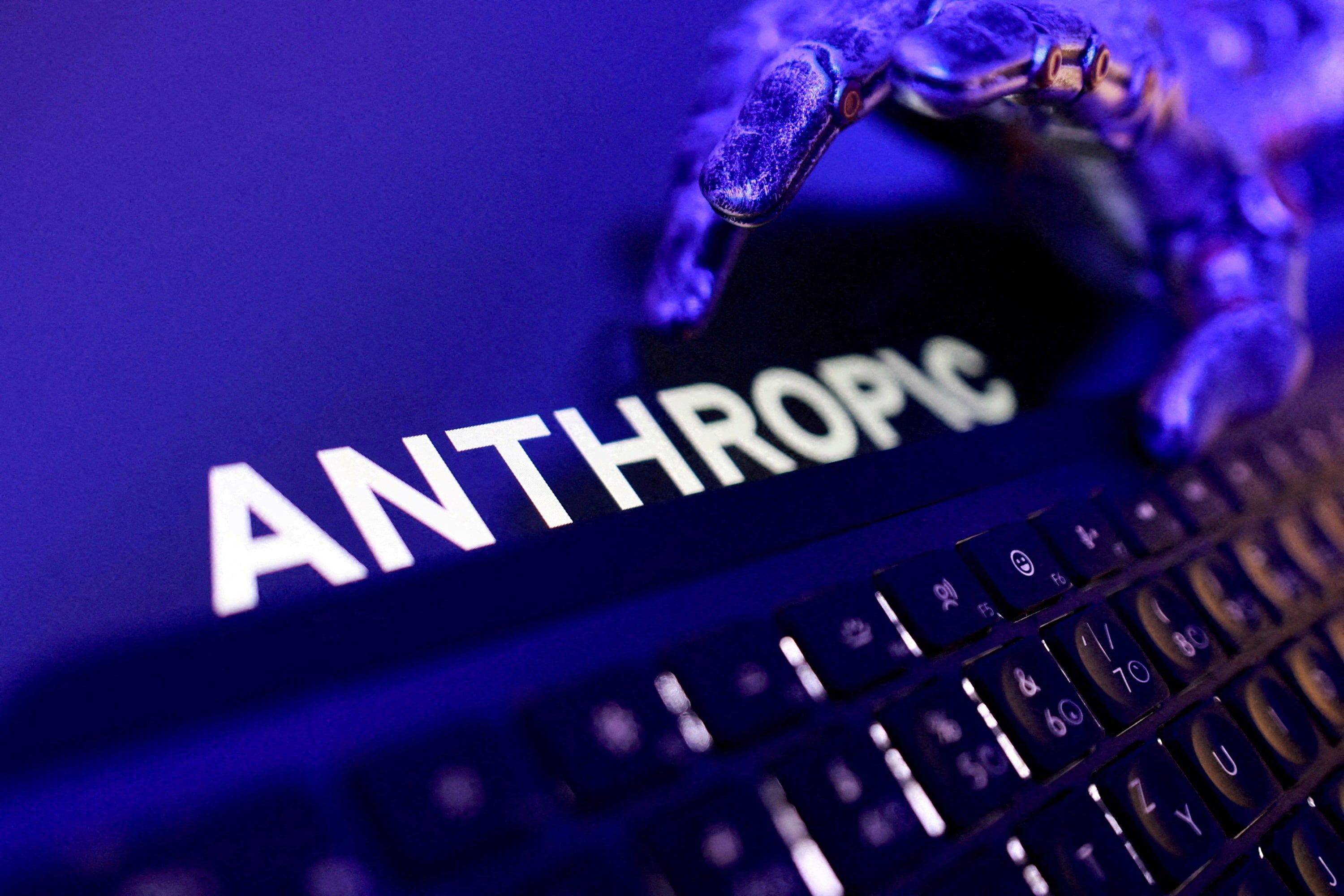
Anthropic, a leading AI company, has launched a new watermarking feature for text generated by its Claude AI platform. The move aims to enhance transparency, comply with legal requirements, and address the challenges posed by AI-generated content flooding the internet. However, industry experts have raised concerns about the potential implications of this feature.
Tina Austin, director of AI education and learning systems at UCLA, argues that the watermark may not be a reliable indicator of AI involvement. She notes that a mark merely proves that Claude interacted with the content, but not necessarily wrote it. Additionally, heavy editing or format conversion could remove the watermark. Compliance with the EU AI Act's Transparency Code, which mandates machine-readable marks to detect AI-generated or manipulated content, has been a challenge for tech giants like OpenAI, Google, Meta Platforms, and Microsoft. Even LinkedIn and Snap have implemented features to flag AI-generated content.
Anthropic's watermark will travel with the generated text or file, even when copied and pasted, and will be applied across all versions of Claude's stable services. However, the company acknowledges the limitations of the feature, including the disclaimer that a detected watermark does not conclusively prove Claude's involvement in creating the content.
The move has sparked debate among academics and educators. While some see it as a potential tool for detecting AI-generated work, others express concerns about its impact on academic integrity. Tim Mousel, an AI faculty fellow at Lone Star College in Texas, acknowledges the possibility of using watermarking as evidence in reviewing students' work but questions its long-term implications.
Richard Whittle, professor of AI and public policy at the University of Salford, expresses worries that the focus on detection may inadvertently facilitate AI replacing students' thought processes.
Anthropic has provided some surface-level details on how the watermarking feature works, but has yet to share sufficient technical information about the algorithm. This lack of transparency raises questions about the effectiveness and reliability of the feature. Nevertheless, the launch of Anthropic's watermarking feature marks a significant step in the ongoing efforts to address the challenges and uncertainties surrounding AI-generated content.
Written by urgent.news from The National Business's reporting — not their text. Machine-written — may contain errors; check the original before relying on it.
Also reported by 1 other outlet
- Has Anthropic's new watermarking feature opened up another can of AI worms? thenationalnews.com