Halting the march of the armyworm: fungus discovery offers hope to African farmers
South African scientist’s breakthrough research shows soil fungus could be used in fight against devastating crop pest Hearing about fields full of dead caterpillars enveloped in a mysterious white substance intrigued the South African scientist Letodi Luki Mathulwe. Something was killing off the African armyworm – one of the most devastating pests for farmers in east and southern Africa. The…
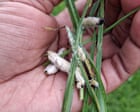
South African scientist Letodi Luki Mathulwe discovered that a naturally occurring fungus could potentially help combat the devastating effects of the African armyworm, a crop pest that has wreaked havoc in east and southern African countries. The fungus, which causes the armyworms to die, was identified by Mathulwe in the fields of Kikuyu grass in KwaZulu-Natal, a province where the caterpillars had previously decimated the local crops.
The African armyworm is particularly dangerous as it not only destroys crops like maize and sorghum but also releases a harmful chemical compound in grass that can make cattle sick. Its impact can be devastating, causing significant food shortages, skyrocketing food prices, and putting a strain on government budgets. An outbreak in Zambia in 2017 resulted in the destruction of up to 40% of the country's maize production.
Furthermore, the moth stage of the armyworm allows the population to migrate, making it hard to control. Mathulwe's discovery of the fungus offers hope to farmers, as it could potentially eliminate the fear that the caterpillar creates, ensuring the safety of their animals and the health of their crops. However, further research and testing are still needed to develop a product that can be used by farmers.
Written by urgent.news from The Guardian's reporting — not their text. Machine-written — may contain errors; check the original before relying on it.
This story
This is one outlet's version. Read the fullest account.
