GitHub Users Adapt to Initially Disliked Features but Retain Lingering Frustrations
Why do developers complain about GitHub but stay? Explore six persistent workflow problems, vendor lock-in, and why teams keep working around GitHub’s flaws.
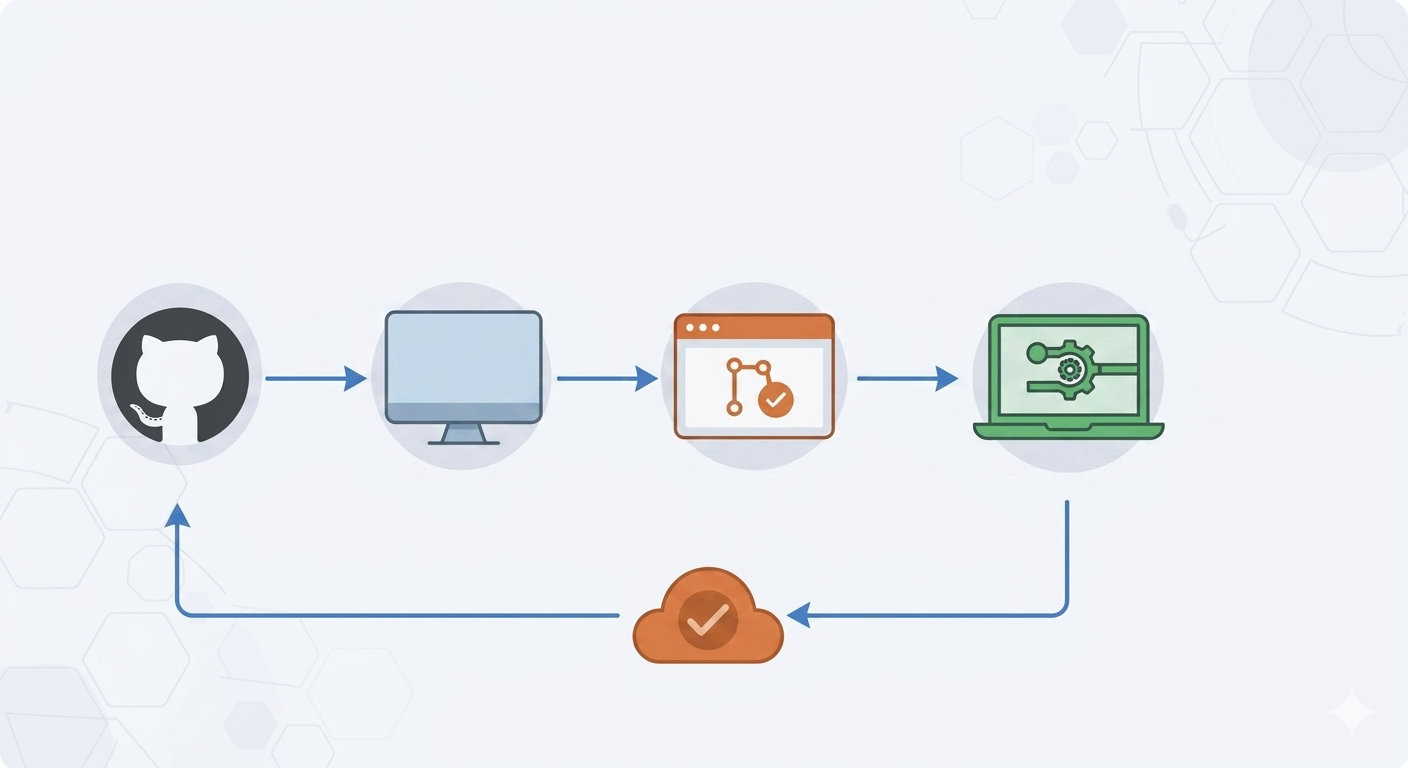
GitHub has become an essential tool for developers worldwide, offering a platform that is indispensable yet often irritating. This paradoxical relationship stems from the platform's unique position in the developer community. Developers have grown accustomed to GitHub's certain annoyances, not because they are benign, but because the cost of finding a replacement is prohibitive. This habituation masks a deeper discomfort: reliance on GitHub is more about necessity than preference.
Upon closer examination, six persistent issues plague GitHub, each reflecting broader systemic problems within its architecture. First, the pull request (PR) review process is a bottleneck for large-scale collaboration. The linear, comment-based feedback loop forces reviewers to sift through lengthy threads, often overlooking critical context.
This fragmentation leads to prolonged resolution times, as developers must mentally reconstruct the intended feedback. Users attempt to mitigate this issue by establishing external documentation or leveraging third-party tools, but these solutions merely alleviate the surface-level pain points, leaving the core inefficiency—GitHub's failure to integrate contextual feedback directly into the PR interface—untouched.
Second, GitHub Issues, intended for a comprehensive tracking system, have become a disorganized mess. The flat, unprioritized structure leads to a chaotic environment where issues are lost in the noise. Users attempt to impose order through labeling systems or migrate to external project management tools, but these workarounds only patch over GitHub's inherent lack of native prioritization mechanisms.
The cumulative effect is a significant drain on developers' time, as they spend more effort filtering through irrelevant issues than resolving critical ones. GitHub’s incremental updates, such as improved search filters, are superficial fixes that fail to address the underlying architectural flaws. A more effective solution would be a tiered issue system with built-in prioritization, but GitHub's organizational inertia impedes such fundamental changes.
Third, merge conflicts, although a fundamental issue in Git, are exacerbated by GitHub's interface. The raw diff presentation forces developers to mentally parse changes, leading to cognitive overload. This issue is compounded by the absence of real-time conflict resolution tools. Users adapt by using local IDEs or command-line interfaces, but this workaround highlights GitHub's reluctance to innovate beyond the core functionalities of Git.
The risk here is technical lock-in; developers tolerate the interface's shortcomings because migrating to a platform with better conflict resolution tools is prohibitively expensive. The optimal solution would be a visual, inline conflict resolver, but GitHub's incremental improvement strategy prioritizes UI enhancements over fundamental workflow overhauls.
Fourth, GitHub's notification system exemplifies cognitive dissonance. Users are frustrated by the incessant pings, yet they cannot ignore them due to the platform's network effects—missing a notification could mean missing out on critical feedback. The system's default behavior is to notify for everything, resulting in overwhelming users and reducing productivity.
GitHub's attempts to address this issue, such as customizable filters, are merely partial solutions that do not address the root problem: the default notification behavior. A more effective solution would be a machine learning-based prioritization system, but GitHub's vendor lock-in ensures that users are trapped in their workarounds, such as muting threads or using third-party applications.
Fifth, GitHub Wikis are largely ignored in most repositories. The issue stems from a combination of technical lock-in and user habituation. Wikis are inherently tied to repositories, limiting flexibility and forcing teams to default to external documentation tools. This lack of adoption has severely impacted the platform's usefulness.
The cumulative effect is a missed opportunity for collaborative knowledge sharing. The causal chain is clear: impact → internal process → observable effect. The lack of Wiki adoption means that valuable information is scattered across various platforms, hindering team productivity. GitHub’s incremental updates have not addressed this core issue, as the platform continues to prioritize UI tweaks over substantive feature enhancements.
In conclusion, GitHub's love-hate relationship is a manifestation of deeper systemic issues. The platform's dominance is a result of network effects and technical lock-in, which make it difficult for developers to switch despite their frustrations. While incremental improvements address superficial irritations, they do little to tackle the core inefficiencies that plague the platform.
The rise of alternatives like GitLab and Bitbucket signals a growing demand for developer tools that prioritize user experience over market dominance. GitHub's challenge is not just to fix what is broken but to demonstrate its ability to evolve without forcing users to settle for "good enough." By understanding these dynamics, we can identify not only what is wrong with GitHub but also how the broader ecosystem can improve.
Written by urgent.news from HackerNoon's reporting — not their text. Machine-written — may contain errors; check the original before relying on it.