Ghana’s tomato, ginger shortfalls deepen import bill, CSIR researchers say
Ghana’s tomato imports alone exceed US$230 million annually, while a disease-driven collapse of ginger has left the country 99 per cent import-dependent, Council for Scientific and Industrial Research (CSIR) researchers have said, urging a research-led recovery. Scientists at CSIR said the country’s increasing dependence on imports highlights weak seed systems, limited irrigation, poor soil…
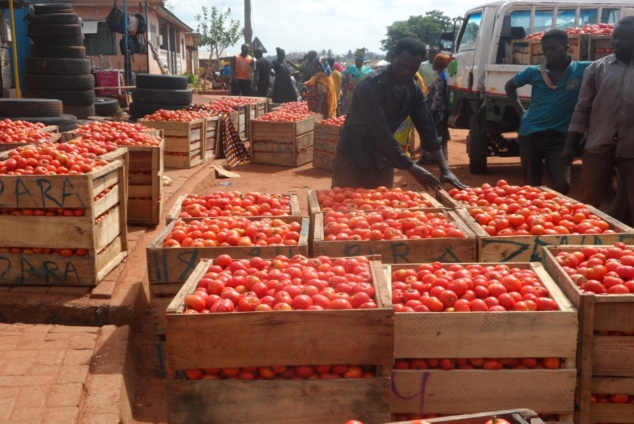
Ghana's tomato imports exceed US$230 million annually while ginger imports account for over 99% of the country's needs due to a disease outbreak. CSIR researchers urge a research-led recovery, citing weak seed systems, limited irrigation, poor soil health, disease pressure, and insufficient investment in horticultural research as key contributors to the shortages.
Ghana imports most of its tomatoes from Burkina Faso and China, paying a combined US$150 million for fresh and processed tomatoes. Only 15-18% of the national tomato demand is met through local production, with the country producing between 120,000 to 180,000 metric tonnes from 25,000 to 30,000 hectares of land. Fresh tomato imports cost about US$18 million, while imported processed tomatoes amount to 400,000 to 450,000 metric tonnes at a cost of US$150 million.
The country's average yield of tomatoes is between seven and 10 tonnes per hectare, while potential yields can reach 20 to 80 tonnes under improved varieties and good management. Ginger is primarily imported from China, Nigeria, and Burkina Faso, with annual imports costing US$500,000. The disease, bacterial wilt, has devastated ginger production, reducing national output from 102 tonnes in 2020 to 10 tonnes in 2025, driving prices to unprecedented levels.
Written by urgent.news from Adom Online's reporting — not their text. Machine-written — may contain errors; check the original before relying on it.