Geld: Der Millionenerbe, der die Millionen nicht will
Kai Viehof hat den Großteil seines Erbes ausgeschlagen, auch vom Rest will der Enkel des Allkauf-Gründers das meiste weggeben. Über einen Mann, dessen Beruf es ist, sinnvoll Geld loszuwerden.
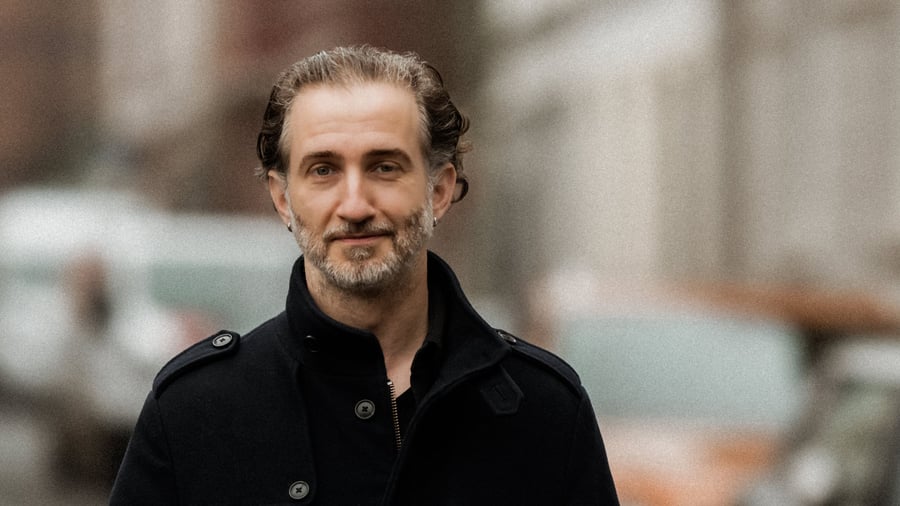
Kai Viehof, a self-made millionaire, defies the typical stereotype of a billionaire. Standing at a modest height with a slight beard and wearing black shirts and pants, he appeared reserved during a recent ARD talk show. Viehof's grandfather founded the wholesale chain "Allkauf" in the 1960s, which was sold to Metro AG for approximately 1 billion marks in 1998.
However, Viehof declined his share of the inheritance, as he felt no desire to accumulate wealth. This decision marked him as a new face in the ranks of millionaires who prefer to distribute their wealth rather than accumulate it. Among them are Sebastian Klein, an author and co-founder of the Blinkist app, and Marlene Engelhorn, a descendant of the BASF chemical company's founding family.
Over half of private fortunes in Germany come from inheritances or gifts, according to the German Institute for Economic Research. Only the US and China have more super-rich individuals than Germany, with 27% of the country's financial wealth coming from such sources. Viehof now openly discusses the issue of wealth distribution, stating that he won't accept questions about wealth inequality as mere "jealousy debates."
Instead, he considers them a "central debate" that those who have gained wealth through the system should address. This includes Viehof himself, who has decided to donate or invest seven-eighths of the middle-class inheritance he received. The money, which amounts to a middle-class million, was initially intended for the family but is now being given to a charitable foundation.
Viehof, who learned tax accounting but no longer works in the field, is now focused on spending money meaningfully, until it's gone. He was 17 when the family sold the "Allkauf" company and has long considered donating his inheritance. At one point, he even contemplated entering the field of development aid. As a teenager, he had considered helping with global poverty, noting that rich and poor are two sides of the same coin.
His father, whose name is Eugen like Viehof's grandfather, gifted him stocks and other assets worth a middle-class million. At the time, he wasn't fully aware of the value of these assets or what he was signing. Today, he wonders if he would have refused. He acknowledges that he could use this money for other purposes, such as charity.
At 30, he received another middle-class million, the actual inheritance. However, he declined it. He knows that this is a luxury problem, but he feels bound by legal and moral responsibilities to use the money in a way that benefits others. He worries about passing on the wealth to future generations without causing hardship. This is a common concern among dynasties, where families feel obligated to pass on their wealth to blood relatives.
Viehof felt that he would have a business relationship with his family regardless, and he didn't want to continue this tradition. Additionally, he struggled with the idea of inheriting such a large sum without any contribution to his achievements. After a conversation with his father, they agreed that the inheritance should go to a charitable foundation.
However, Viehof retains a middle-class inheritance for himself and his two children, maintaining a buffer for security. He has the option to refuse this remaining amount, which could last him for an unknown period. Viehof admits that he will have to face criticism for this decision, questioning whether it would be more prudent to simply keep everything.
He emphasizes the importance of democracy, stating that without it, the concept of spending one's wealth meaningfully becomes meaningless.
Written by urgent.news from Handelsblatt's reporting — not their text. Machine-written — may contain errors; check the original before relying on it.