From Nutrition to Vaccines, Here's What MAHA Policies Fail to Deliver
(MedPage Today) -- The U.S. faces a genuine public health challenge. Rates of chronic disease such as diabetes and hypertension, obesity, substance use, mental health conditions, and health inequities remain stubbornly high despite decades of medical...
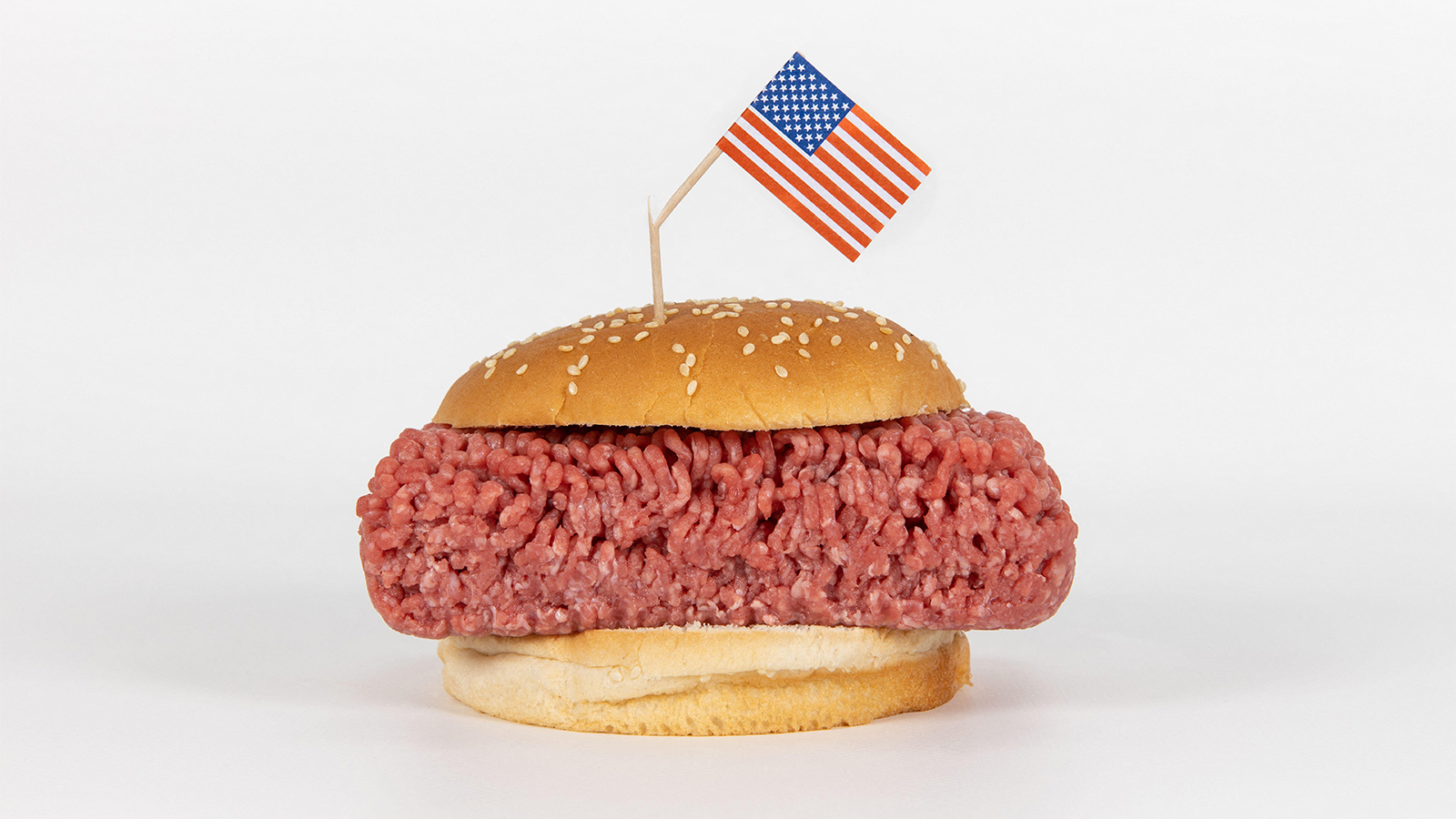
The United States grapples with persistent public health issues despite decades of medical interventions. These problems include chronic diseases like diabetes and hypertension, obesity, substance use disorders, mental health conditions, and health inequities. The Make America Healthy Again (MAHA) movement emerged in response to this frustration, focusing on nutrition, ultraprocessed foods, environmental exposures, sedentary lifestyles, and the growing burden of chronic disease among children.
The White House's MAHA report acknowledges these concerns, urging renewed attention to prevention and wellness.
However, public health is more than just a slogan or campaign. It necessitates a healthcare system centered around patients and communities, offering universal and affordable access to preventive services, primary care, mental health care, medications, and vaccines. Nutrition, physical activity, and social connectedness should be integral to a comprehensive approach to health.
While MAHA advocates highlight the need to reduce environmental toxins and improve food quality, the policy implications often conflict with these goals. For instance, the 2025 reconciliation law is projected to cut federal Medicaid spending by approximately $911 billion between 2025 and 2034, potentially increasing the number of uninsured individuals by 7.5 million over this period.
Additionally, proposals to reduce Supplemental Nutrition Assistance Program (SNAP) benefits would exacerbate food insecurity, making it harder for families to afford fresh produce, lean proteins, and minimally processed foods.
Conflicts of interest also pose challenges. MAHA leaders often criticize the perceived influence of pharmaceutical companies and large healthcare institutions. The MAHA report expresses concerns about corporate capture and revolving-door relationships within health policy. Simultaneously, investigations reveal that key figures in the MAHA movement have financial ties to companies selling wellness products, supplements, health-testing technologies, and related services.
While conflicts of interest do not automatically imply wrongdoing, they warrant consistent disclosure and scrutiny of commercial interests.
Trademark applications linked to MAHA, covering various media, merchandise, educational products, and health-related activities, also raise questions about the balance between public advocacy and private commercial interests. While such trademarks do not invalidate the movement, they prompt reasonable inquiries about the relationship between advocacy and commercial activities. Public trust hinges not only on good intentions but also on transparency.
Moreover, the relationship between science and the MAHA movement is another critical aspect. Scientific skepticism is healthy, but it must not devolve into distrust. Effective public health requires an environment where evidence can be debated while maintaining confidence in scientific methods, peer review, and the institutions safeguarding public health.
The recent executive order from President Trump, endorsed by HHS Secretary Robert F. Kennedy Jr., seeks to revise the childhood vaccine schedule, reducing routine recommendations, separating the measles, mumps, and rubella (MMR) vaccine into single-dose shots, and spacing immunizations without scientific justification. Such changes contradict established scientific evidence and medical guidelines, potentially lowering vaccination rates and increasing the burden on parents and pediatricians.
This move by the administration is concerning and runs counter to the need for robust public health measures.
Written by urgent.news from MedPage Today's reporting — not their text. Machine-written — may contain errors; check the original before relying on it.