Franchise malatang contains 2.7 times recommended daily sodium intake
A spicy Chinese-style soup sold by major franchise chains in Korea can contain sodium equivalent to 2.7 times the recommended daily intake, an investigation found. The Korea Consumer Agency released the findings Tuesday after examining the nutritional content of malatang from 20 franchise chains. According to the report, a single bowl contained an average of 5,380 milligrams of sodium, equivalent…
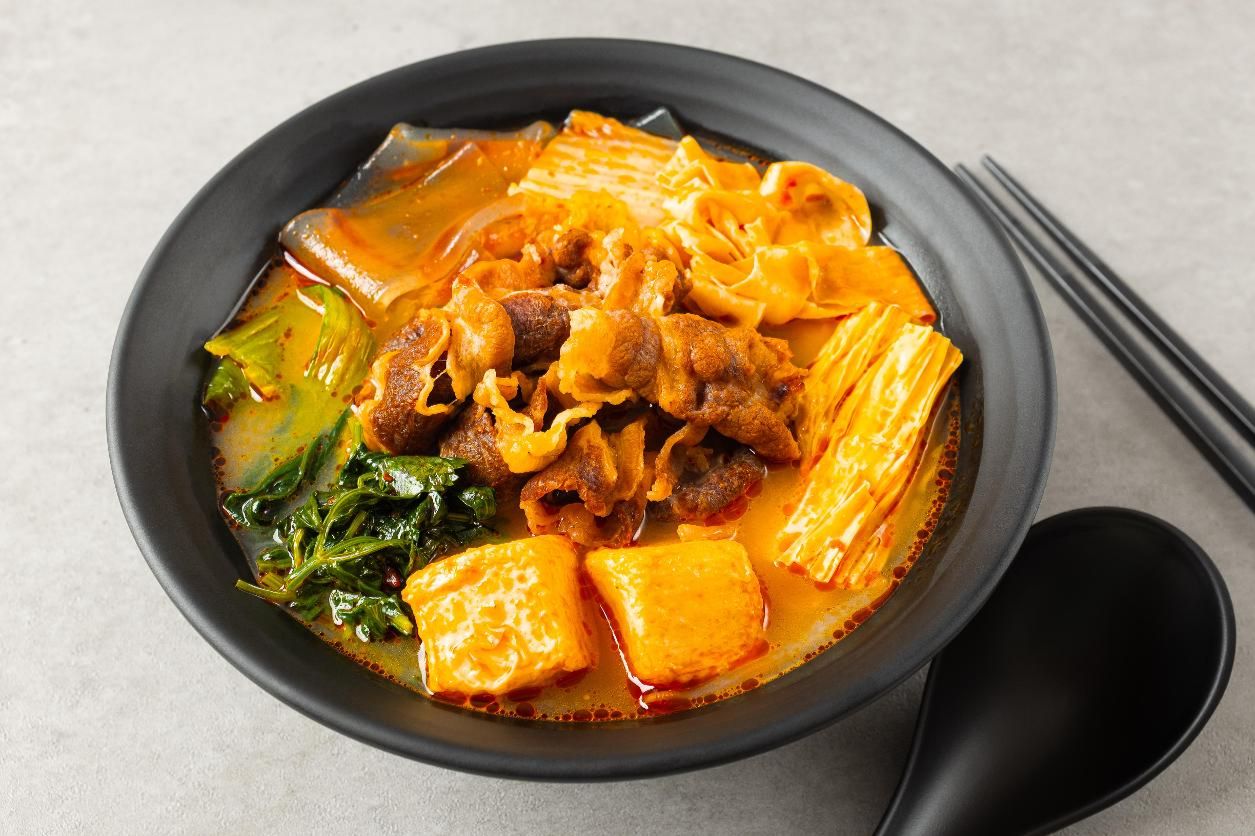
An investigation by the Korea Consumer Agency has revealed that a popular spicy Chinese-style soup known as malatang, sold by numerous franchise chains in Korea, contains sodium levels nearly three times the recommended daily intake. The agency examined the sodium content of malatang from 20 different franchises and found that the average bowl contained 5,380 milligrams of sodium.
This is a staggering 269 percent of the 2,000 milligrams deemed a safe daily limit. The examination also uncovered that each bowl averaged 49 grams of fat, or about 90.7 percent of the daily recommended intake of 50 grams. The range in serving sizes among the franchises was significant, varying from 842 grams to 1,945 grams. This variation means that actual sodium and fat intake could be even higher.
The saltiest malatang measured up to 11,192 milligrams of sodium, while the least salty contained only 3,251 milligrams. Similarly, the fat content in each bowl ranged from 16 grams to a maximum of 95 grams. Each bowl also contained an average of 952 calories, 81 grams of carbohydrates, and 52 grams of fat. The carbohydrates and protein in a bowl equated to 25 percent of the daily recommended intake.
Written by urgent.news from The Korea Times's reporting — not their text. Machine-written — may contain errors; check the original before relying on it.
This story
This is one outlet's version. Read the fullest account.