Four ways the water crisis plan could change how you receive water
The government’s new National Water Action Plan targets cutting non‑revenue water from 47% to 39.5% by 2031, but activists say the plan is “uninspiring”, with no clear deadlines, budgets and strategies, and risking over-reliance on private contractors.
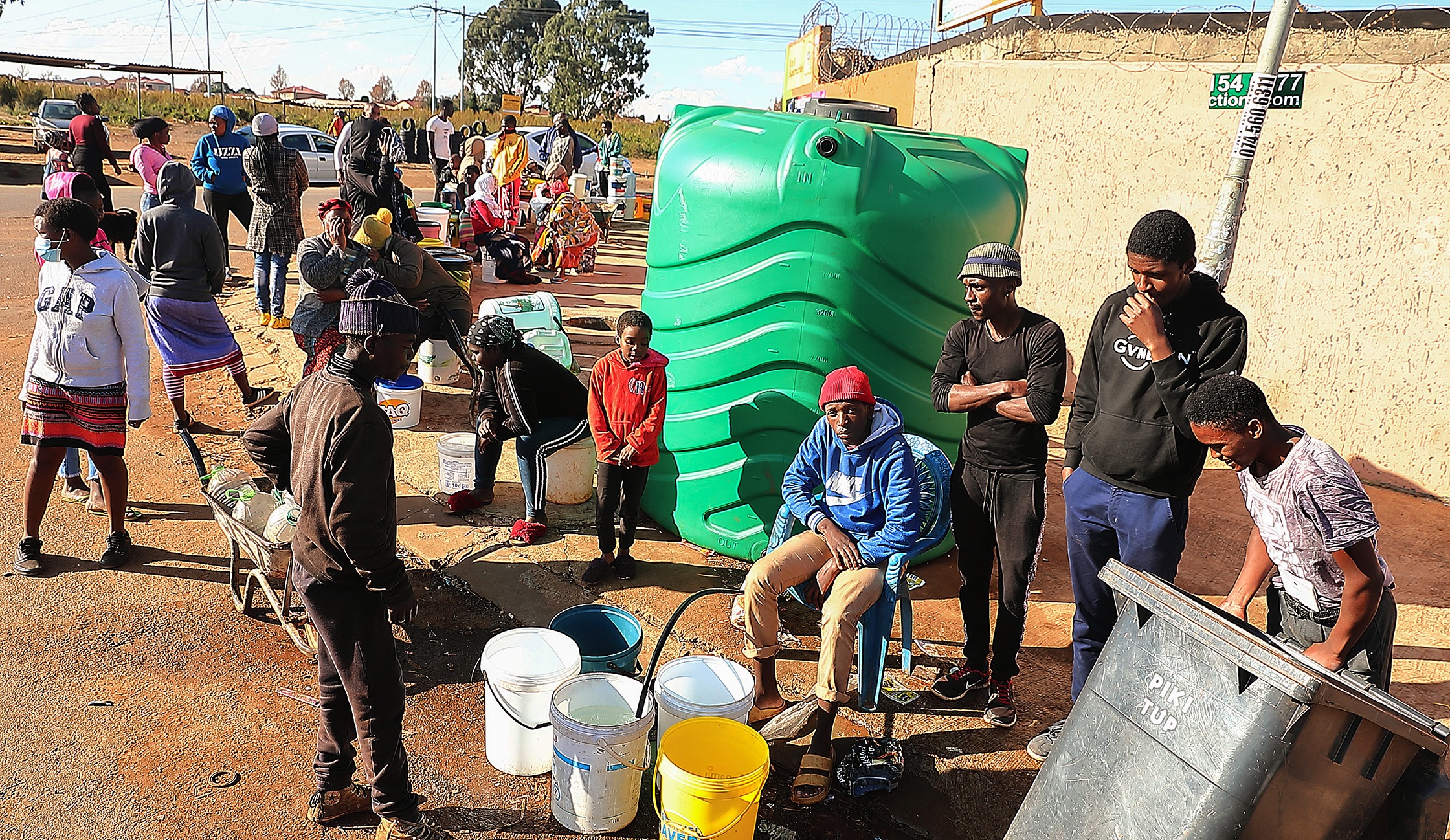
The National Water Action Plan (NWAP) aims to cut non-revenue water losses from 47% to 39.5% by 2031. However, critics argue the plan is "uninspiring" due to lack of clear deadlines, budgets and strategies. The plan is managed by the National Water Crisis Committee, led by the Department of Water and Sanitation.
Key actions in the NWAP include responding to water disruptions, reforming municipal institutions and financing, unlocking infrastructure investment, strengthening legal and regulatory mechanisms, and tackling corruption.
One major change the plan proposes is potentially removing municipalities as water providers. South Africa currently has a unique situation where municipalities serve both as water services authorities (responsible for ensuring access to water and sanitation) and water services providers (those who build infrastructure and fix leaks).
This has led to governance issues where political interests often take precedence over technical aspects of water delivery. The Water Services Amendment Bill, currently in public consultation, would require providers to meet strict technical and financial standards or face national government takeover to ensure professional oversight.
The plan identifies 2,688 communities without reliable water access and aims to provide solutions tailored to rural and urban needs. Rural areas will focus on immediate, cost-effective methods like groundwater development and rainwater harvesting. Urban areas will prioritize extending existing water networks. This approach aims to deliver the "right to water" faster than traditional methods.
Addressing the issue of illegal water tankers, the NWAP views this as a national security threat by shifting focus from administrative measures to outright corruption and criminal activity. The plan aims to regain control over tanker operations and transition back to the traditional "fixed pipe" model to eliminate the incentive for sabotage.
Perhaps the most significant opportunity lies in reducing non-revenue water losses. South Africa currently loses 47% of its water supply to leaks, theft and faulty meters. The NWAP aims to reduce these losses to 39.5% by 2031 through repairing leaks and recovering nearly 10% of the national supply without building new dams. Despite acknowledging the plan as a positive step, water activist Dr. Ferrial Adam warns that the lack of clear timelines and operational details could hinder its effectiveness.
Written by urgent.news from Daily Maverick's reporting — not their text. Machine-written — may contain errors; check the original before relying on it.