Forty Years of Looking to Earth’s Past to Understand Its Future
From ancient greenhouse worlds to ice ages, Earth's past offers vital clues to its future. Explore the 40 th anniversary special collection from Paleoceanography and Paleoclimatology .
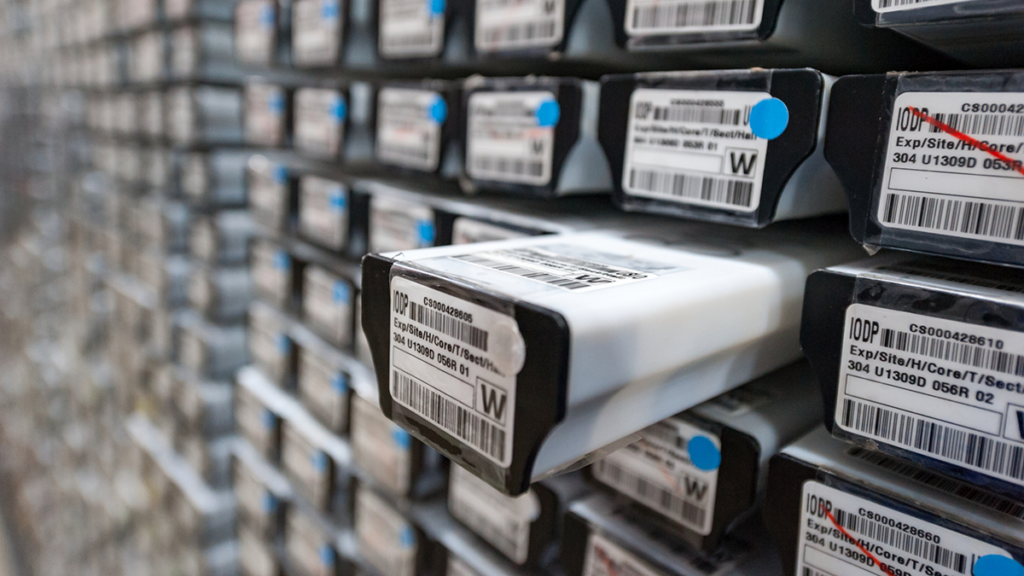
Forty years ago, a journal named Paleoceanography was launched with a vision to integrate geology, chemistry, biology, and physics to understand Earth's climate system across geological timescales. Over the years, its scope has expanded beyond the study of ancient oceans from marine sediment cores to include evidence preserved in lakes, caves, corals, ice sheets, soils, and terrestrial outcrops.
This evolution in focus is celebrated in a special collection of articles published in Paleoceanography and Paleoclimatology since 2018. The collection highlights the breadth of modern paleoclimate science, showcasing studies on ancient greenhouse worlds, ice ages, recent past climates, and the impacts on life. The research also underscores advancements in scientific capability, such as improved sediment retrieval techniques, innovative isotopic and molecular measurements, and sophisticated Earth system models.
These tools allow scientists to analyze data, compare observations with simulations, and test hypotheses about Earth's past climates. The interdisciplinary nature of paleoclimate research is emphasized, as it combines field observations, laboratory analyses, numerical modeling, and large community datasets to address complex questions that no single archive or approach could answer alone.
The lessons from Earth's climate history, revealed through these studies, are both scientific and societal. They remind us of the profound transformations Earth's climate has undergone and the long-term consequences of carbon-cycle disruption and environmental change. As humanity continues to reshape the climate, the insights from paleoclimate research become increasingly valuable for anticipating future changes and informing societal decisions.
Written by urgent.news from Eos's reporting — not their text. Machine-written — may contain errors; check the original before relying on it.