Former Chinese premier Zhu Rongji dies at 97
After being named premier in 1998, Rongji sought to privatize state-owned enterprises and urban housing, and promote home ownership.
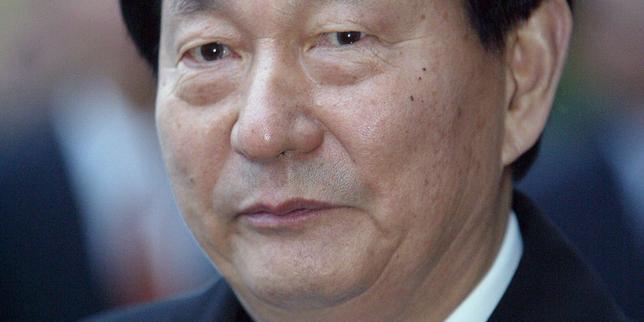
Former Chinese Premier Zhu Rongji, who passed away at the age of 97 on Wednesday, was renowned for his straightforward and unfiltered communication style. In 2011, a compilation of his speeches in four volumes sparked controversy due to his critical remarks about government officials and the economic challenges of the time. Zhu's candid statements gained popularity among the public, particularly in a nation where leaders were previously known for their cautious and bland public pronouncements.
Zhu's tenure as Vice Premier from 1991 to 1998 and as Premier until early 2003 coincided with a period of significant transition in China. As his speeches gained attention, they served as a stark reminder of the conservatism and conformism that characterized the current leadership. Reformist officials and intellectuals found the 2,042-page collection of Zhu's words to be a harsh reflection of the present leadership's shortcomings.
During his time as Premier, Zhu addressed several pressing issues that continue to plague China's economy. These included local government debt, reckless bank loans, inflation, rapid urbanization, and corruption. He also addressed the discontent among ordinary citizens, especially concerning corruption among officials, the wealth gap, and the authoritarian tendencies of some local leaders.
Born at the prestigious Tsinghua University in Beijing, Zhu joined the Communist Party in 1949, the same year the People's Republic of China was established. After serving time in the countryside during the Cultural Revolution, he rose through the ranks after being politically rehabilitated. Zhu became the Mayor of Shanghai in 1987, where he oversaw the city's initial steps towards becoming the global financial hub it is today.
In 1991, Zhu moved to Beijing to serve at the central government, playing a crucial role in implementing the reforms that transformed China from a nation on the brink of collapse following the Soviet Union's disintegration to an emerging superpower with enviable economic growth rates. Under his leadership, Zhu stabilized the Chinese economy, reformed state-owned enterprises, reduced tax power from local officials to the central government, and initiated housing ownership reforms that sparked a real estate boom.
Perhaps most significantly, Zhu played a pivotal role in China's acceptance into the World Trade Organization (WTO) in 2002 through extensive negotiations. Some Chinese officials at the time were concerned that Zhu had made too many concessions during the negotiations, potentially undermining China's economic growth. Despite this, Zhu's tenure as Premier is considered a crucial phase in China's economic development, characterized by ambitious reforms and the emergence of a prosperous market economy.
Written by urgent.news from The Economic Times's reporting — not their text. Machine-written — may contain errors; check the original before relying on it.
Also reported by 1 other outlet
- Former Chinese premier Zhu Rongji dies at 97 economictimes.indiatimes.com