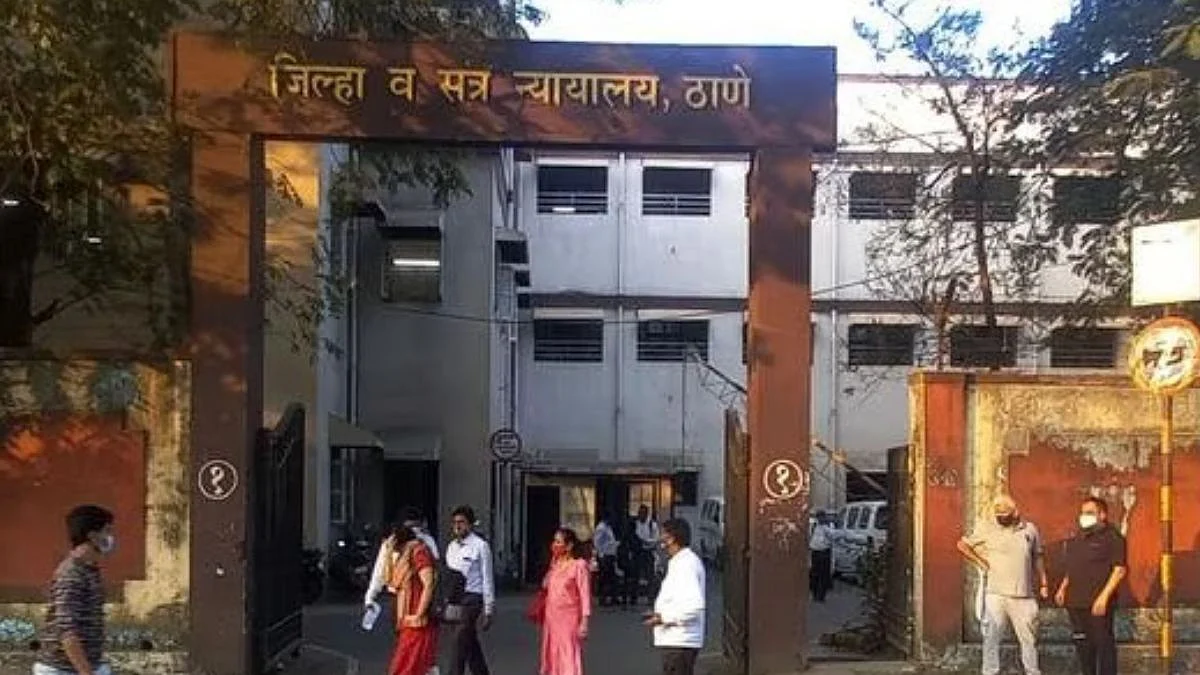
Former A&NI Chief Secretary said Shompen tribe must ‘adopt modern lifestyle’ brought by GNI project, alleges Tribal Council
The Shompen are recognised as a Particularly Vulnerable Tribal Group and have settlements near Galathea, where a power plant is being proposed; Council claims Nicobarese concerns also ignored
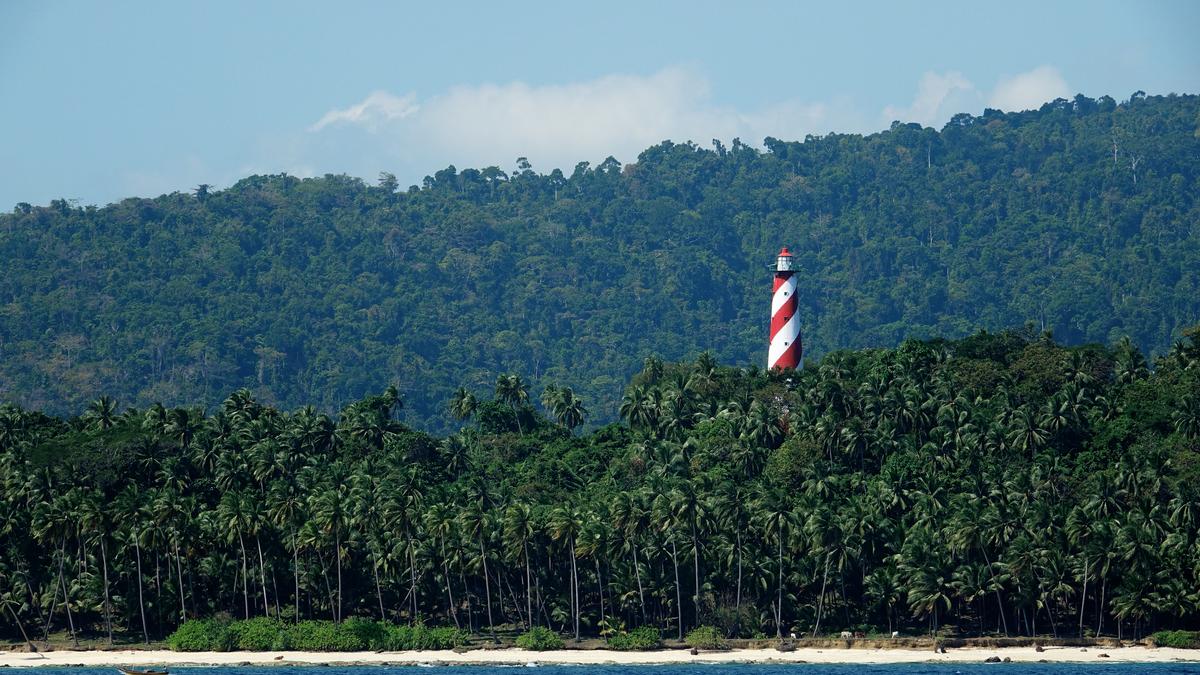
Tribal leaders have accused the Andaman and Nicobar Island administration of attempting to force the Shompen tribe, an isolated indigenous community, to adopt a "modern lifestyle" as part of the controversial Great Nicobar Island development project. This project, estimated to cost over ₹91,000 crore, includes a proposed power plant near Shompen settlements.
At a meeting on July 16, then-Chief Secretary Chandra Bhushan Kumar stated that the Shompen "cannot continue" living in their traditional manner and must follow a "modern lifestyle" brought about by the development. He also mentioned that a settlement for the Shompen may be established upon completion of the project, according to a statement released by the Tribal Council on August 10, 2026.
Mr. Kumar, who later became Union Labour Secretary, did not comment on the allegations. Despite the Environment Minister's reassurance that the Great Nicobar Infrastructure project would not disturb or displace the Shompen, the Tribal Council maintains that their concerns about the project were disregarded, with these concerns omitted from subsequent administration directives.
The Council is scheduled to meet with administration officials again to discuss the township plans for the GNI project. During their initial meeting, the Tribal Council reiterated their demand for relocation to ancestral villages on the west coast of Greater Nicobar and questioned why their consent was not sought regarding wildlife reserve notifications.
The council claims that subsequent letters from the tribal welfare department, referencing the 2017 and 2019 letters, only addressed Nicobarese concerns, leaving out the Shompen's issues. The council asserts that despite assurances of hunting rights retention, these rights were granted without their consent. They also point out that many of their developmental and infrastructural requests remain unresolved.
Written by urgent.news from The Hindu - Sci-Tech's reporting — not their text. Machine-written — may contain errors; check the original before relying on it.
This story
This is one outlet's version. Read the fullest account.