Fearing deflated China demand, US soybean growers pivot to new buyers and biofuel
US soybean growers are “adapting” to a steep decline in China-bound exports by selling to third countries and the American biofuel sector, compensating enough to cause only a small drop in production, according to a top trade association’s chief economist. In November, Beijing committed to buy at least 25 million tonnes of American soybeans annually through 2028, as part of an agreement reached…
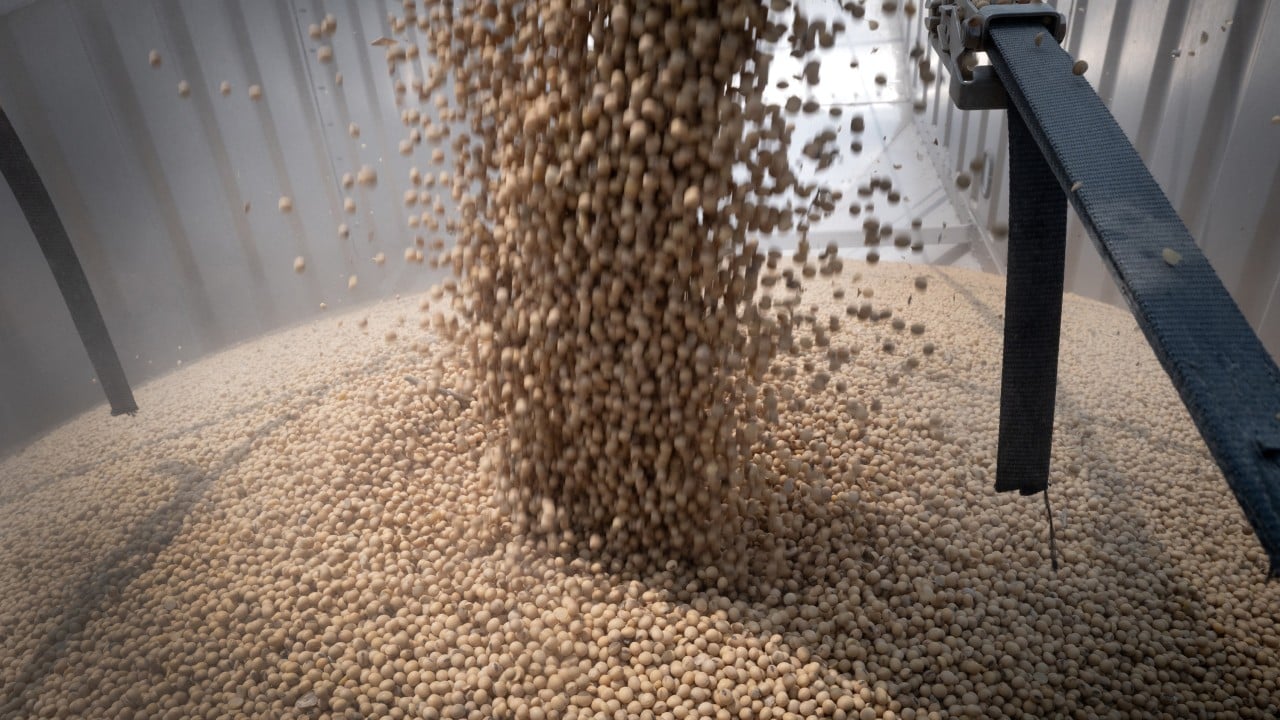
US soybean farmers are adjusting to a significant decline in Chinese imports by targeting alternative markets and biofuel production, according to Scott Gerlt, chief economist at the American Soybean Association. In November 2025, China pledged to purchase a minimum of 25 million tonnes of American soybeans annually until 2028, following the cessation of purchases during President Trump's trade war.
However, only 12.2 million tonnes have been transported to China, which typically accounts for over half of the crop's global exports. Gerlt noted that US soybeans are diversifying their market by increasing sales to other international buyers and expanding biofuel demand. Soybean farmers, mainly concentrated in the US Midwest, manage a combined 83.6 million acres of land.
Despite trade-related challenges, soybean production has experienced only a slight reduction. China remains the largest buyer of US soybeans, and reliable access to this market is vital for the farmers. The crop's value can reach up to $60 billion annually, with Mexico, Egypt, Indonesia, and Europe as key export destinations. The biofuel sector in the US has seen a record 1.43 billion pounds of soybean oil consumption in May 2025, reflecting a 17% increase from the previous month due to government mandates and rising corporate interest in environmentally-friendly fuels.
Chinese soybean importers have increasingly shifted to Brazilian suppliers as the trade conflict has resumed. Gerlt expressed hope that China will resume purchasing the desired quantity of American soybeans to maintain consistent trade relations.
Written by urgent.news from South China Morning Post's reporting — not their text. Machine-written — may contain errors; check the original before relying on it.