Experts Flag Potential Safety Concerns in New Prader-Willi Drug
(MedPage Today) -- Prader-Willi syndrome experts are warning of potential safety risks associated with extended-release diazoxide choline (Vykat XR), a drug approved last year for treating the extreme bouts of hunger experienced by patients with...
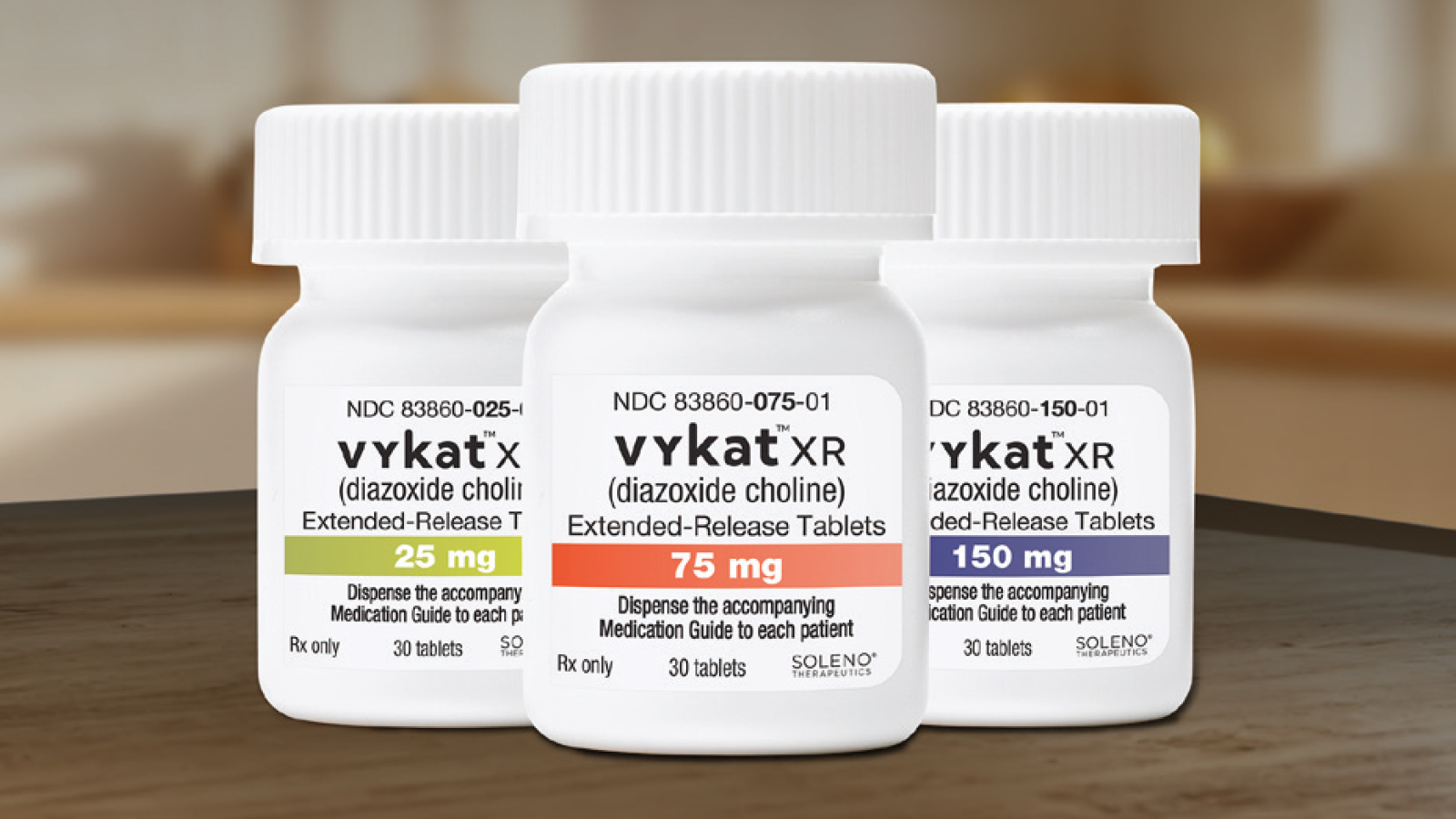
Experts are cautioning about possible safety issues with the new extended-release diazoxide choline drug, Vykat XR, which was approved in 2025 for treating Prader-Willi syndrome. As of July, there have been seven reported deaths and over 100 severe side effects to the FDA system. Most cases involved swelling, breathing problems, and heart issues. The FDA statement aims to raise awareness about the risks when starting Vykat XR.
Experts advise healthcare providers to conduct thorough initial assessments of patients, closely monitor their condition, and potentially slow down the process of adjusting the drug's dose. They also recommend additional safety tests, such as heart scans or checks for fluid retention, before and during treatment, especially if the dose is increased. Prescribers should be alert for warning signs like worsening swelling, shortness of breath, difficulty breathing, and sudden weight gain.
Vykat XR is the first medication approved for treating the constant hunger symptom, known as hyperphagia, in Prader-Willi patients aged 4 and older. Neurocrine Biosciences, the drugmaker, asserts that the drug has a strong benefit-to-risk ratio for a serious condition. In clinical trials, edema was the most frequently reported side effect, occurring in at least 10% of patients, and at a rate at least 2% higher than with a placebo.
The label warns of the risk of fluid overload with Vykat XR. The drug company is actively working with the FDA, patient advocacy groups, and doctors to continue evaluating postmarketing data as the prescribing population grows. The statement stresses that adverse event reports do not prove cause and effect, nor do they account for other medications a patient may be taking that could have contributed to serious outcomes or death.
Medical complications are common in Prader-Willi syndrome, the most frequent genetic cause of lethal childhood obesity. The mortality rate in this population is higher than in the general population, with a yearly death rate of 1% to 3%. Prader-Willi patients often struggle with communication about pain or discomfort, and they may need guidance from a more experienced healthcare professional before starting Vykat XR, especially if the prescriber lacks experience in managing this syndrome.
Written by urgent.news from MedPage Today's reporting — not their text. Machine-written — may contain errors; check the original before relying on it.