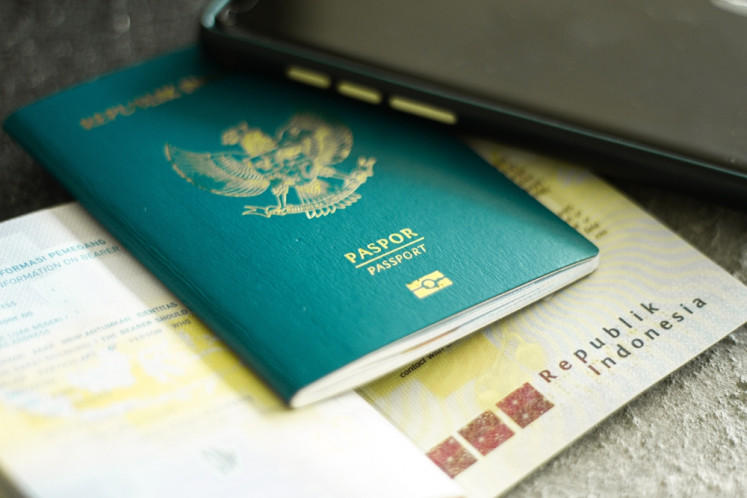
EU's 'battery passport' policy: Trade barrier or fresh opportunity for Korean players?
The European Union's (EU) battery passport regulation is set to reshape the competitive landscape in Europe’s battery market, potentially giving Korean manufacturers an edge over Chinese rivals with weaker supply-chain transparency, experts and industry officials said Monday. Starting from Feb. 18, 2027, a new EU law will require batteries on the European market to carry detailed digital…

The European Union's upcoming "battery passport" regulation is set to transform the competitive landscape of Europe's battery market, potentially providing a competitive advantage to Korean manufacturers over Chinese rivals with less transparent supply chains, experts and industry officials said on Monday. Starting from February 18, 2027, a new EU law will mandate that batteries sold in Europe carry extensive digital information detailing their identity, technical specifications, performance metrics, durability, sustainability, and recycling-related data.
This policy aims to enhance transparency throughout the battery's entire lifecycle, from production and usage to reuse and recycling.
The implementation of this regulation comes at a crucial juncture, coinciding with Korean battery companies experiencing a significant decline in market share within the global electric vehicle (EV) battery sector due to the rapid expansion of Chinese manufacturers. According to recent data from SNE Research, battery usage for EVs, plug-in hybrid electric vehicles, and hybrid vehicles outside China reached a total of 269 gigawatt-hours (GWh) in the first half of the year, marking a 26.3 percent increase from the previous year.
Written by urgent.news from The Korea Times's reporting — not their text. Machine-written — may contain errors; check the original before relying on it.
This story
This is one outlet's version. Read the fullest account.