EU-Verpackungsverordnung: EU-Regeln verbieten PFAS in Fast-Food-Verpackungen
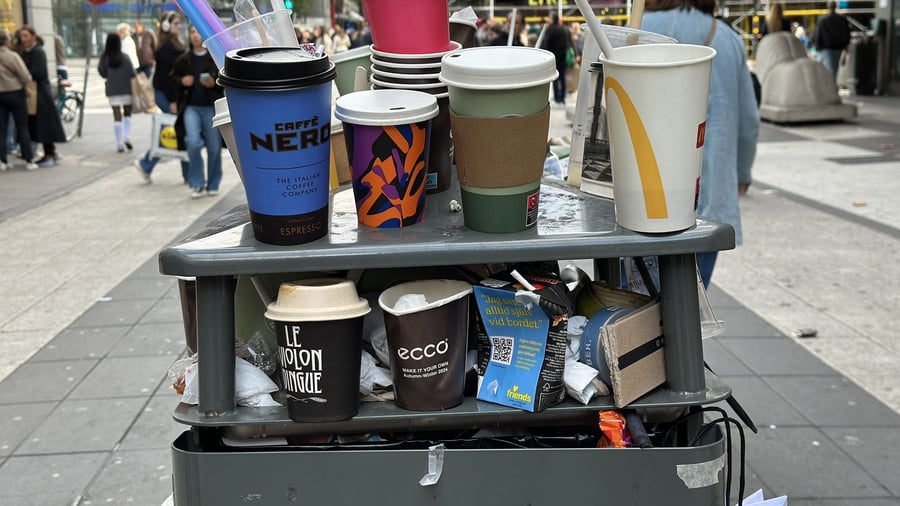
Ein Coffee-to-go, eine Pizza zum Mitnehmen und eine Bestellung aus dem Internet, die im riesigen Karton kommt: In der EU fällt viel Verpackungsmüll an. Neue Regeln sollen den Abfall reduzieren.
EU Verpackungsverordnung in effect, PFAS now banned in fast-food packaging. Starting today, the new EU Verpackungsverordnung prohibits certain harmful substances, known as PFAS (per- and polyfluoroalkyl substances) in food packaging. The regulation aims to prevent fast-food items like burgers and chips from leaching these toxic chemicals, thus protecting consumer health.
The Verkehrs- und Verbraucherzentralen Baden-Württemberg indicates that the limits are so low that PFAS cannot be used as a non-frying coating, effectively banning their use. These substances remain permissible for storage purposes. Besides the stringent PFAS limits, the new regulation also mandates significant changes in packaging design and material.
For consumers, most of these changes will become apparent only by 2030. Future packaging must be recyclable and as compact as possible. The allowable empty space in cartons for online orders, for example, will be limited to 50% - any space filled with air, paper, or Styrofoam will also be considered empty space. Additionally, certain single-use plastic packaging for fresh fruits and vegetables will be banned, along with very thin plastic bags - unless needed for hygiene or loose food items to prevent food waste.
Packaging waste is a major issue, with the EU Statistical Office Eurostat reporting 177.8 kilograms of packaging waste per inhabitant in 2023. The new rules are designed to gradually reduce packaging waste in the EU by at least 15% by 2040, compared to 2018 levels. By 2030, the reduction is expected to be 5%, and 10% by 2035.
Written by urgent.news from Handelsblatt's reporting — not their text. Machine-written — may contain errors; check the original before relying on it.