eThekwini’s water challenge needs fresh thinking
eThekwini’s growing population, ageing infrastructure, water losses and climate pressures are placing strain on water supply. In this piece, Professor David Lokhat examines challenges across the water value chain and explores infrastructure, reuse and technology solutions.
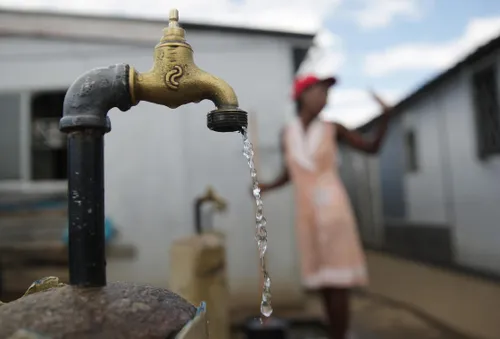
The annual World Water Week at the Stockholm International Water Institute focuses on solutions for water-related challenges globally. However, residents of eThekwini, South Africa, may not see these solutions as applicable to their own water problems. The city has been experiencing water cuts and disruptions, which highlights the importance of understanding the water value chain, which includes water resources, abstraction, treatment, delivery, and wastewater management.
The supply-demand imbalance in eThekwini is primarily due to population growth and leaks in the distribution system. Non-revenue water losses can be as high as 60% in the region, negatively impacting water provision. Climate change, particularly the El Niño Southern Oscillation, poses additional risks to water supply due to hot and dry conditions.
To address these challenges, eThekwini Municipality has invested in major water infrastructure projects, such as the Lower uMkhomazi Bulk Water Supply Scheme, Northern Aqueduct, Ntuzuma Pump Station upgrade, and Southern Aqueduct upgrade. To further improve resilience, eThekwini Water and Sanitation has partnered with the University of KwaZulu-Natal and Sustainalutions South Africa to explore wastewater treatment sludge recycling and advanced water recovery and reuse methods, including thermal hydrolysis processing.
By extending their focus to other parts of the water value chain, eThekwini aims to build a more resilient and sustainable water system for the future.
Written by urgent.news from IOL's reporting — not their text. Machine-written — may contain errors; check the original before relying on it.