Engineers turned dredged sediment into four new Columbia River islands
In an exciting environmental initiative, dredged sediment is being repurposed to form new islands aimed at habitat restoration. Engineers have meticulously placed this sediment to construct islands and adjacent channels along the river. Researchers are examining these man-made islands to gauge their impact on supporting wildlife, especially juvenile salmon. This pioneering technique may pave the…
In October 2020, engineers initiated a routine dredging project on the Lower Columbia River that has evolved into a significant long-term experiment. The project involved pumping 225,000 cubic yards of sediment from St. Helens Bar and carefully arranging it into four small islands and a side channel known as the Woodland Islands. This innovative approach aims to restore lost wildlife habitat, a critical concern for the Lower Columbia River, which faces numerous challenges.
The river serves as an essential transportation route, handling over 40 million tons of cargo annually. To maintain its depth for large commercial ships, crews must annually remove between 6 and 8 million cubic yards of sediment from the riverbed. However, this dredging process has also led to the loss of about 75 percent of the river's natural tidal habitat. This habitat decline has had a particularly detrimental impact on salmon and other native fish species.
Young salmon rely on slow-moving, shallow areas during their journey towards the Pacific Ocean. These areas provide them with essential resting, predator avoidance, and feeding opportunities. The loss of these shallow-water habitats has resulted in lower survival rates for young salmon. The Woodland Islands project aims to address this issue by utilizing dredged sediment to create new habitat.
The 225,000 cubic yards of sand and silt placed along the Washington side of the river have resulted in approximately seven acres of new land. Additionally, the project has helped reconnect parts of the island chain and established a protected side channel. To support the growth of vegetation, compost was added above the waterline, facilitating the planting of native grasses, shrubs, and trees.
As the project continues into 2023, natural river currents will further shape the islands, bringing in organic material and promoting the growth of wild plants alongside the deliberately added species.
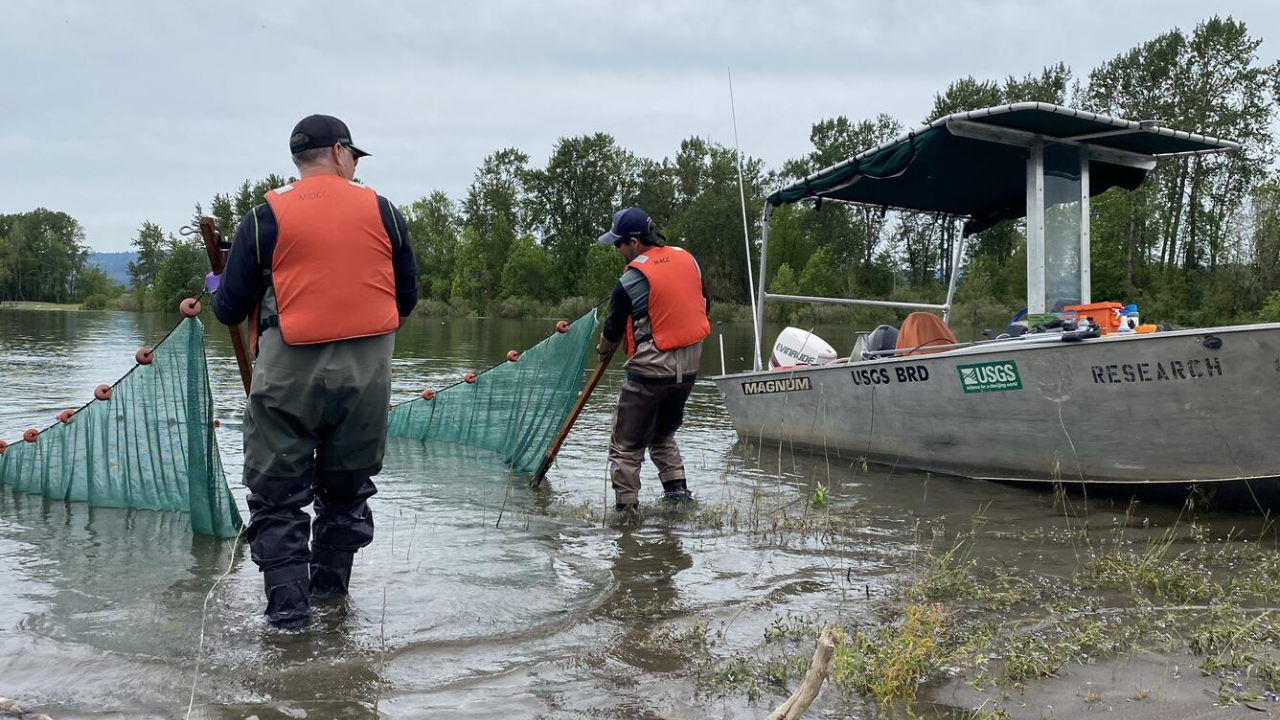
Scientists Brian Ekstrom and Lance Downing are closely monitoring the islands to assess their impact on wildlife. They employ beach seines to collect young fish from the shallow waters surrounding the islands, mapping land changes, studying plant growth, and recording the various species present. The primary objective is to determine which fish and other animals are utilizing the new habitat, whether predators are present, and how productive the artificial habitat is in comparison to nearby natural areas.
Moreover, the Woodland Islands project serves as a valuable resource for researchers planning future sediment placement projects along the Lower Columbia River. Scheduled to begin in 2027, these projects aim to maintain the river's depth for commercial shipping while restoring ecosystem health. Researchers are currently examining five potential sites to record their existing environmental conditions before any new sediment is added.
This information will help engineers choose locations that can provide improved habitat for young salmon while still enabling safe passage for commercial ships.
If the long-term monitoring of the Woodland Islands yields positive results, this approach could serve as a model for other projects across the Pacific Northwest. By transforming dredged sediment from a waste byproduct into a valuable resource for habitat restoration, river managers can address the dual needs of maintaining shipping channels and safeguarding threatened salmon populations.
Ultimately, the findings from this experiment could guide future restoration efforts, demonstrating how carefully managed dredging can simultaneously benefit both economic and environmental objectives.
Written by urgent.news from Times of India's reporting — not their text. Machine-written — may contain errors; check the original before relying on it.