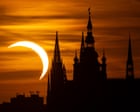
The solar eclipse of August 12, 2026 in Spain, in images
After a seven-minute journey that plunged areas of the northern half of the Peninsula into darkness, the astronomical phenomenon brings its passage through Spain to an end.
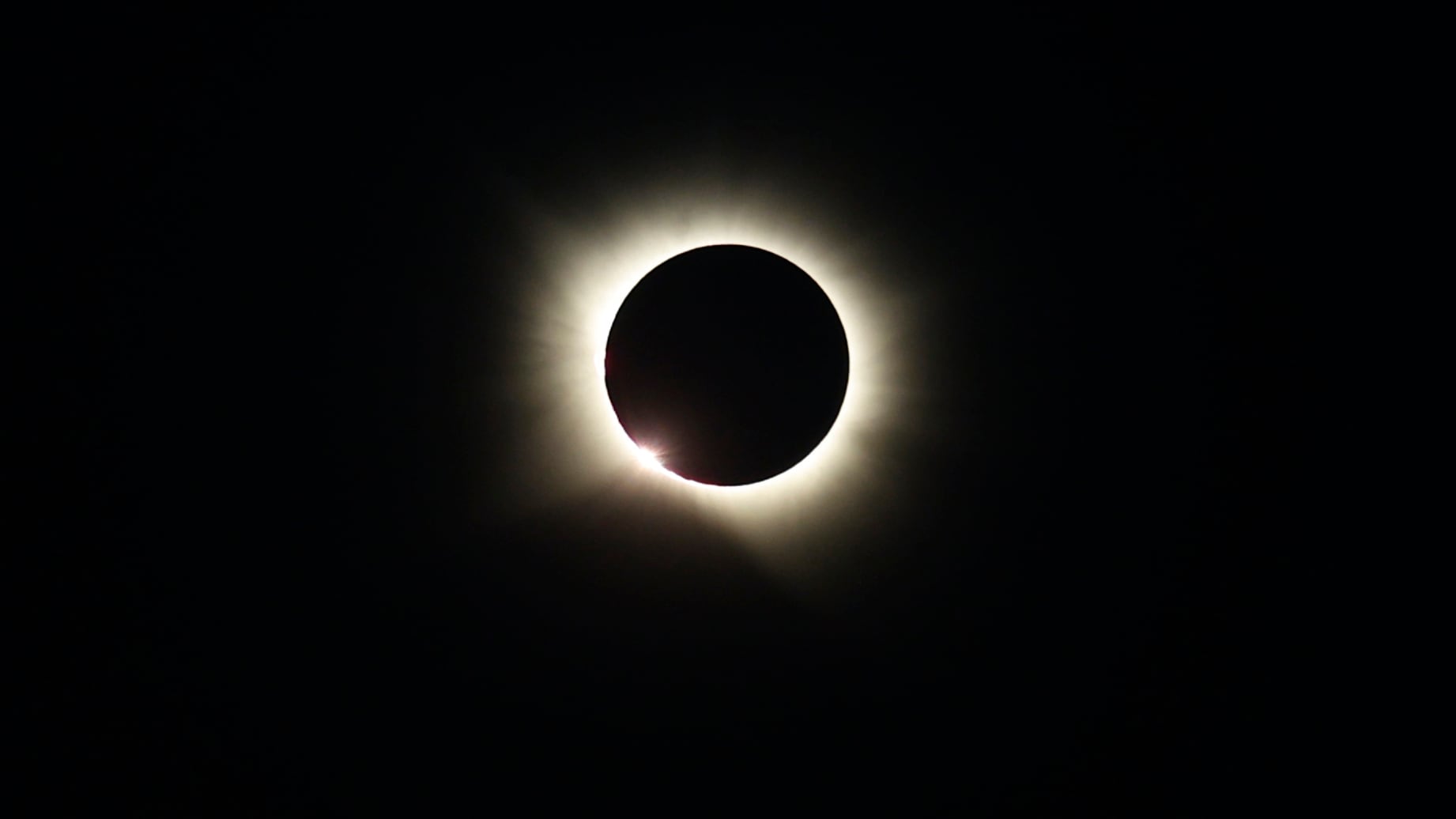
The king of the stars finally revealed his crown. It happened under a colossal shadow cloak that crossed northern Spain to the east at supersonic speed, in just seven minutes, from entering the Cantabrian coast at 20:26 to leaving the Balearic Islands at 20:34 to merge with the night in the Mediterranean Sea. The first total eclipse to traverse the peninsula since 1905 fulfilled its astronomical predictions; yet, it simultaneously captivated an entire country that anticipated and had forgotten anything similar.
At eight-thirty, the entire nation peered in wonder at the same horizon, and more than a single tear flowed from those who watched, turning into a cascade of messages constantly falling in WhatsApp groups. "I'm watching it too," came to be said among Spaniards, in countless photos and videos shared online.
Written by urgent.news from El Pais's reporting — not their text. Machine-written — may contain errors; check the original before relying on it.
This story
This is one outlet's version. Read the fullest account.