Durstlöscher aus dem Hahn: Wann Leitungswasser frisch ist - und wann nicht
Wie lange darf Leitungswasser im Rohr stehen? Warum verändert es an der Luft Geschmack und Qualität? Experten nennen überraschende Zeitgrenzen und geben Tipps für den Alltag.
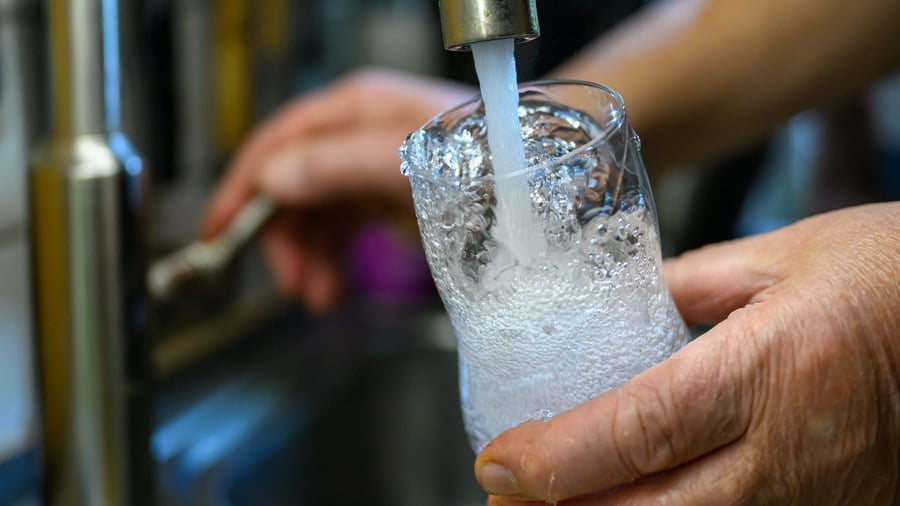
Leitungswasser is often touted as the perfect thirst-quencher, experts emphasize. As a highly monitored food product, it boasts excellent quality. Consumer protection agencies confirm that it's safe to drink, provided the home does not have lead pipes. Since it lacks proteins, sugars, or other nutrients that can feed microbial growth, it never spoils as long as it's fresh.
However, once exposed to air for a while, its taste changes and it can become flat and stale. After four hours in the pipe, the water is no longer fresh. This stagnant water can absorb substances from fixtures or pipes, leading to higher microbial counts. Therefore, for drinking or cooking, water should be allowed to run until it cools, which can take up to 30 seconds.
The initial water wave in the morning or after a vacation can be saved and used for tasks like watering plants, washing dishes, or cleaning. If you prefer to store tap water in bottles for the day, use clean containers like glass bottles, keep it cool and dark, and consume it within one to two days. Drinking directly from a bottle can increase the microbial count as mouth germs mix with the water.
Bottled tap water should ideally be stored in the refrigerator and emptied as soon as possible, preferably on the same day.
Written by urgent.news from Handelsblatt's reporting — not their text. Machine-written — may contain errors; check the original before relying on it.