Dow, S&P 500, Nasdaq: Wall Street trading little changed after inflation data
US consumer prices fall more moderately in July - but there is no all-clear for the Fed. Meanwhile, however, technology stocks are holding up.
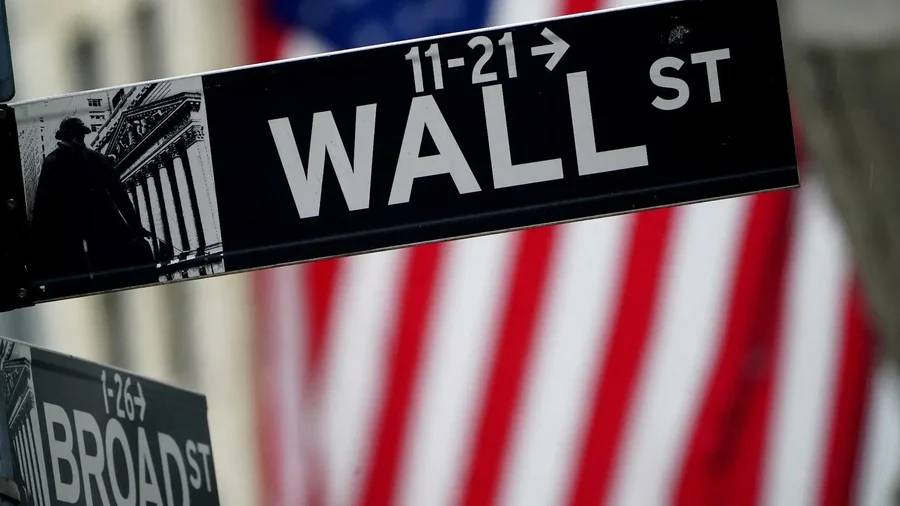
Inflation data, geopolitical uncertainty, and technology stocks are not unsettling US investors these days. The major US indices are trading barely changed on Wednesday. The leading Dow Jones index opens almost unchanged and is hovering around 54,000 points. The current record high from last week is 54,739 points. The broader S&P 500 is trading at up to 7,767 points and barely changed.
The high here is 7,792 points. The tech index Nasdaq Composite starts trading with a 0.7 percent gain at 26,445 points. The Nasdaq 100, which includes the 100 largest non-financial companies listed on the US technology exchange Nasdaq, gains just under one percent at 29,805 points.
On this Wednesday, investors are particularly looking at the development of inflation in the USA. In July, consumer prices (CPI) rose by 3.4 percent compared to the same month of the previous year. This is according to new data from the US Department of Labor on Wednesday. In June, the inflation rate was still 3.5 percent. Experts had expected this slight decline.
The data shines special light on the Federal Reserve (Fed). The US central bank has two core tasks by law: to secure price stability and to promote full employment. For price stability, the Fed aims for an inflation rate of two percent per year. If inflation is above this, the central bank usually resorts to its most important instrument: it raises the key interest rates.
Higher interest rates make loans more expensive - for companies and consumers. Investments become more expensive, demand falls, and price pressure eases.
The catch: too aggressive interest rate hikes can burden the economy and drive unemployment. This is precisely the dilemma of the Fed. It must combat inflation without pushing the economy into recession - a narrow path that markets and analysts re-measure at every central bank meeting.
Translated by urgent.news. Machine-written — may contain errors; check the original before relying on it.
This story
This is one outlet's version. Read the fullest account.
- CNBC Daily Open: Big Tech wants to tap Wall Street's big wallets cnbc.com
- Wall Street ends down as US-Iran peace optimism fades straitstimes.com
- Wall Street ends down as US-Iran peace optimism fades businesstimes.com.sg