Dogs can distinguish between specific negative human facial expressions, brain scans show
New fMRI research shows that dog brains do more than just separate good moods from bad. Canines display distinct neural patterns for human smiles and can neurologically differentiate between specific negative emotions like fear and anger.
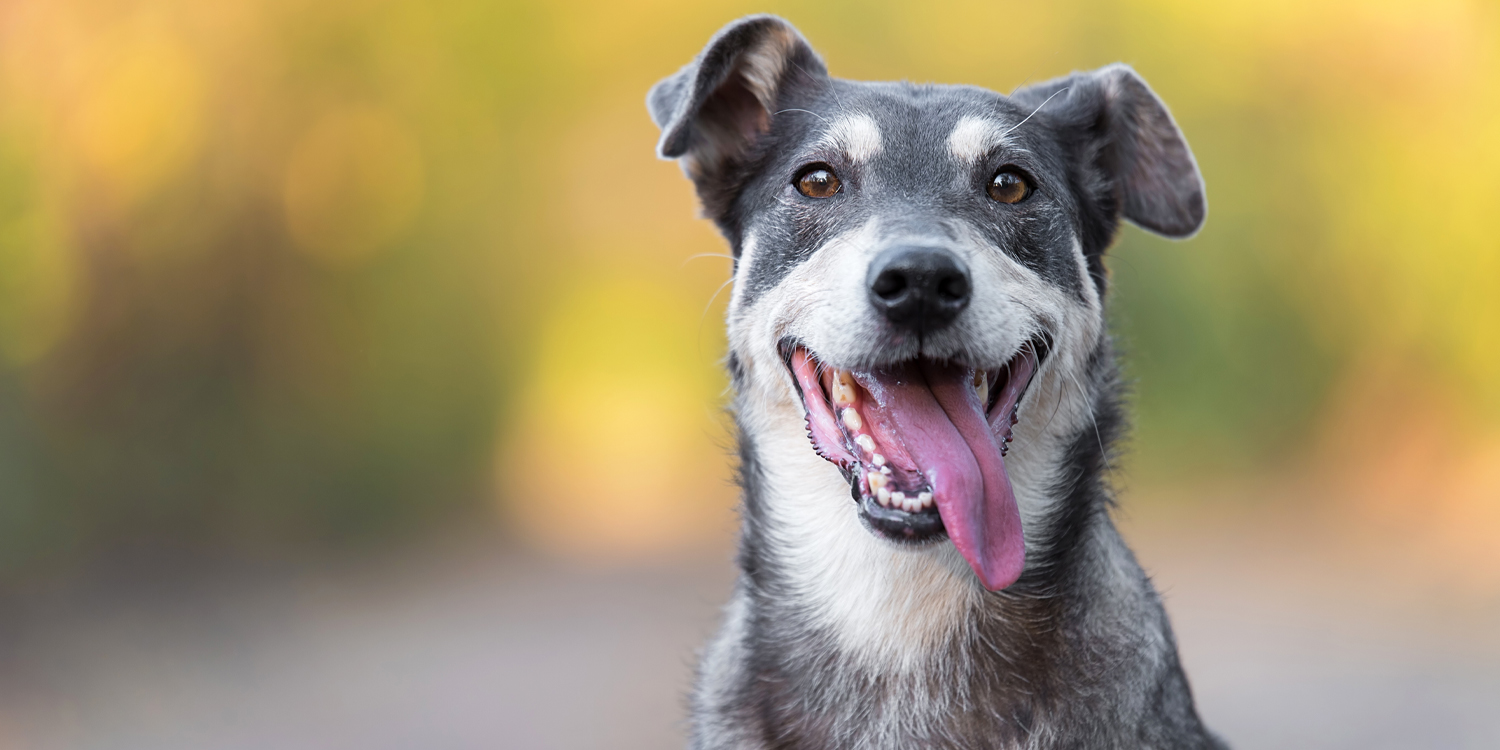
New research published in the journal iScience suggests that dogs possess a nuanced neural representation of specific negative human facial expressions. To investigate this, scientists designed an experiment using photographs of unfamiliar human faces to avoid familiarity bias. Eight awake pet dogs, primarily border collies, were trained to remain still inside a functional magnetic resonance imaging scanner while viewing alternating images of happy or neutral expressions.
The results showed that happy faces elicited stronger brain activity than neutral faces, with increased activity occurring in the right temporal cortex and caudate nucleus regions associated with processing visual and social information. To determine if this brain region responds uniquely to happiness, the researchers conducted a second experiment scanning twelve dogs showing them images of strangers expressing happiness, anger, fear, and sadness.
Using machine learning, the scientists found that the right temporal-caudate network had a preferential responsiveness to happy human faces, differentiating it from anger, fear, and sadness. When analyzing the entire brain, distinct neural patterns differentiated sadness from fear in the right rostral suprasylvian gyrus and anger from fear in the right mid ectosylvian gyrus and left splenial gyrus.
While the study provides evidence of dogs' ability to differentiate between specific negative facial expressions, caution should be exercised in interpreting these findings as dogs do not experience emotions in the same way humans do. The study focused primarily on border collies, whose intense focus on human social cues might influence the results for other breeds.
Additionally, the research used static photographs instead of real-world emotional events, and future studies will use more naturalistic stimuli to observe how dogs integrate all social signals.
Written by urgent.news from PsyPost's reporting — not their text. Machine-written — may contain errors; check the original before relying on it.