Die Inflation in Deutschland ist zurück – und könnte bald ordentlich zulegen
Im Juli haben vor allem die Preise für Energie deutlich angezogen. Neben dem Krieg im Nahen Osten bedroht die Trockenheit die Stabilität.
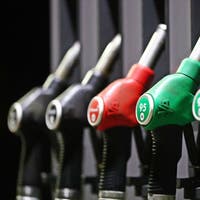
Inflation rates in Germany have seen a decrease in July, with energy prices predominantly driving the increase. Prices at German petrol stations averaged 2.13 Euros for a liter of Super E10 and 2.20 Euros for diesel, up from 1.92 Euros and 1.86 Euros respectively in June. The end of the government's tank rebate program introduced in April led to price increases.
Officially confirmed by the Federal Statistical Office, Germany's living costs rose by 2.8 percent compared to the previous year. Inflation rates surpassed the previous two months of 2.6 percent and 2.3 percent. The risk of further inflation lies in continued oil scarcity and droughts. Energy costs grew by over 8 percent compared to 2025, while fuel prices saw a particularly high increase of 23 percent.
This was largely due to the steep rise in crude oil prices. The government's energy tax reduction on gasoline and diesel, reducing the value-added tax by about 17 cents per liter, mainly benefited wealthier households and had little room for such subsidies amidst tight budgets. European economists noted that German fuel companies largely or partially passed the rebate onto consumers, while the Monopolkommission found it had mainly benefited consumers "but not completely".
A new government debt relief was discussed following June's end, such as direct payments to low-income households or higher commuter allowances. However, high fluctuating market prices left German motorists without state protection. A rule introduced in April limited German petrol stations to increasing prices only once a day at noon.
The measure, similar to that in Austria, resulted in more price volatility and lower evening prices. However, the average level did not decrease compared to previous years. Rising oil prices, along with Iran's and Iran's dispute with the US, could further fuel inflation. A shortage of water in the Rhine could impede barge transport, increase transport costs, and consequently raise the prices of various goods, including food.
Written by urgent.news from NZZ Wirtschaft's reporting — not their text. Machine-written — may contain errors; check the original before relying on it.