Delays, biosecurity failures worsened flu outbreak at Nepal zoo, probe finds
KATHMANDU — Delayed reporting, poor communication and weak biosecurity allowed bird flu to spread through Nepal’s Central Zoo in June and July killing or prompting the culling of at least 65 birds and animals, according to an internal inquiry report obtained by Mongabay. The investigation by the nonprofit National Trust for Nature Conservation (NTNC), the […]
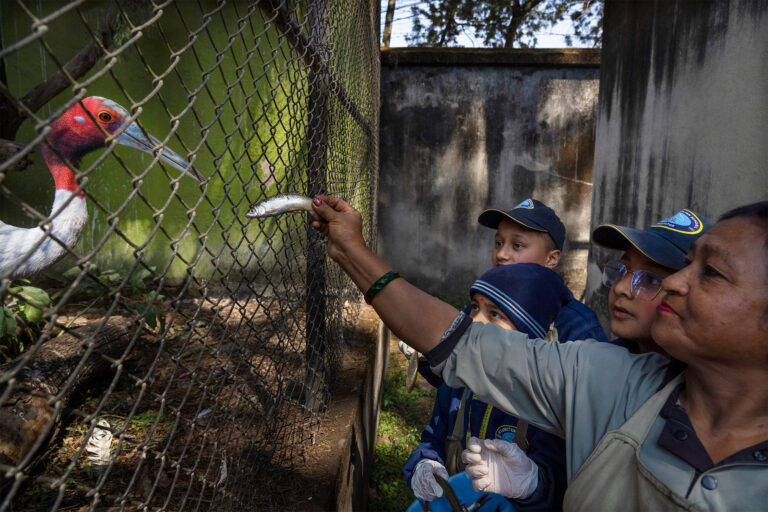
KATHMANDU — An internal investigation into a bird flu outbreak at Nepal’s Central Zoo has revealed several lapses in reporting, communication, and biosecurity protocols that contributed to the deadly spread of the virus, according to a report obtained by Mongabay. The study, conducted by the National Trust for Nature Conservation (NTNC), the governing body of the zoo, found that officials did not respond effectively to an initial warning about avian influenza among crows (Corvus splendens) in Kathmandu.
The zoo remained open for five days even after a rapid test confirmed the presence of the virus, according to the report, which was made accessible to Mongabay following a freedom of information request. The inquiry, headed by Rachana Shah, NTNC's spokesperson and programs manager, raised concerns about a possible conflict of interest.
However, Shah dismissed these concerns, stating that the objective was to uncover institutional failings and glean lessons from the outbreak, rather than conducting a formal investigation into the bird flu incident at the zoo. She clarified, "We treated it as an opportunity to draw lessons from the incident, rather than as a formal investigation into the bird flu outbreak at the zoo."
The investigation found that bird flu killed 27 birds and 14 mammals between June 12 and July 2, 2026. In an attempt to curb the spread, authorities culled 21 birds on suspicion of bird flu.
Written by urgent.news from Mongabay's reporting — not their text. Machine-written — may contain errors; check the original before relying on it.