Data Centres Take a Beating in the US: Any Lessons for South Africa?
Are South Africa's data centres a ticking time bomb? Hassen Lorgat explores the contrasting narratives around AI data centres in the US and South Africa, highlighting the urgent need for critical discourse and regulation.
Two progressive candidates—Abdul El-Sayed and William Lawrence—defeated big-money opponents in Michigan's Democratic Party primaries on 6 August, 2026. Their victories highlighted the growing opposition to data centres and their political significance. The two candidates now face Republican incumbents in November's elections.
El-Sayed won Michigan's Democratic Senate primary, beating Representative Haley Stevens, who outspent him by $65 million. Lawrence won Michigan's 7th District primary, beating two other candidates, with support from progressive leaders like Bernie Sanders and Ro Khanna.
These victories mark a turning point for the anti-data centre movement. Activists complain about noise, excessive electricity and water usage, land use, and strain on local resources. Trump supports expanding data centres, calling them crucial money machines and essential for US economic growth, military dominance over China, and job creation.
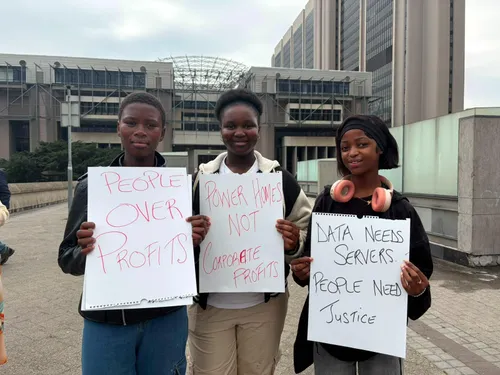
Data centres' environmental impacts, including high energy consumption, depletion of fresh water resources, and rising utility bills, are significant concerns. Real regulation of the industry is needed, and communities are pushing back against their construction near their neighborhoods.
The progressive candidates' campaigns focused on community opposition to data centres and emphasized the power of people to hold authorities accountable. Lawrence and El-Sayed's wins signal a growing public opposition to big tech companies and their influence on local and national politics.
Written by urgent.news from IOL's reporting — not their text. Machine-written — may contain errors; check the original before relying on it.