China Is Finding New Ways to Coerce Uyghurs Abroad
Beijing is a pioneer in softer tools of transnational repression.
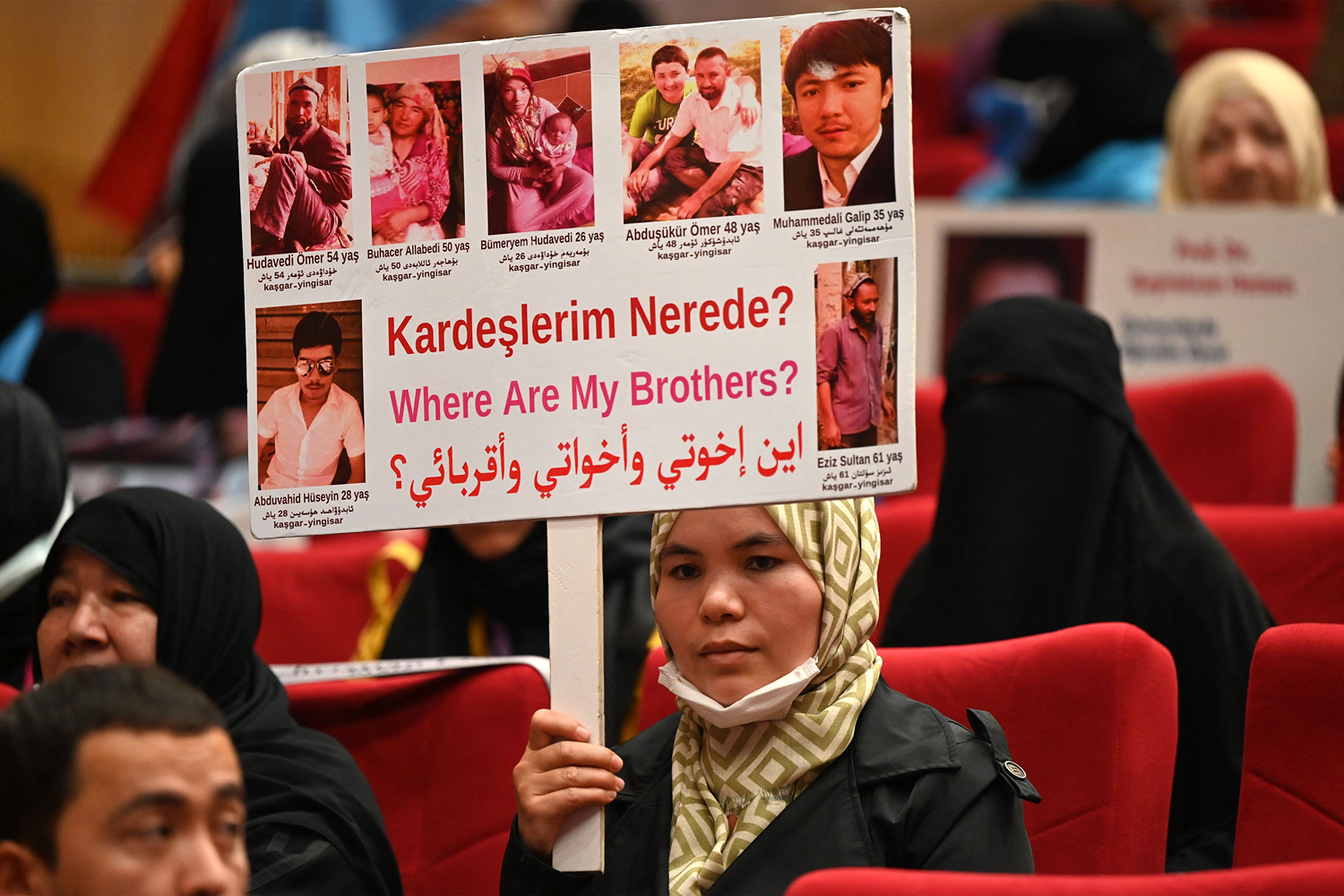
The growing transnational repression targeting Uyghur diaspora communities abroad is no longer a fringe issue in human rights reporting. According to data from Freedom House, 54 governments, or roughly a quarter of all states, have crossed borders to silence exiled and diaspora Uyghurs between 2014 and 2025, resulting in at least 1,375 direct, physical incidents in over 100 host countries.
Western democracies are now acknowledging this threat, with governments adopting formal definitions, forming interagency working groups, and establishing channels for victims to report incidents and seek support. In 2025, G-7 leaders issued a joint statement on the topic, and the European Parliament passed a resolution targeting transnational repression against human rights defenders.
However, the methods of repression are changing. A recent peer-reviewed study examined Beijing's campaign against Uyghur diaspora researchers and activists, revealing that the most significant tool of transnational repression employed by Beijing over the past year took an unexpected form: the visa. In 2013, political scientist Johannes Gerschewski argued that authoritarian regimes rely on three components for stability: repression, co-optation to secure loyalty, and legitimation to gain broad popular consent.
Our study suggests that the same principle applies across borders. Regimes that engage in transnational repression also practice co-optation by offering conditional benefits and legitimation through propaganda and narrative control. Beijing's recent approach to Uyghurs showcases its ability to innovate. Since 2023, China has quietly opened Xinjiang to visits by diaspora Uyghurs, though the policy has spread informally.
Initially, only a handful of desperate individuals traveled to Xinjiang, but the number has steadily increased. A Washington-based Uyghur activist noted that while Uyghur Americans still concealed their trips in 2024 due to fear of criticism from peers, the practice had become normalized by 2025. Even some who previously criticized Beijing have traveled to Xinjiang and quit activism upon returning.
The core of this policy is a restorative inducement, which Beijing first created by depriving Uyghurs of contact. Many, like Tohti, had to sever ties with their families in 2017. Upon their return, Uyghurs are eager to visit relatives, often for a final time. However, the price of reunion often becomes apparent at the airport, where they are interrogated by police and offered jobs, business funding, and family travel permits in exchange for becoming informants.
Those who hesitate are threatened with sending their parents to reeducation camps. Others are coerced into delivering propaganda statements about the supposed prosperity of Xinjiang. Despite these efforts, some are arrested and imprisoned, such as a Uyghur woman who joined four state-organized tours and was detained on a private visit, sentenced to six years in prison.
Within the Uyghur diaspora, Beijing's transnational co-optation strategy is proving more effective than years of overt threats. As more travelers visit Xinjiang, the regime continues to refine its tactics to maintain control over its diaspora.
Written by urgent.news from Foreign Policy's reporting — not their text. Machine-written — may contain errors; check the original before relying on it.