Carbon crossroads: Petrochemicals boom tests Indonesia’s climate goals
As the country walks a tightrope between growth and environmental impact, decarbonising its petrochemicals industry is a key challenge The post Carbon crossroads: Petrochemicals boom tests Indonesia’s climate goals appeared first on Dialogue Earth .
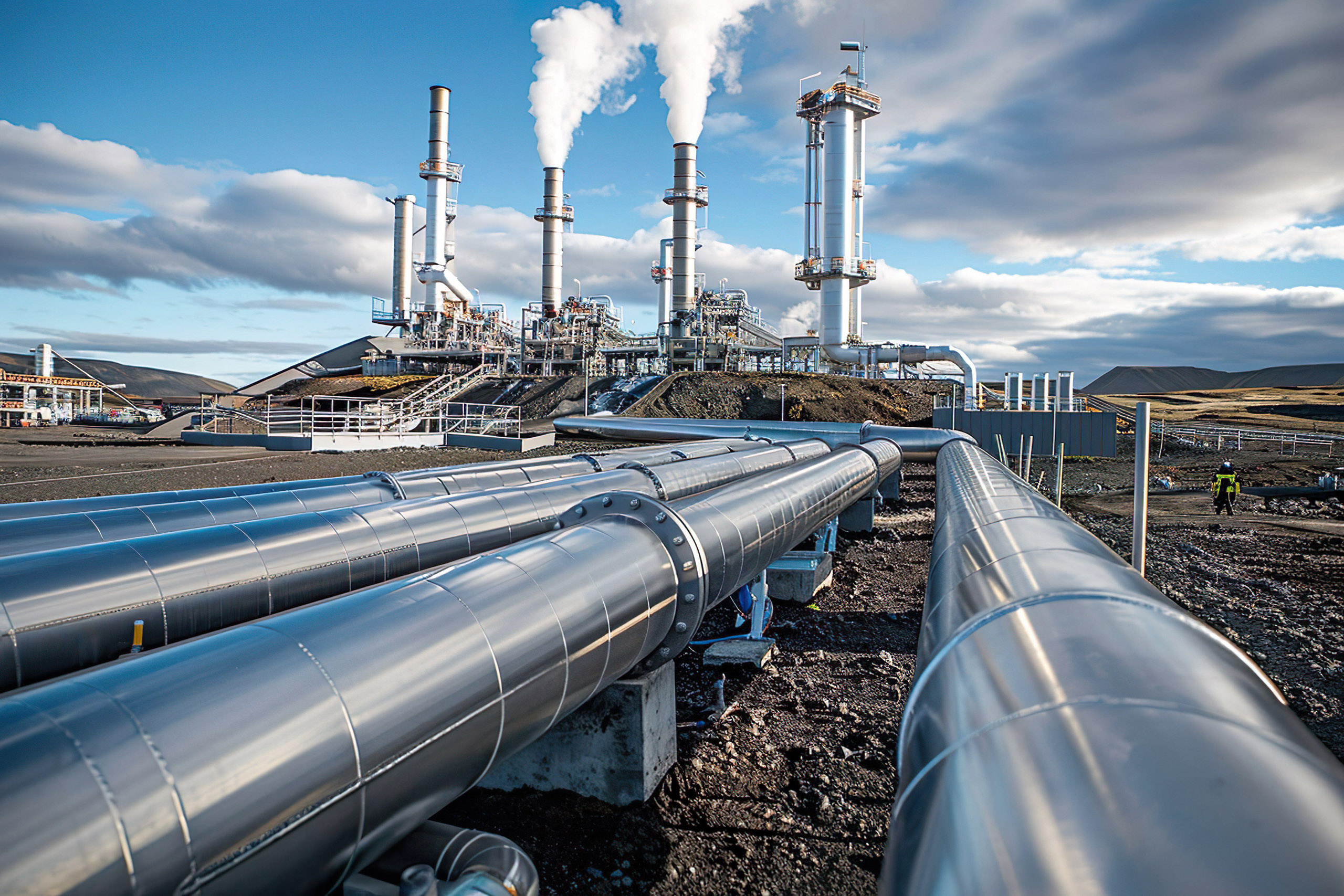
In July 2025, Indonesia signed a nearly USD 6 billion investment deal with a China-backed consortium to build a refinery and petrochemicals complex in North Kalimantan province on Borneo. Alexandra Arri Cahyani, head of Indonesia's Ministry of Industry's public relations bureau, stated that the project will produce over 7.2 million tonnes of products annually, including methanol and acetic acid used for plastics manufacturing.
The government anticipates the project will add USD 9 billion to GDP annually and reduce import reliance. Indonesia aims to increase the added value of downstream industries. The complex is located in the Kalimantan Industrial Park Indonesia, which also focuses on EV battery production and mineral processing, including aluminium. The park will be partly powered by hydropower from the Kayan and Mentarang rivers, according to the Center of Economic and Law Studies, but coal will also fuel the PT Taikun project.
This project is expected to expand Indonesia's petrochemical refining capacity by up to 10 million tonnes of crude oil per year, raising concerns about increased emissions and continued fossil fuel dependence. Decarbonising petrochemicals is challenging due to the high temperatures required in manufacturing processes and the lack of low-carbon alternatives.
The chemical subsector is classified as a "hard-to-abate" sector, according to Indonesia's Ministry of Industry. The industry ministry is drafting a new regulation on industrial decarbonisation, scheduled for release in late 2026. Decarbonisation strategies for the sector include using carbon capture, switching to low-carbon electricity, and reducing emissions along the petrochemicals value chain.
Written by urgent.news from Dialogue Earth's reporting — not their text. Machine-written — may contain errors; check the original before relying on it.