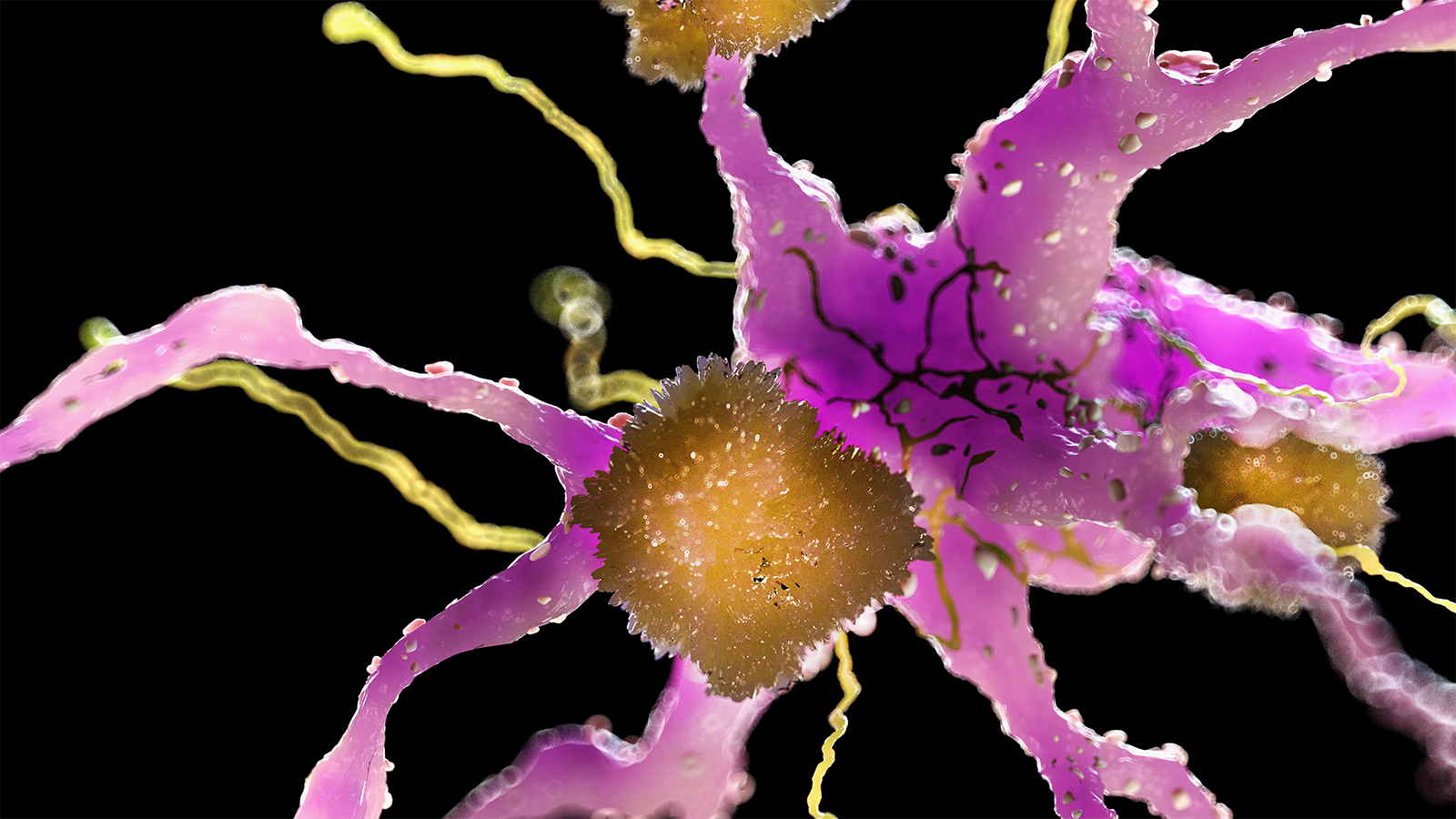
Cancer-Fighting Abilities of NK Immune Cells May Be Disrupted by Some Omega Fatty Acids
Omega polyunsaturated fatty acids are recognized for their myriads of health benefits, but a preclinical study has found that some omega fatty acids can restrain the cancer-killing capabilities of natural killer cells by acting through a receptor, LRP5. The post Cancer-Fighting Abilities of NK Immune Cells May Be Disrupted by Some Omega Fatty Acids appeared first on GEN - Genetic Engineering and…
Some polyunsaturated fatty acids (PUFAs), including omega-3 and omega-6, have been celebrated for their health benefits, yet their impact on cancer and immune cells like natural killer (NK) cells has been less understood. A Yale University study reveals that certain omega fatty acids may weaken the cancer-fighting abilities of NK cells through a receptor called LRP5.
The findings, published in Science Signaling, suggest that LRP5-dependent PUFA transport serves as an immune checkpoint for natural killer cells. First author Yi Luan and colleagues propose that the widespread promotion of PUFAs as dietary supplements warrants greater public awareness of their potential unintended effects. PUFAs, with their multiple double bonds, serve various functions in the body, including cell membrane stability and signaling.
However, their role in tumor biology is more nuanced, with some studies showing they can influence both tumor cells and anticancer immune cells. The researchers used a technique called LRP5 knockout to show that this reduced PUFA uptake by NK cells, but also boosted their cancer-killing capacity and slowed tumor growth in mice. Conversely, PUFA-free diets suppressed tumor growth in wild-type mice.
The study indicates that PUFAs hinder NK cells by suppressing the mTORC1 signaling pathway and glycolysis metabolism, which are crucial for NK cell cytotoxicity. By identifying LRP5 as an immune checkpoint that restrains NK cell activity through PUFA transport, the study opens up potential therapeutic avenues.
Written by urgent.news from GEN Biotechnology's reporting — not their text. Machine-written — may contain errors; check the original before relying on it.