Brazil's natural areas shrink, worsening El Nino impact
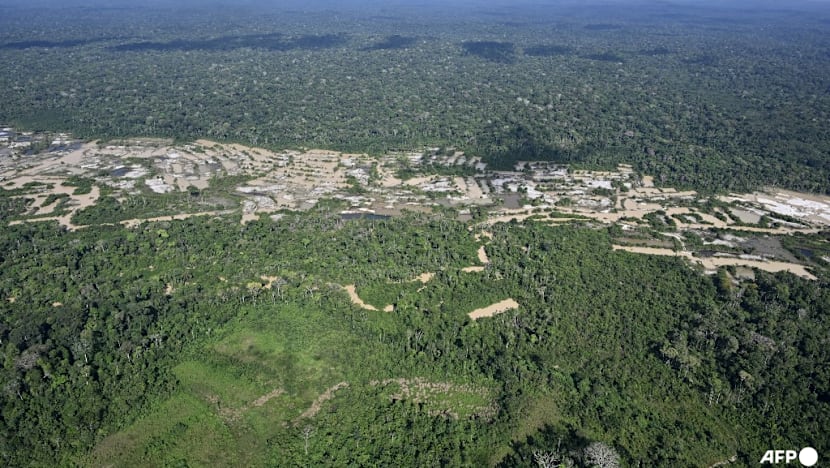
Brazil has witnessed a significant reduction in its native vegetation over the past four decades, with native forests shrinking by more than twice the size of France, according to a study released on August 12. This loss of vegetation has exacerbated the impact of the anticipated El Nino weather pattern, which is expected to intensify towards the end of the year.
The environmental monitoring network MapBiomas reported that native vegetation, which once covered 79% of Brazil's territory four decades ago, now comprises only 65%.
The most substantial losses were observed in the Amazon rainforest and the Cerrado savanna. Much of the affected land has been converted to agriculture or livestock farming, which now occupies 32% of Brazil's territory, up from 18% in 1985. Areas where native vegetation has been replaced by agriculture are more vulnerable to weather extremes during El Nino events, particularly those as severe as the one forecast for this year.
Tasso Azevedo, the general coordinator of MapBiomas, noted that deforested areas in the Amazon experienced a more significant drop in rainfall compared to forested regions during the 2023-2024 El Nino.
Conversely, agricultural areas in the southern grasslands received excess rainfall compared to regions of native vegetation. In the southern state of Rio Grande do Sul, historic floods in 2024 claimed around 200 lives. While the study did not delve into the reasons behind the heightened impact of El Nino in agricultural areas, Azevedo suggested that removing forest cover in the Amazon may reduce evapotranspiration and local air humidity, leading to higher temperatures and reduced rainfall. El Nino intensifies the effects of these changes.
Brazil's government has warned of a "very strong El Nino" this year, with Pacific Ocean sea-surface temperatures forecast to exceed average temperatures by two degrees. Such warming can have significant effects on weather patterns worldwide. The Brazilian Confederation of Agriculture and Livestock (CNA) has also cautioned that a "super El Nino" could adversely affect crops such as coffee, soy, and sugar.
Written by urgent.news from Channel News Asia's reporting — not their text. Machine-written — may contain errors; check the original before relying on it.
Also reported by 1 other outlet
- Brazil’s natural areas shrink, worsening El Nino impact freemalaysiatoday.com