Anthropic's text watermarks signal new front in AI detection
Anthropic's new models will add machine-readable "watermarks" to Claude-generated text and files to comply with new European Union transparency regulations. Why it matters: Comms teams using Claude to simply clean up, translate, or format human-drafted press releases could stamp those documents with an AI signature. How it works: For models launched in the EU after Aug. 2, Anthropic is marking…
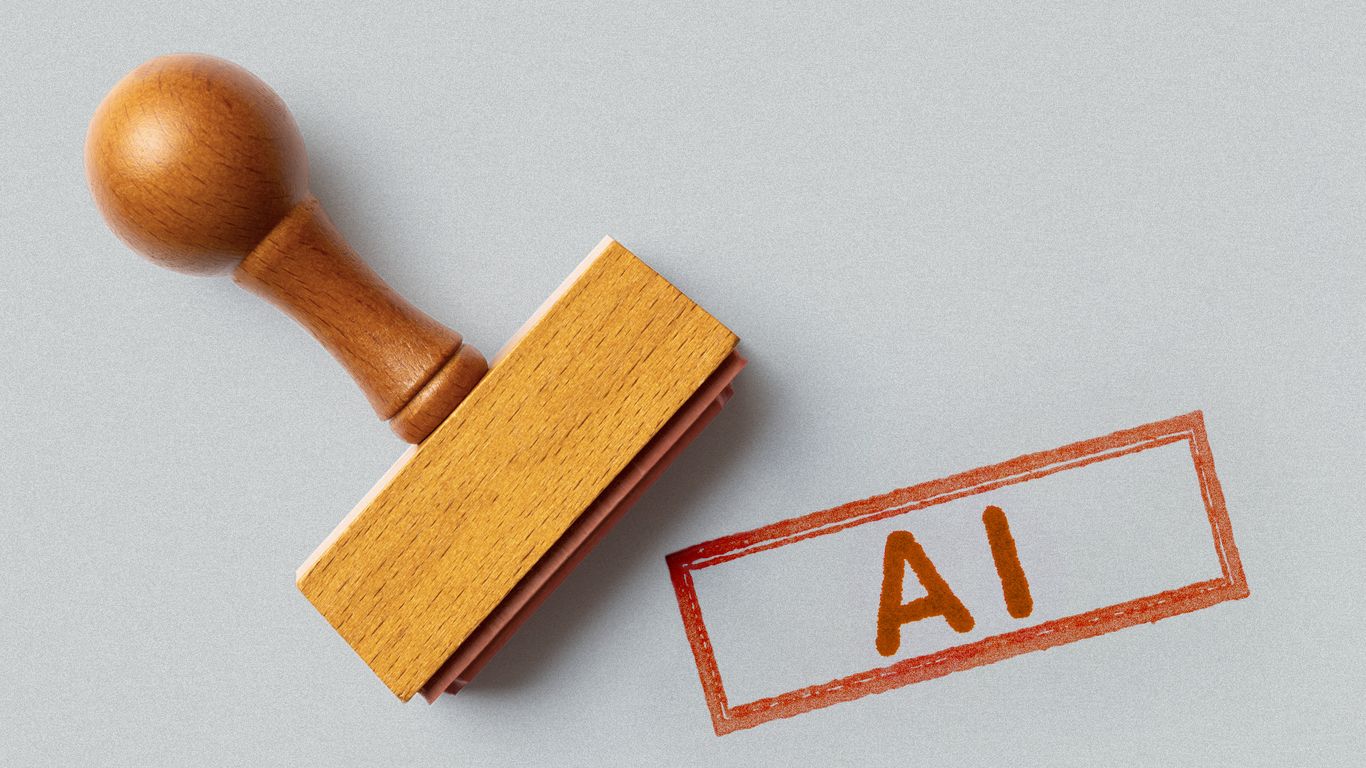
Anthropic, a leading artificial intelligence company, is set to introduce machine-readable watermarks in their Claude-generated text and files in response to new European Union transparency regulations. This development is significant as it could lead to AI signatures being added to documents created using Claude, including press releases, translations, and formatting changes.
The watermarking process involves generating patterns within the text that are imperceptible to humans and attaching digital signatures to generated media files, irrespective of the location where Claude is offered.
However, Anthropic has acknowledged certain limitations to its detection technology. For instance, if Claude is used merely to proofread, format, or translate human-written content, the AI-assisted detection may still flag the content as AI-generated. Additionally, if the text undergoes extensive rewriting, is mixed with other content, or is too short, the watermarks might become undetectable.
Anthropic's initiative aligns with the mandates of Article 50 of the EU AI Act, which requires the disclosure of AI-generated or manipulated content. Comparable measures are also being taken by OpenAI, although their current efforts largely focus on watermarking images and audio rather than text. These regulatory-driven steps are part of a broader effort to enable audiences to identify AI-generated content more accurately.
Recent developments in AI identification are noteworthy. Platforms like LinkedIn, Substack, and Snapchat are testing various tools to detect AI-generated text, audio, and video. LinkedIn's 'seems like AI slop' button and Substack's embedding of an AI detection suite are examples of such efforts. Snapchat has even ceased promoting AI-generated videos in its main feed.
AI providers are given until December 2 to make their legacy models compliant with EU regulations. This timeline will provide a clearer perspective on how the industry's leading companies intend to mark AI-generated content moving forward.
Written by urgent.news from Axios's reporting — not their text. Machine-written — may contain errors; check the original before relying on it.