Air turbulence: That sudden stomach-drop feeling; why the body reacts before the brain
During flights, turbulence can create an unexpected sensation in the stomach as the body's balance system reacts instinctively. This quick reaction happens before the brain catches up with the airplane's movement, potentially leading to motion sickness and heightened stress. To ensure safety, it's essential to keep seat belts fastened and adhere to the crew's guidance. Gaining insight into this…
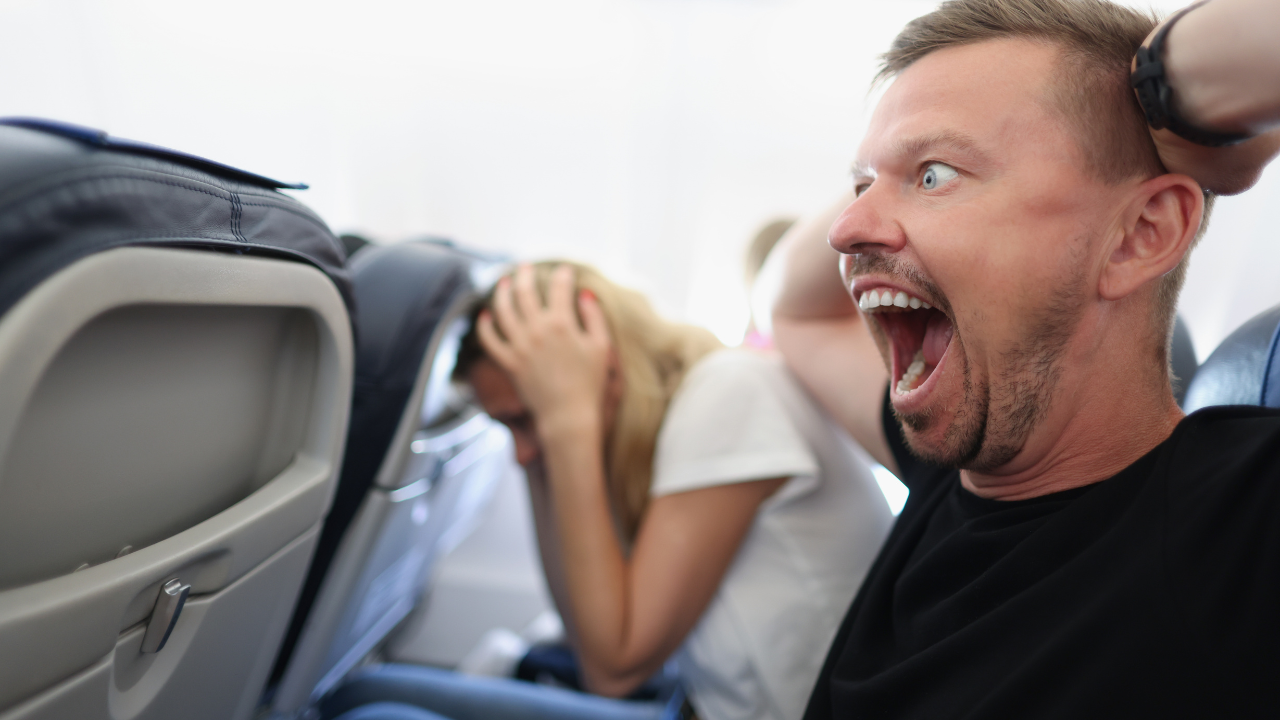
Air turbulence is a sudden sensation that can make passengers feel as though their stomachs have dropped. This feeling is not necessarily an indication that the aircraft is falling, but rather a response from the body to changes in air movement around the plane. The human balance system detects these changes and sends signals to the brain, which can take a moment to process.
During turbulence, the body experiences rapid and unexpected movements, leading to the stomach drop sensation almost immediately. The inner ear, which contains a specialized balance system called the vestibular system, plays a crucial role in this process by continuously sending information about movement and position to the brain.
Simultaneously, muscles and joints relay details about the body's positioning. When these signals diverge, the result is a swift and startling sensation.
The body's reaction to turbulence is not limited to the stomach; the organs and tissues inside the abdomen also experience alterations in acceleration and movement, contributing to the overall unsettling feeling. For some passengers, the physical effects of turbulence fade once the aircraft stabilizes. However, for others, the experience may trigger symptoms similar to motion sickness, such as dizziness, nausea, and sweating, especially when focusing on something stationary like a book or phone while the inner ear senses movement.
Additionally, the nervous system can react to turbulence as a sudden stressor, leading to increased heart rate, muscle tension, and altered breathing. This can create an unpleasant loop where the brain perceives the physical changes as a threat, intensifying the discomfort.
While turbulence itself is generally harmless, it can cause real injuries if passengers are not properly secured. Therefore, it is essential to remain seated and fastened during such events. Once the aircraft becomes steady, the body typically requires only a brief period to settle. To aid this process, passengers should practice slow, controlled breathing and focus on a fixed point to help regulate breathing and muscle tension.
Avoiding phones or books and looking at a stationary object is more beneficial than concentrating on a moving screen. Staying hydrated is also recommended, particularly if nausea or vomiting occurs. Additionally, a heavy meal before or during a flight may exacerbate an unsettled stomach. In cases of persistent or severe dizziness, repeated vomiting, fainting, severe headache, chest pain, breathing difficulties, or symptoms that do not subside, medical attention should be sought promptly.
Written by urgent.news from Times of India's reporting — not their text. Machine-written — may contain errors; check the original before relying on it.