AI Living rewrites the future of Malaysian homes
KUALA LUMPUR: Malaysia’s property industry is moving beyond conventional smart homes as developers turn to artificial intelligence (AI) to create residences that can anticipate residents’ needs and adapt to changing lifestyles.
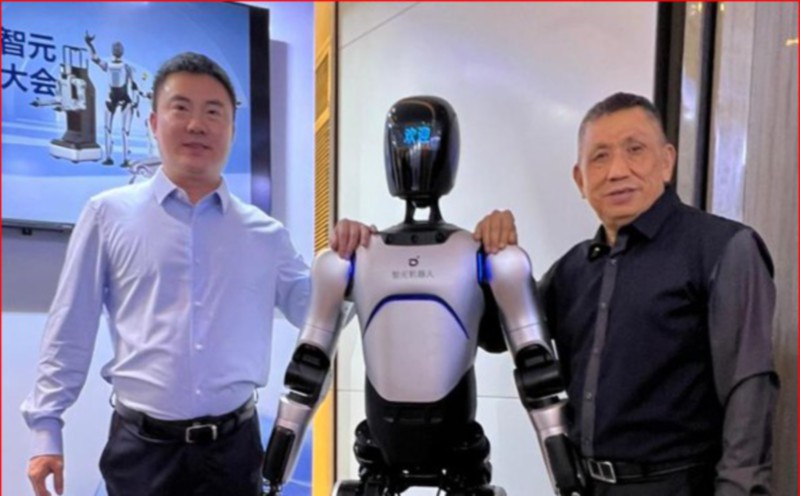
Malaysia's property industry is embracing artificial intelligence (AI) to create homes that anticipate residents' needs and adapt to changing lifestyles, moving beyond traditional smart homes. This shift represents the next stage in the evolution of residential technology, according to Prem Kumar, managing director of Firdaus Associates.
In the past, advancements in housing have primarily focused on location, amenities, and connected devices for remote control of lighting, security, and other functions. However, Prem believes the future lies in homes that can understand the people residing within them. This vision is embodied in AI Living @ i-City, a development that integrates AI, robotics, wellness technologies, and intelligent building systems to create residences capable of adapting as residents progress through different life stages.
By distinguishing between control and assistance, AI Living aims to move beyond managing separate applications and devices, instead offering a central intelligence that learns preferences and routines to coordinate various technologies. For younger couples, this might involve automating routine tasks like adjusting lighting and temperature, presenting daily schedules, coordinating deliveries, and managing energy consumption.
As families expand, the technology could transition towards security and household coordination, such as monitoring access, managing temporary entry, and flagging unusual activity. For the elderly, AI Living could prioritize independence and wellness, using connected devices to establish normal daily patterns, flag deviations, and provide reminders for medication or appointments.
Older individuals could also benefit from more capable domestic robots handling repetitive tasks. Prem emphasizes that the concept of AI Living extends beyond individual apartments, aiming to connect homes with wider development infrastructure, including access and security systems, lifts, deliveries, and shared facilities. Crucially, resident consent is paramount, allowing users to determine which capabilities are activated, ensuring the AI operates within predefined boundaries.
For architect Tony Mak, the focus is on how AI can enhance everyday living rather than simply packing more technology into a home.
Written by urgent.news from New Straits Times's reporting — not their text. Machine-written — may contain errors; check the original before relying on it.