AI data center developers begin suing local jurisdictions behind bans and moratoriums — claims range from officials exceeding authority to violations of due process and equal protection laws
Some data center developers are suing local governments for passing temporary bans and moratorium, saying that they such moves violated their rights to due process and equal protection. This move has gotten one county to reverse their decision, while others are still fighting the cases in court.
Several AI data center developers have initiated legal actions against local governments that have either rejected their proposals or passed laws prohibiting or placing a moratorium on such developments, according to Bloomberg Law. Some of these lawsuits claim that local officials exceeded their authority in banning data centers, while others argue that the moratoriums violated the developers' rights to due process and equal protection.
John Crossley, a lawyer at K&L Gates LLP, pointed out that if authorities start saying "no" to data centers, particularly where they are needed, it could pose a significant problem.
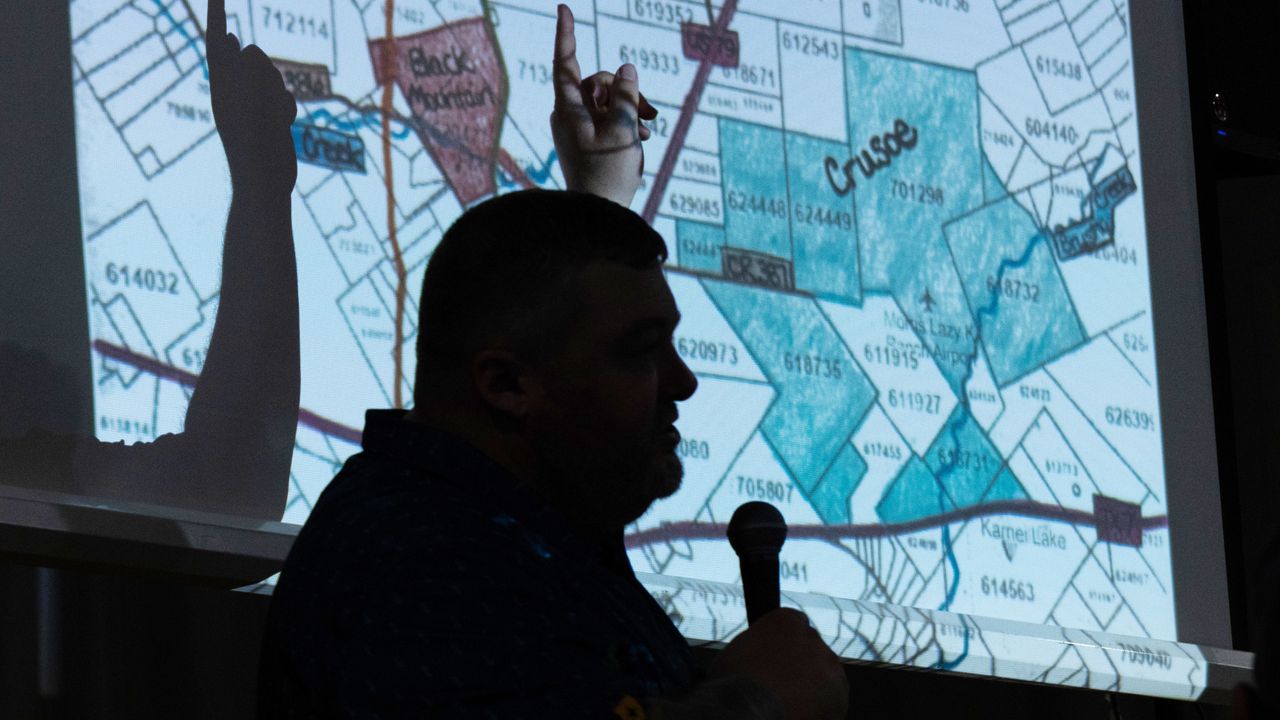
An example of this lawsuit is in Hill County, Texas, which was the first in the state to impose a one-year ban on data centers. The developer filed a lawsuit, claiming the ban was not within the county's authority. As a result, the law was rescinded a week later, and the case was subsequently dismissed.
Texas Governor Greg Abbott recently imposed a moratorium on data center approvals, but it remains unclear whether this project will be affected or if other affected developers will pursue similar legal actions against the state government.
Similarly, a cryptocurrency mining operation sued Hawkins, Tennessee for banning data centers, alleging that their right to due process and equal protection was violated. Hawkins County authorities countered that data centers "sap valuable natural resources while spewing both environmental and noise pollution."
Despite the benefits that AI data centers can bring to communities, such as tax revenue and construction jobs, many developers argue that these projects place an undue burden on nearby residents. Virginia now requires data centers to pay for all dedicated upstream electrical infrastructure they need, but this came after electricity prices in the PJM Interconnection region had already risen by up to 76%.
Other issues include water contamination, air pollution, and excessive noise from AI data centers, with residents often unaware of the projects until construction began. In some cases, developers have offered concessions to mitigate these concerns, but have been met with resistance.
These legal battles are not isolated incidents and have occurred across the country, making it increasingly difficult for data center projects to gain approval from local communities. The negative publicity surrounding these developments has further complicated the approval process, leading to delays and opposition from residents.
Written by urgent.news from Tom's Hardware's reporting — not their text. Machine-written — may contain errors; check the original before relying on it.