After an earthquake, how long can trapped people survive?
NEW YORK (AP) — For those trapped in rubble after an earthquake, survival depends on many factors, including weather and access to water and air. If their injuries aren’t too severe, victims…
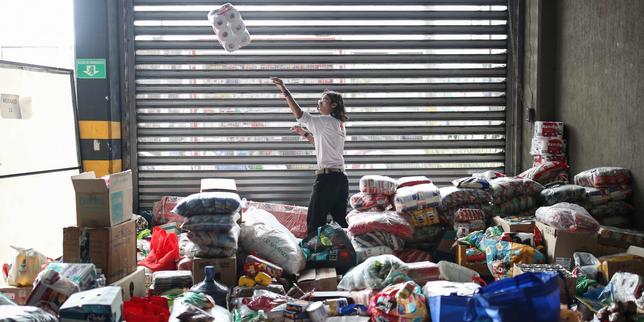
An earthquake struck Pereira, Colombia, on August 11, 2026, leaving many people trapped beneath the rubble. Survival in such situations depends on several factors, including the victim's injuries, the weather conditions, and access to water and air. If their injuries are not severe, victims can survive for up to a week or more, provided the weather remains neither too hot nor too cold, according to experts.
Rescue teams began their urgent search for survivors just two days after the powerful earthquake. The likelihood of surviving decreases with each passing day after the disaster, as most victims are severely injured or buried under debris. Notably, in the aftermath of the 2011 earthquake and tsunami in Japan, a teenager and an 80-year-old grandmother were rescued after being trapped for nine days in their collapsed home.
Similarly, in Haiti in 2025, a 16-year-old girl was pulled out of the rubble in Port-au-Prince after being trapped for 15 days.
Water and air are of utmost importance as the days pass. Trapped victims are more likely to survive if they find themselves in a debris-free zone that minimizes major injuries while awaiting rescue, such as being under a sturdy desk. This area is referred to as a survivable void space by geophysicist Victor Tsai from Brown University.
However, the presence of fire, smoke, or hazardous chemicals resulting from the building collapse can significantly reduce a person's chances of survival. Emergency response expert Dr. Joseph Barbera from George Washington University emphasizes that having access to air to breathe and water to drink becomes increasingly crucial as time goes by.
Written by urgent.news from Associated Press's reporting — not their text. Machine-written — may contain errors; check the original before relying on it.
Also reported by 2 other outlets
- After an earthquake, how long can trapped people survive? koreatimes.co.kr
- After an earthquake, how long can trapped people survive? hindustantimes.com