Why the killing of 130 people was treated as an insurance case
The story of the Zong and its horrific voyage to Jamaica becomes even more unbelievable once the crew return to British shores.
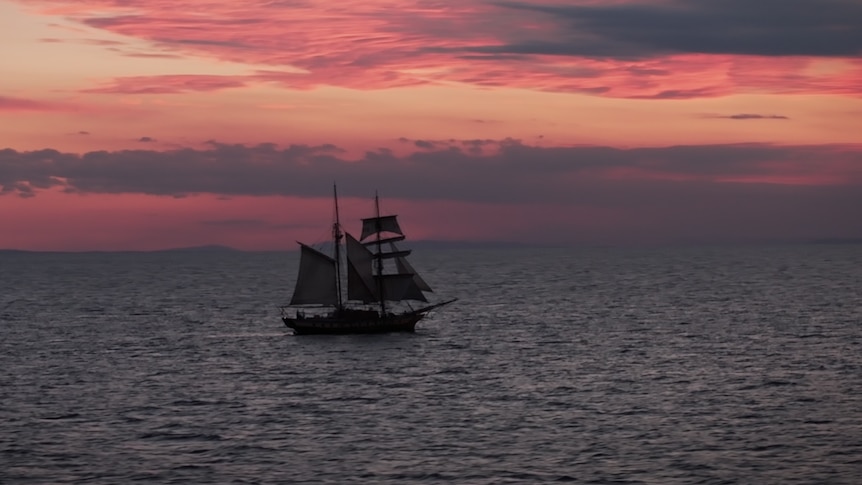
The Zong slave ship, a British-owned vessel, embarked on a journey from the Gold Coast of Africa to Jamaica in August 1781, carrying 442 enslaved Africans. The Gregson syndicate, a group of Liverpool merchants and politicians, had insured the cargo for 30 pounds per person. However, the ship was carrying far more than its capacity, with 442 Africans aboard, despite being designed to hold only 350. Captain Luke Collingwood, who died two years before the trial, presided over a crew that was considerably smaller.
As the ship made its way to Jamaica, the Africans contracted illnesses such as dysentery, and water supplies reportedly dwindled. By late November, around 70 people had reportedly died. In an attempt to resolve the water shortage, the crew, allegedly under the influence of the Gregson syndicate, decided to push people overboard. First, 54 women and children were thrown into the sea, followed by 42 men on December 1. Despite the noise created by the resistance, the killings continued for several days.
A further 36 men were reportedly thrown overboard on the ship's return journey to England, leaving only 208 Africans alive. The ship's captain, Luke Collingwood, was believed to have died of illness shortly after the Zong's arrival. The Gregson syndicate had taken out insurance on the cargo for loss en route, a common safeguard at the time. The Africans were reportedly valued at 30 pounds each.
When news of the deaths reached England, the Gregson syndicate took their claim to court, seeking payment for the loss of the enslaved Africans. The insurance company refused to pay without the logbook from the journey, leading to a legal case in 1783. The Gregson syndicate argued that the decision to kill the enslaved Africans was necessary for their survival, as there wasn't enough water on the ship. The defense argued that the only reason the killings had occurred was to collect on the insurance.
However, the only two available witnesses claimed that Captain Collingwood, who had died, had made the decision to throw the enslaved people overboard. The jury ultimately sided with the Gregson syndicate, finding the act of throwing over 130 people to their deaths not only legal but necessary. This decision was met with outrage, with abolitionist Olaudah Equiano speaking out against the case, arguing that it should be dealt with as a form of murder.
Written by urgent.news from ABC News AU's reporting — not their text. Machine-written — may contain errors; check the original before relying on it.