Why Scaling AI Compute Performance Requires a New Power Architecture
Every new generation of accelerated computing demands more from the infrastructure underneath it — more compute performance, higher rack density and more efficient, scalable power distribution. The bottleneck isn’t just wattage. It’s how power gets from the grid to the GPU. In traditional power delivery, electricity travels from the grid as an alternating current (AC) […]
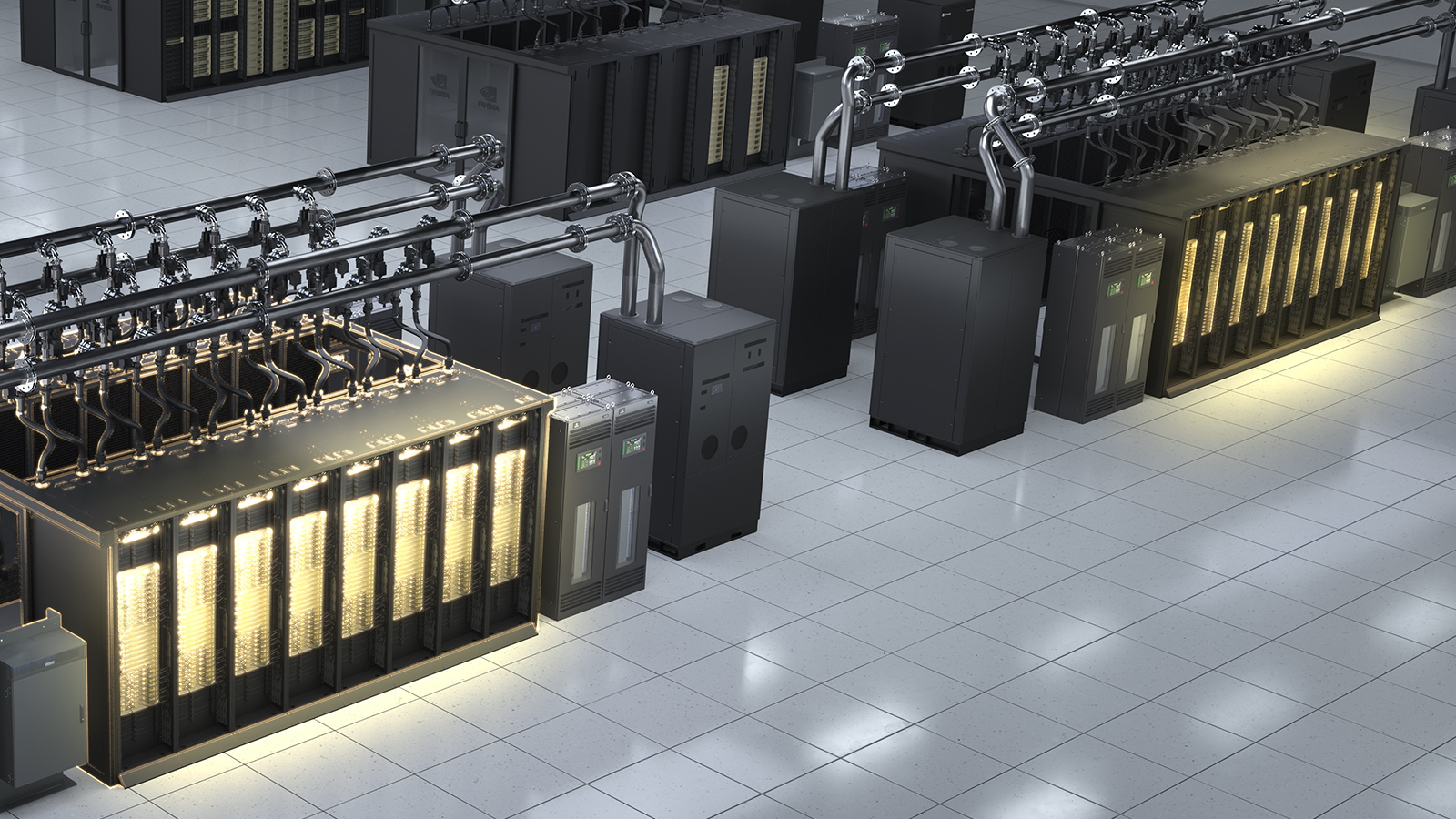
The rapid growth of AI compute demands increased performance, higher rack density, and efficient power distribution. Conventional power delivery faces challenges as it converts electricity multiple times, leading to inefficiencies and complexity as racks become denser. The solution lies in 800 VDC power distribution, which simplifies the power path by delivering it directly to accelerators, allowing more power to reach the compute process and reducing overhead.
NVIDIA, Google, and Microsoft have collaborated through the Open Compute Project (OCP) to develop the 800 VDC architecture, with reference designs published in 2026. Over 80 manufacturers are already building products based on this specification. Existing AI factories can transition to 800 VDC without extensive changes to their electrical systems by using the NVIDIA MGX-compatible power rack, which operates alongside existing AC infrastructure.
This hybrid approach preserves investments in land, power rights, and building infrastructure while increasing compute density. NVIDIA's roadmap outlines three stages of growth for 800 VDC: the power rack for near-term, hybrid-compatible deployment; the row power center for centralized power distribution across multiple rack rows; and the DC power block for facility-scale power conversion, enabling massive-scale AI infrastructure.
As an open standard, 800 VDC facilitates interoperability among power hardware from various vendors, fostering an expanding supply chain. Wood Mackenzie forecasts $9 trillion in global AI and data infrastructure investment by 2040, with facilities that adopt 800 VDC architecture being best positioned to accommodate this investment.
Written by urgent.news from NVIDIA Blog's reporting — not their text. Machine-written — may contain errors; check the original before relying on it.