What the US could learn from Japan's incentive for responsible antibiotic use
The Japanese government incentivizes doctors to avoid prescribing antibiotics for certain ailments, but would the same approach work in the U.S.?
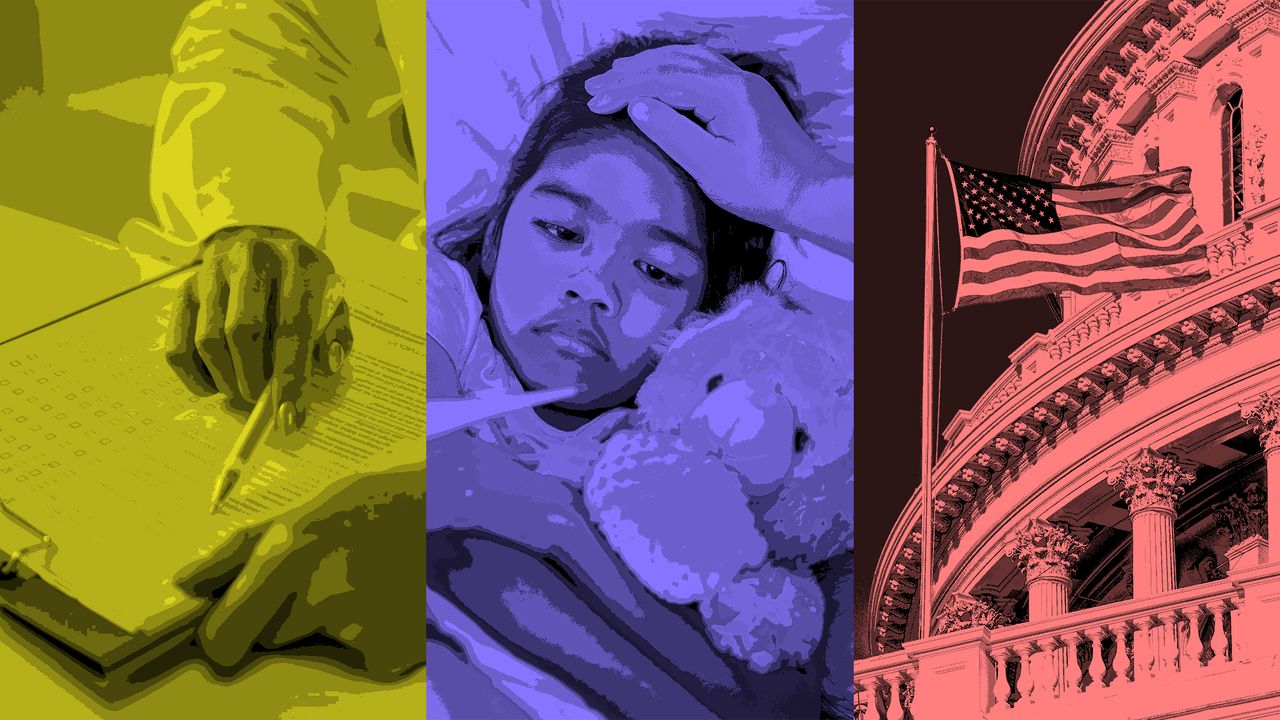
A silent pandemic, driven largely by antibiotic misuse, is threatening global health. Japan has implemented a successful program aimed at curbing this resistance, offering small incentives to clinics to reduce unnecessary prescribing. The program targets pediatricians and ear, nose, and throat (ENT) doctors who withhold antibiotics in cases when they are likely not needed, providing tips of 800 yen (around $5) to help offset costs.
While both the U.S. and Japan face similar pressures in pediatric outpatient clinics, such as diagnostic uncertainty and caregiver requests for unnecessary antibiotics, the U.S. healthcare system presents unique challenges. Japan's national insurance system and relatively high trust in government make it easier to implement nationwide incentives, whereas the U.S. has a complex patchwork of private, subsidized, and public insurance, leading to barriers in accessing care and frustration among patients.
U.S. doctors' responses to a similar incentive varied, with some open to the idea and others expressing skepticism about financial incentives dictating clinical practice.
Written by urgent.news from Live Science's reporting — not their text. Machine-written — may contain errors; check the original before relying on it.