What conservation looks like from the outside: A conversation with Adam Falk after his first year as CEO of WCS
Soon after becoming president and chief executive of the Wildlife Conservation Society, Adam Falk visited the giraffe keeper at the Bronx Zoo. What struck Falk was the source of the keeper’s commitment. If a giraffe needed help in the middle of the night, he said, the keeper would come in because of his bond with […]
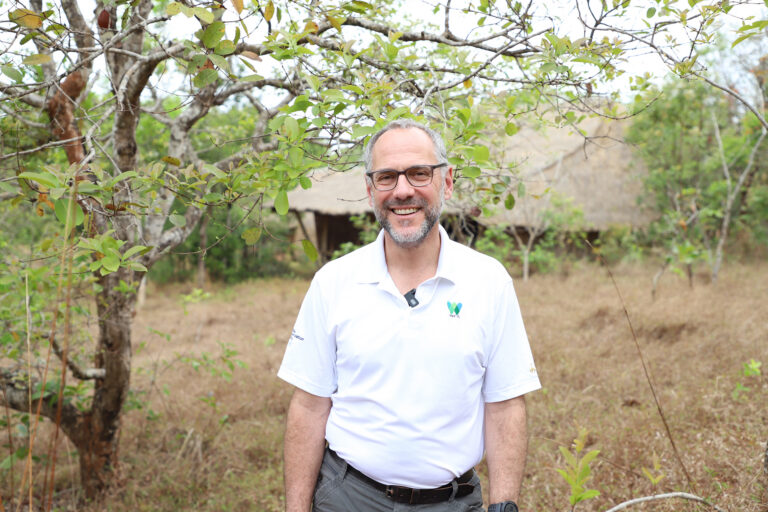
Adam Falk, newly appointed CEO of the Wildlife Conservation Society (WCS), offered insights into his first year in the role during an interview. His perspective, as someone new to the conservation field, provided a unique vantage point on the challenges and dynamics of the organization.
In July 2025, Falk took over as the president and chief executive of WCS, a 120-year-old institution that operates zoos and aquariums in New York and runs conservation programs in over 50 countries. What set him apart was his lack of professional experience in zoology or conservation, a departure from the norm for those leading such institutions.
Falk's first observation upon stepping into his role was the crucial role people play in conservation efforts, alongside the animals themselves. While public campaigns often highlight wildlife, particularly well-known species like giraffes, the day-to-day operations of conservation work rely heavily on the dedication and relationships forged by people working in the field.
One such example Falk highlighted was the commitment of a giraffe keeper at the Bronx Zoo. Despite working night shifts, this keeper would come in to help a giraffe in need, driven by a personal bond with the animal. Falk recognized a similar scenario from his own background, having previously served as a professor, president of a university, and president of the Alfred P. Sloan Foundation.
These experiences taught him that academia often requires leaders to support individual research while aligning it with broader institutional goals.
Falk's challenge at WCS was to balance the individual motivations of its staff with the collective objectives of the organization. This dual focus proved to be a significant aspect of leading an institution that has deep roots in conservation history but operates in a rapidly evolving global landscape.
Written by urgent.news from Mongabay's reporting — not their text. Machine-written — may contain errors; check the original before relying on it.