Were you breastfed as an infant?
As we mark World Breastfeeding Week (1st -7th August), here is a question that takes many of us back to the very beginning of life: Were you breastfed as a baby? You may need to ask your mother or another older family member. Perhaps you already know the answer—or perhaps no one remembers. Either way, […]
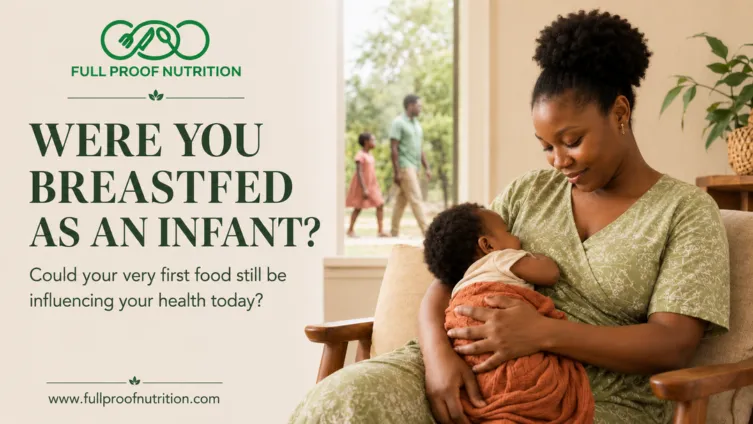
World Breastfeeding Week, celebrated from August 1st to 7th, prompts a reflective question: Were you breastfed as an infant? This query carries weight, as research increasingly focuses on how nutrition during early life can impact health decades later. Breast milk's significance extends beyond nourishment. It delivers essential energy, protein, fats, vitamins, and minerals necessary for a baby's growth and development.
Beyond these nutrients, breast milk also harbors antibodies, beneficial bacteria, hormones, enzymes, and other biologically active substances that bolster a baby's immune system and protect against infections. As infants mature, breast milk adapts to their changing needs, adjusting composition and even varying within a single feeding.
The advantages of breastfeeding extend beyond infancy and into adulthood. A 2026 narrative review examining the relationship between breastfeeding and adult health found that being breastfed was linked to modest health benefits, including lower body weight, improved blood pressure, healthier cholesterol levels, better blood sugar control, positive cardiovascular outcomes, and possible advantages for cognitive development.
Studies suggest that adults who were breastfed might have a slightly reduced risk of obesity, diabetes, and cardiovascular disease. Other research indicates modestly healthier blood pressure and cholesterol levels, as well as potential cognitive benefits. The mechanisms behind these potential adult health benefits are multifaceted.
Early metabolic programming may occur when nutrition during early life influences the body's regulation of appetite, fat storage, glucose utilization, and insulin response. These adaptations could have enduring effects on the risk of obesity, diabetes, and cardiovascular disease. The development of the gut microbiome is another key factor.
Breast milk contains beneficial bacteria and specialized carbohydrates that foster the growth of specific gut organisms, which contribute to efficient digestion, robust immunity, and balanced metabolism. Breastfeeding also supports brain development, supplying crucial fats and nutrients for the rapidly developing brain. Additionally, breastfeeding fosters close physical contact, responsive feeding, and interaction between mother and baby, which can further bolster development.
Even if you were not breastfed—or if you are unsure—you cannot consider your health permanently compromised. Your current choices and actions remain powerful in shaping your health trajectory. Genetics, childhood experiences, education, income, healthcare access, infections, stress, relationships, physical activity, and dietary habits all contribute to your overall health throughout life.
While breastfeeding provides a valuable start, it is not the sole determinant of a healthier future. Emphasizing the importance of breastfeeding, the World Health Organization recommends exclusive breastfeeding for the first six months, followed by complementary foods alongside breastfeeding for up to two years or beyond. Breastfeeding is a natural process, but it may not always be straightforward.
Mothers may face challenges related to positioning, attachment, milk supply, pain, fatigue, or work-life balance. Seeking timely, skilled support from midwives, lactation professionals, dietitians, or other trained healthcare providers is crucial. The journey of breastfeeding does not have to be navigated alone. Support from partners, family members, and a strong network of healthcare professionals can significantly enhance the breastfeeding experience.
Ultimately, each breastfeed and every period of breastfeeding is valuable. By nurturing your baby through breastfeeding, you are not only providing immediate nourishment but also potentially laying the groundwork for a healthier adult life for your child.
Written by urgent.news from Adom Online's reporting — not their text. Machine-written — may contain errors; check the original before relying on it.