US-Iran standoff sends oil up, dents stocks
With Washington and Tehran setting out complex demands for a peace deal, there is little prospect of the Strait of Hormuz reopening anytime soon.
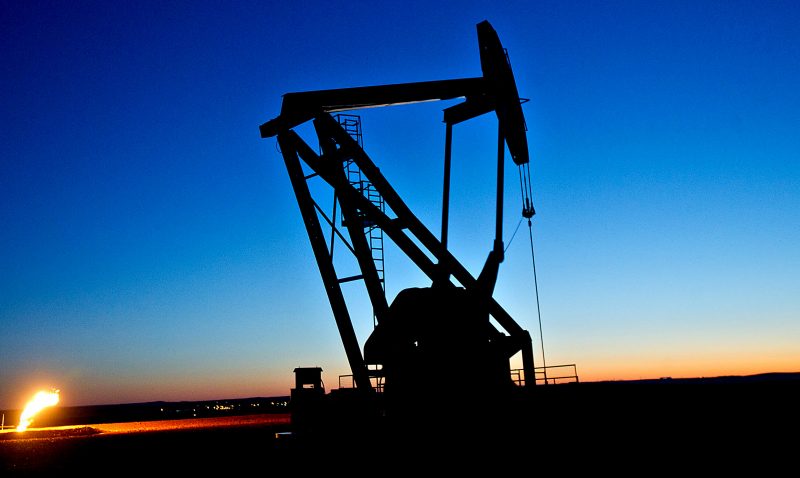
Oil prices surged as talks between the United States and Iran over a peace deal hit a dead end and the Strait of Hormuz remained closed. US President Donald Trump demanded Iran pay compensation for losses incurred during past conflicts, potentially hampering negotiations. Brent crude futures rose 5% in two days and hit $88 a barrel, their highest level since July 31 and nearly 25% above early July lows.
Analysts predict an "attrition war" where one party may blink first, with oil prices likely hovering between $75 and $95 while waiting for the outcome. The US July consumer price report may influence expectations for the Federal Reserve's September meeting, with a 50/50 chance of a rate hike if inflation remains hot. US Treasury yields climbed alongside a slight decline in global bond markets.
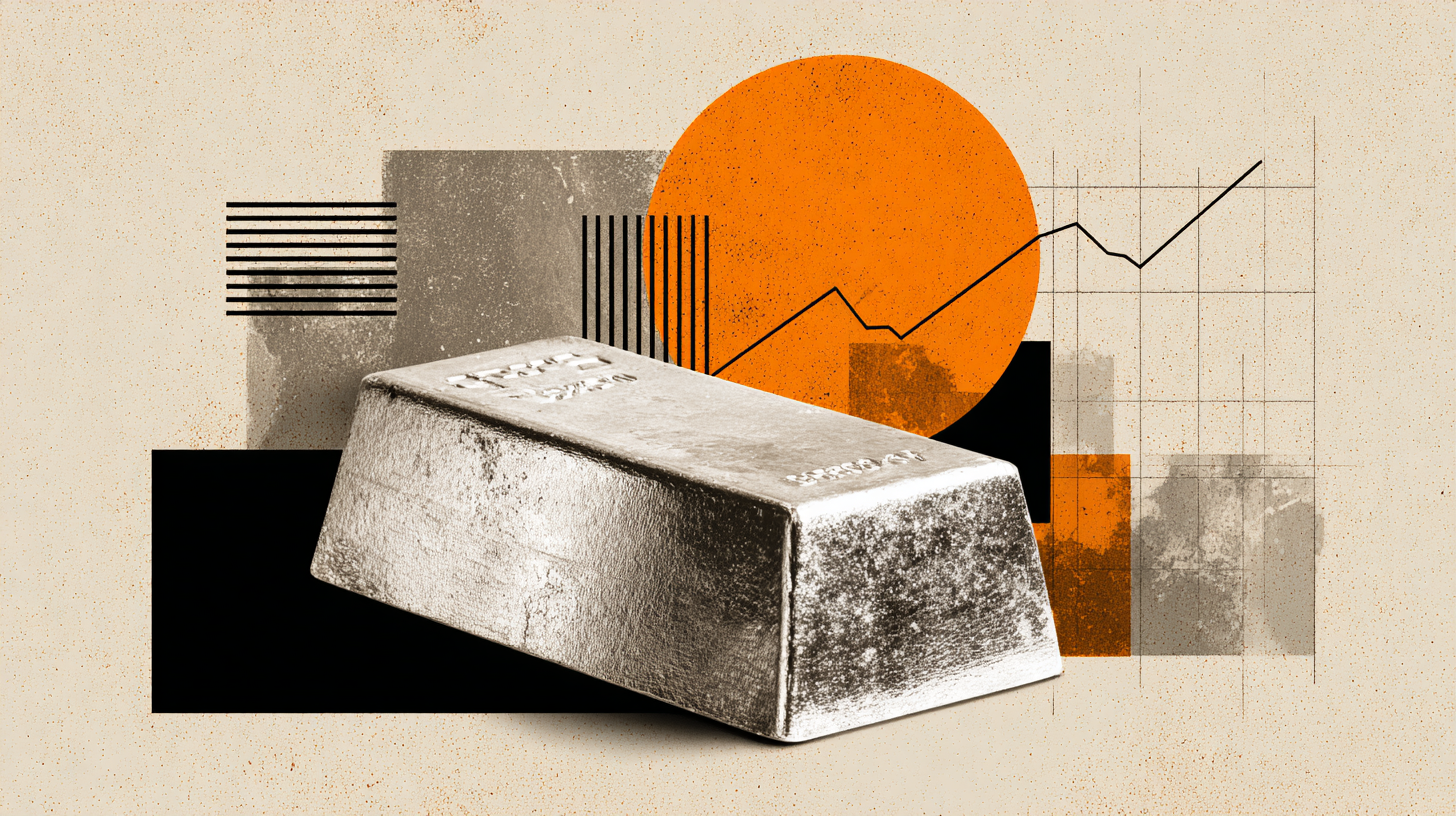
In other markets, Nvidia partnered with six major financial institutions to provide $500 billion in funding for AI infrastructure, though details were scarce. Intel raised $20 billion through a stock offering, and the yen weakened beyond 159, potentially signaling intervention. The Australian dollar edged up after the RBA maintained its cash rate but hinted at future hikes to curb inflation. Gold dipped slightly, down 0.6% to $4,365 an ounce, following its 8% monthly gain.
Written by urgent.news from Free Malaysia Today's reporting — not their text. Machine-written — may contain errors; check the original before relying on it.
Also reported by 3 other outlets
- Indian rupee retreats to near two-week low as US-Iran standoff pushes oil higher brecorder.com
- Gold pauses near two-month highs as US-Iran standoff drives Oil prices higher fxstreet.com
- US-Iran standoff sends oil up, dents stocks freemalaysiatoday.com