US AI boom drives surge in gas-powered data centers
AgenciesAs US tech companies race to build the data centers fueling the AI boom, they are increasingly putting up their own power plants—off the grid and running on gas—to get onli...
The rapid growth of artificial intelligence is prompting US technology companies to construct their own power plants, often located off the grid and powered by fossil fuels, to accelerate their online operations. According to a Cleanview analysis, around 60 data centers are slated for construction over the next few years, collectively generating nearly 100 gigawatts of on-site power by the early 2030s—the equivalent capacity of Mexico.
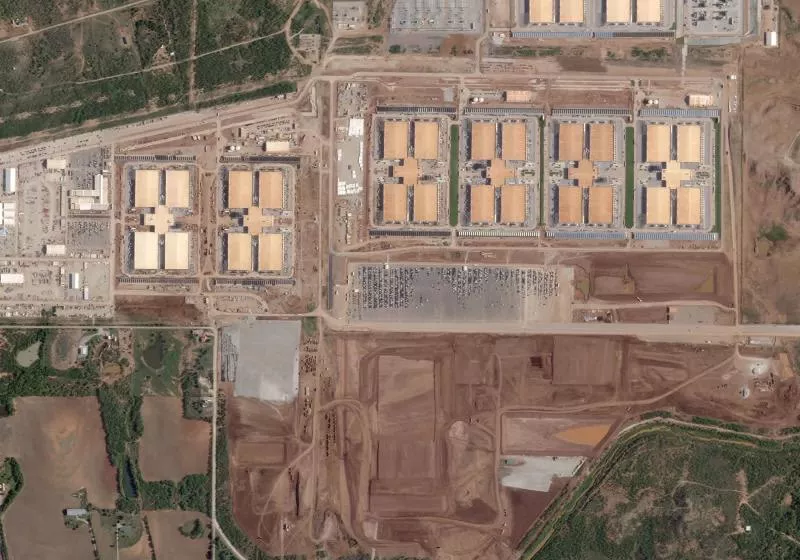
The environmental consequences could be substantial. Even under conservative assumptions, these plants would likely emit over 200 million tons of carbon dioxide annually, equivalent to the emissions of more than 46 million gasoline-powered vehicles. A prominent example is a 7.5 gigawatt plant in Texas designed to power Amazon's data centers, which recently obtained permits for air pollution, construction began based on satellite imagery, and Amazon officially confirmed its involvement.
In addition to greenhouse gases, these gas-powered facilities emit fine particulate matter, known to cause heart and lung issues; nitrogen oxides, which worsen respiratory conditions; and hazardous air pollutants like mercury, formaldehyde, and benzene. Experts warn that relying heavily on dirty gas or diesel turbines for powering data centers is counterproductive, exacerbating climate change while worsening local air quality.
John Rogers, an energy analyst at the Union of Concerned Scientists, and Yuqi Zhu, a policy analyst at Natural Resources Defense Council, express concern over the environmental impact. The trend initially began as an unusual case, such as Elon Musk's decision to transport mobile gas turbines to an xAI data center in Memphis in 2024.
Currently, nearly all hyperscalers, including Meta, Microsoft, and Oracle, are pursuing such projects, along with AI research labs like OpenAI and Anthropic, which have secured leases for over 10 gigawatts of behind-the-meter power. The development of these power plants tends to favor Republican-leaning states, with Texas leading the pack with more than 40 gigawatts of proposed installations.
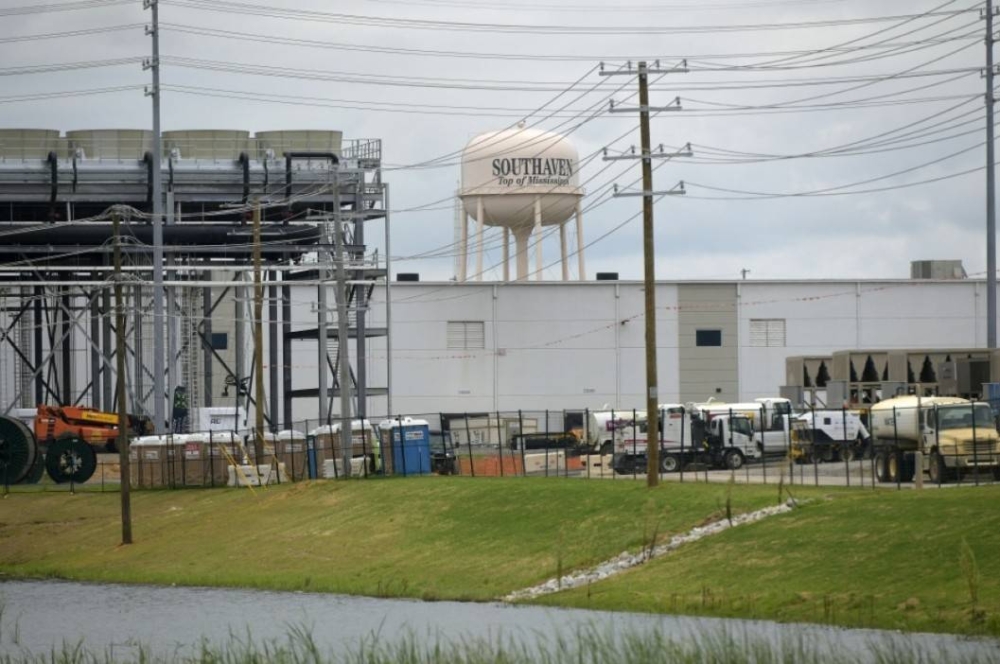
Furthermore, the NAACP civil rights group has filed a lawsuit against xAI, alleging unlawful operation of turbines in Mississippi to power its Memphis data center.
Written by urgent.news from Qatar Tribune Business's reporting — not their text. Machine-written — may contain errors; check the original before relying on it.