UPSC Mains Answer Practice — GS 3: Challenges for India’s MSME sector and increase in frequency of landslides (Week 167)
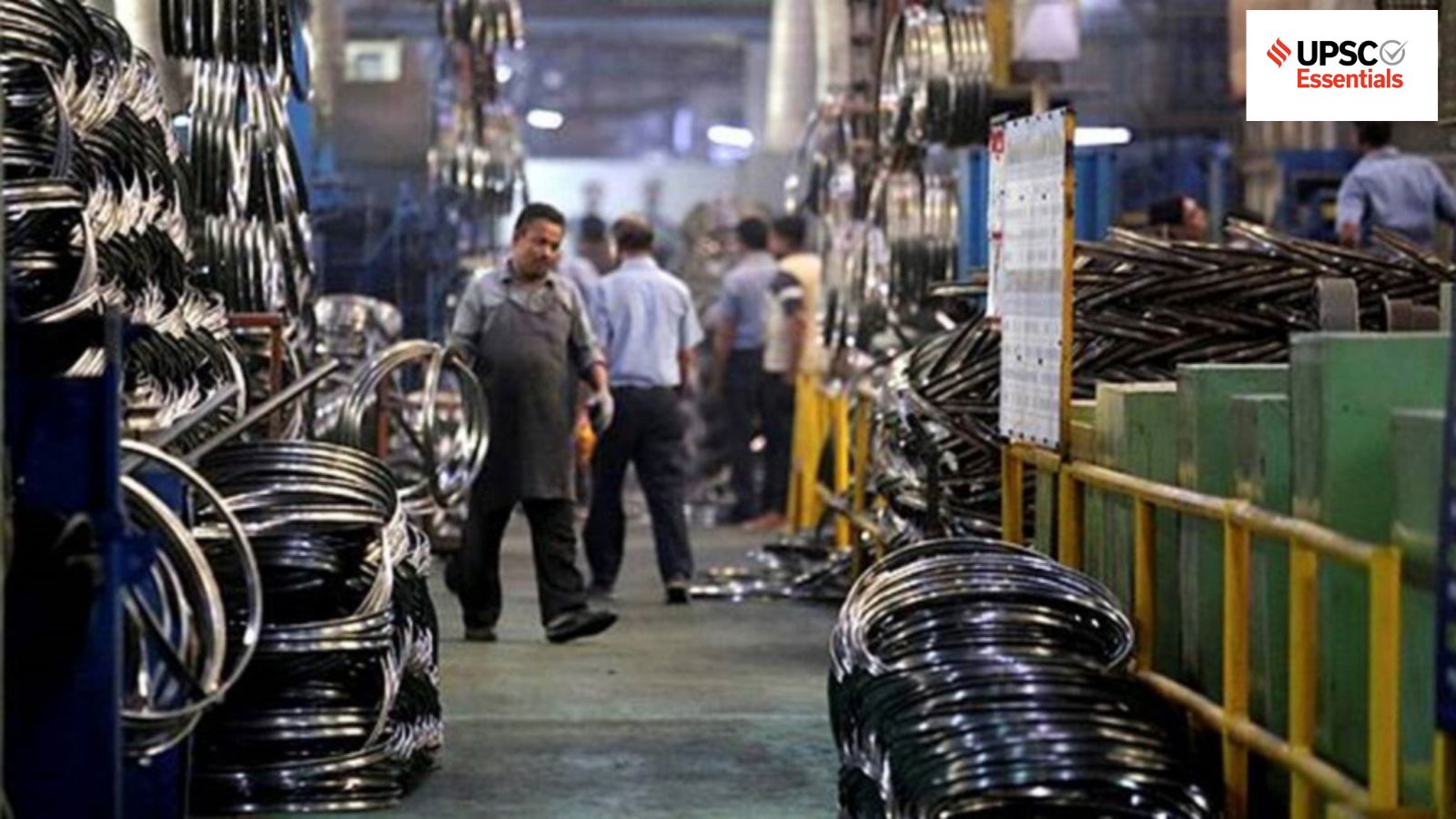
India's MSME sector holds significant promise as a major engine of employment generation and economic growth. However, several challenges impede its ability to realize this potential.
Firstly, a large number of MSMEs operate on a small scale, specializing in low-value activities. This limits their capacity for economies of scale and efficiency. Secondly, access to financing remains a significant hurdle for many MSMEs. While banks analyze each enterprise individually, the complexities and information asymmetry associated with small businesses make them appear as high credit risks.
Furthermore, payment delays compound this issue, limiting operating capital and disproportionately affecting smaller firms, which struggle to sustain operations and expand employment.
Thirdly, limited cash reserves, technological capabilities, and access to specialized facilities constrain productivity and prevent many small businesses from diversifying into higher-value industries. Additionally, MSMEs face considerable regulatory burdens, including GST, labor, environmental, and tax compliance regulations, which increase the cost of doing business.
The MSME sector also lacks access to applied research, specialized manpower, laboratories, and innovation networks due to inadequate links with universities and surrounding sectors. Moreover, while India possesses a vast number of microenterprises, the transition of these businesses into medium-sized enterprises is limited, hindering productivity and large-scale job creation.
To unlock the full potential of the MSME sector, India must shift from isolated firm-level support to ecosystem-based MSME development. Establishing specialized clusters can provide shared testing laboratories, logistics, cold storage, and design facilities. These clusters can also foster knowledge spillovers and create specialized labor markets.
Moreover, cluster-level financing can help address information asymmetry by considering shared collateral, buyer-supplier relationships, and collective performance. Simultaneously, improved university-industry ties, increased R&D support, expedited patent processing, targeted aid for high-performing MSMEs, and simplified compliance procedures can collectively contribute to enhancing productivity and competitiveness among MSMEs.
Written by urgent.news from The Indian Express's reporting — not their text. Machine-written — may contain errors; check the original before relying on it.
This story
This is one outlet's version. Read the fullest account.