The US and China are driven by their own insecurities
As another tit-for-tat trade fight looms, the superpowers are projecting their doubts and apprehensions onto the other.
The upcoming US-China presidential summit is shaping up to be another round of tit-for-tat trade disputes. In the latest escalation, the United States has added advanced robotics—humanoid robots, quadruped robots, and robot lawn mowers—to its list of banned Chinese tech products, while reportedly preparing to block connected power inverters used in solar energy production.
Behind these actions lies a debate over whether to restrict Chinese AI models. Beijing has threatened retaliation, calling the bans "discriminatory and suppressive."
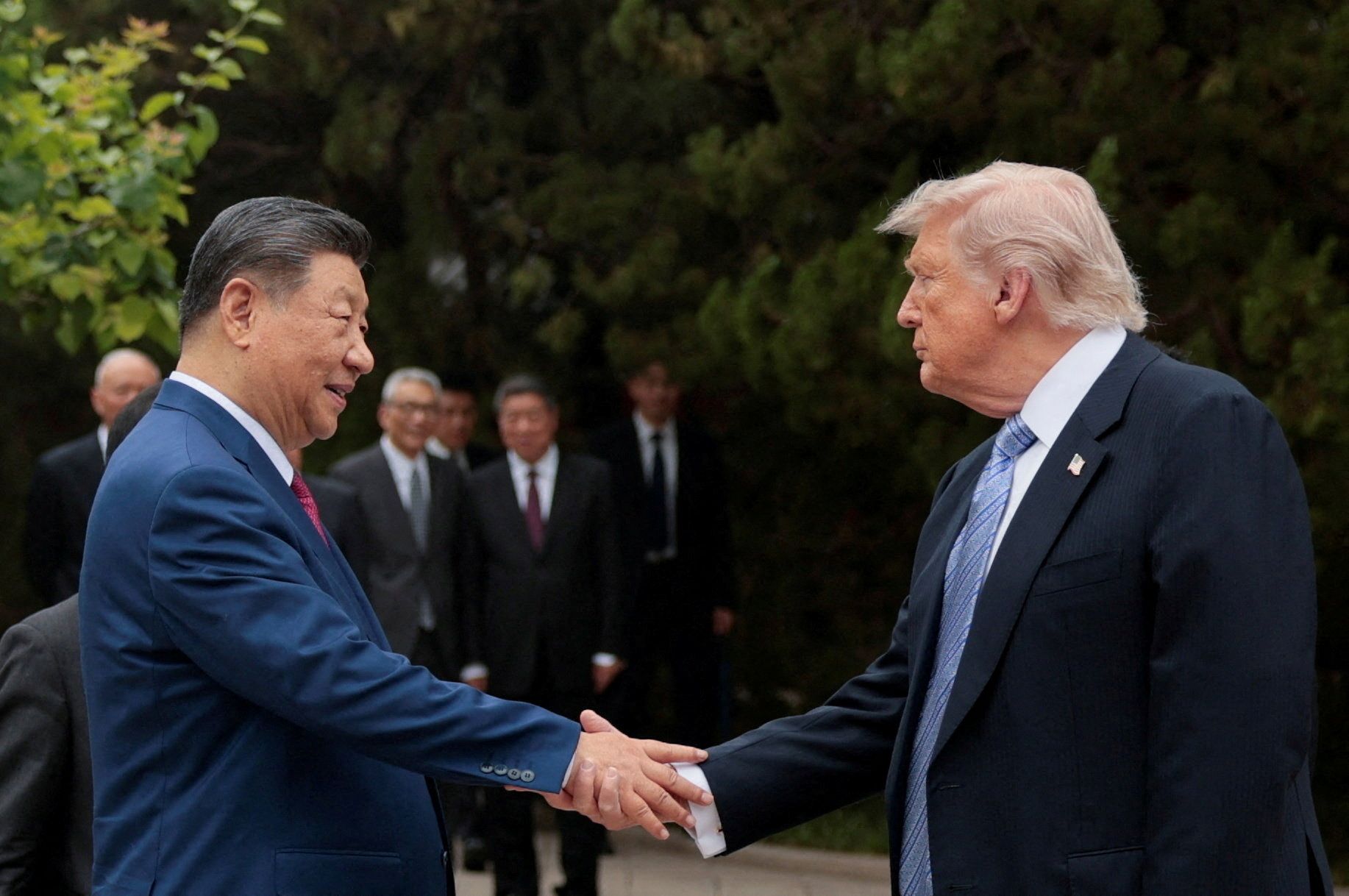
Despite these tensions, the summit between US President Donald Trump and Chinese leader Xi Jinping is expected to proceed, as both sides have previously reached a truce—Trump reduced tariffs, and Xi agreed to resume rare earth shipments. However, the underlying issue is the growing domestic insecurities within both nations that are influencing diplomatic efforts.
Since the last summit in Beijing, the US administration has become increasingly concerned about China's advanced technology surpassing American capabilities. This is evident in the administration's focus on Chinese AI models, such as the recently launched Kimi K3, which is on par with frontier US models but at a lower cost. US business executives have been touring China, drawn by the country's manufacturing prowess, but also feeling both fascination and fear.
US policymakers have a history of overestimating the competitive threat from rivals, as seen during the Cold War with the Soviet Union and Japan. Some analysts argue that this exaggerated view of China as a formidable adversary has led to frequent policy reversals, from a hawkish stance in the first Trump term to a more accommodative approach in the second term.
China, however, aims to project an image of invincibility, hoping that the US will relinquish its advanced manufacturing capabilities and accept deindustrialization at a faster pace. The Chinese government emphasizes its technological superiority while downplaying the economic consequences of its investments, which have resulted in an exploding debt load reaching 300% of GDP.
The Chinese economy's growth is now uncertain, with some estimates suggesting it may have even stalled, with deflationary pressures, a weakened financial system, and a declining currency. A former Biden administration official noted that Beijing's strategy includes two messages: "We are inevitable," and "Don't worry."
The upcoming summit is likely to result in a fragile trade truce and minor commercial agreements, but the real impact will be seen in the gap between the official rhetoric and the underlying economic realities of both nations. Both superpowers will be wary and projecting their doubts and apprehensions onto each other, with the summit's outcome hinging on whether they can resist the temptation to take more aggressive measures.
Written by urgent.news from Semafor's reporting — not their text. Machine-written — may contain errors; check the original before relying on it.