The problem isn’t the kanwar yatra. It’s a patronising state
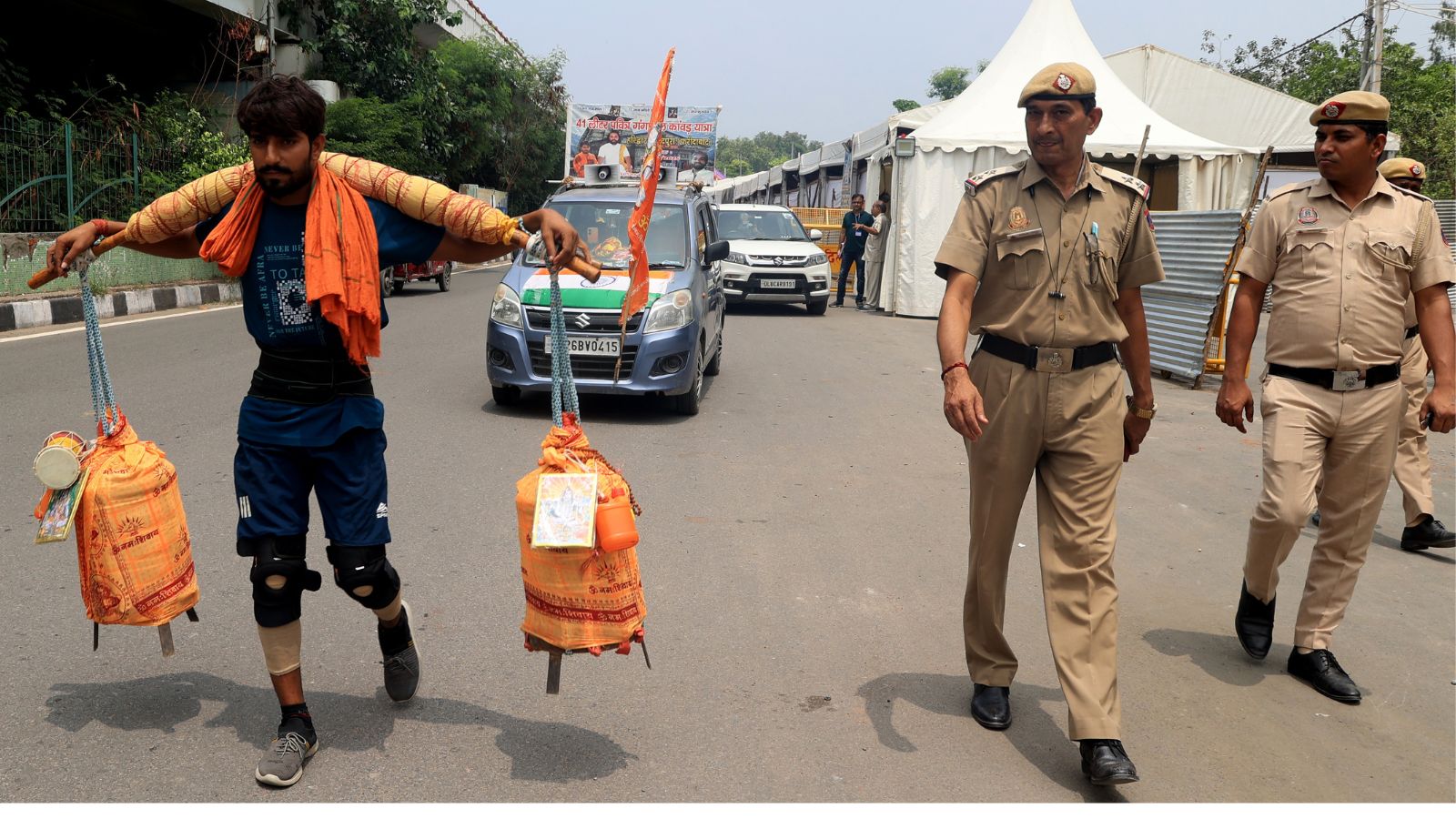
The kanwar yatra concluded on August 11, with thousands of devotees participating in a ritual and concluding their journey. However, beyond the physical exertion and spiritual devotion, the discussion surrounding the yatra among a certain segment of city dwellers centers primarily on traffic disruptions. This reflects a narrow, upper-middle-class perspective, often used to condemn various forms of protest and public assembly.
There is also a justified yet occasionally exaggerated fear regarding the safety of the young men undertaking the journey. While these concerns are not exclusive to the kanwar yatra, they are exacerbated in a society that values conformity and resents crowds. What sets the kanwar yatra apart is the government's intervention, which began in 2014.
Instead of simply facilitating the yatris, the government has imposed restrictions and treated the believers as if they are inferior. This paternalistic approach, reminiscent of colonial attitudes, is both dangerous for the republic and patronizing to the faithful. Governments in Uttar Pradesh and Uttarakhand have banned non-vegetarian food and mandated that shopkeepers display proprietors' names, drawing ire from minority-owned businesses.
In Bareilly, UP, four individuals were detained for serving non-vegetarian food, and shops were destroyed. In Prayagraj, senior police and district officials showered kanwariyas with floral petals. While these actions may not be targeted at Muslim businesses or demand floral showers, they demonstrate a profound lack of respect for believers and display a misunderstanding of their faith.
Rather than pandering to devotees, the government should engage in meaningful dialogue with them, understanding their motivations and justifications for undertaking the yatra. Only then can they provide genuine assistance instead of treating their faith as a tool for exclusion and bigotry.
Written by urgent.news from The Indian Express's reporting — not their text. Machine-written — may contain errors; check the original before relying on it.