The incremental war: How the US is reshaping its confrontation with Iran
The United States has entered a new phase in its confrontational strategy towards Iran in the Strait of Hormuz. After thirteen nights of US military strikes from July 11 to July 23, operations paused before resuming on July 29. They could be halted and restarted again, depending on Iran’s actions in the region. This pattern suggests the emergence of a new strategic paradigm in the Middle East…
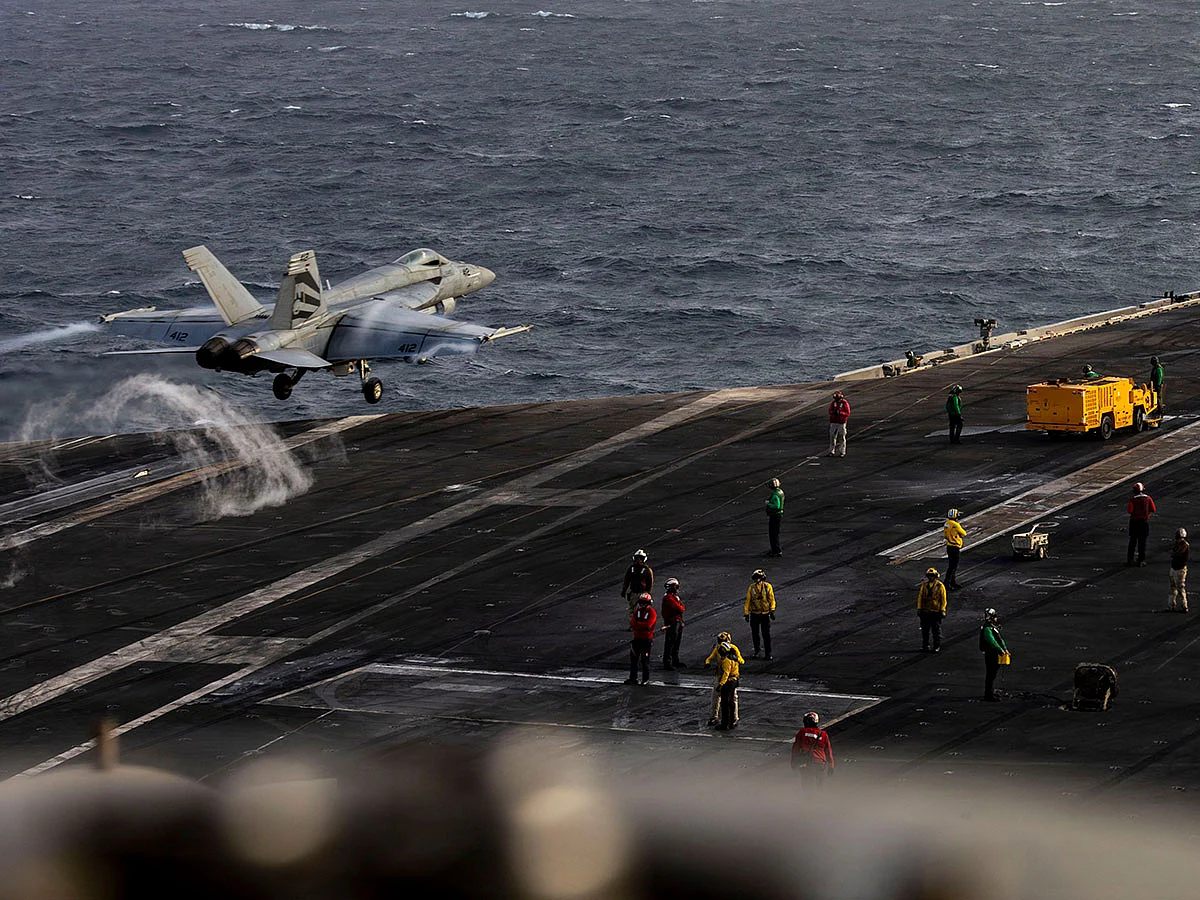
Throughout the summer of 2021, the United States has been waging a series of military strikes against Iran in the Strait of Hormuz. After thirteen consecutive nights of attacks from July 11 to July 23, the operations paused before resuming on July 29, only to pause again at a later date depending on Iran's actions. This pattern suggests a new strategy in the Middle East, which warrants close examination to predict future developments.
Under the Trump administration, the US has adopted a unique approach to managing Iranian behavior, focusing on calibrated use of hard power. Rather than launching a massive and prolonged campaign, the administration has opted for an incremental model of operations and timely announcements on both military and political fronts. These actions aim to create continuous pressure on Iran without leading to an instant victory or triggering a full-scale war.
A distinctive characteristic of this approach is its gradualness. Instead of targeting a single goal, the administration links a series of tactical maneuvers into a larger scheme, with each addition contributing to a bigger picture. The priorities have shifted since the launch of Operation Epic Fury, but the overarching objective remains to achieve a strategic victory, which the Trump administration plans to present as its foreign policy legacy, particularly with regard to Israel's security.
It is crucial to note that normalizing Israeli-Iranian relations is neither the objective nor a feasible choice, given the fundamental differences and hostility between the two nations. Instead, the US aims to neutralize Iran's ability to threaten Israel and other regional partners while altering the balance of power in the Middle East.
Energy security is of utmost importance, given that approximately one-fifth of oil exports pass through the Strait of Hormuz. Consequently, the US is focusing on Iran's energy infrastructure, particularly Kharg Island, in an effort to plan its future energy order should the conflict be resolved.
Moreover, domestic politics plays a significant role in these plans. President Trump has frequently faced criticism from congressional Democrats who have presented the War Powers Resolution to halt the military operation. To avoid lengthy legal disputes and prevent further division within the Republican Party ahead of the midterm elections, the administration has demonstrated political agility by temporarily pausing the operations or announcing their completion prior to starting the next phase.
Public opinion also imposes limitations on the administration's strategy. The overwhelming majority of Americans do not support another protracted Middle Eastern conflict, and high gas prices have influenced their economic perceptions. The administration argues that securing uninterrupted energy flow will bring stability to the energy market, ultimately leading to lower gas prices and providing both economic and political gains.
Diplomacy and revenge have different roles in Iran's conflict. Strategically, limited operations offer Washington the diplomatic room it needs. China and Russia closely observe the US tactics to learn how they will employ force in future conflicts. This allows the US to demonstrate its willingness to conduct military operations when necessary while avoiding overstepping. The US approach may serve as a model for dealing with geopolitical rivalry in other areas where American interests clash with those of its rivals.
One of the most significant aspects of the current administration's foreign policy is its flexible strategy, which varies depending on the context. Rather than adhering to a universal doctrine, the US adapts its approach to each conflict's specific circumstances. Despite causing some tactical inconsistencies, this flexibility aligns with the challenge faced by a unipolar power striving to retain its hegemony.
Iran stands as a prime example of how the US aims to retain its leadership by encouraging its partners to share responsibility for it. The era of contained conflict has passed, and the Iran war is spiraling out of control.
Written by urgent.news from Gulf News's reporting — not their text. Machine-written — may contain errors; check the original before relying on it.