The Diamond Industry’s Trust Problem Is Changing How Luxury Is Sold
Luxury faces a trust gap: diamond buyers spend $7,364 on average yet often don't know what drives the price.
Trust has become a significant concern in the luxury market, particularly within the diamond industry. Consumers are increasingly well-informed, with the ability to research products before making high-value purchases. In 2025, the average price of a natural diamond engagement ring in the US was $7,364, a 9% increase from the previous year.
Despite this growth, the demand for natural diamonds remains high, with De Beers' latest US study indicating that they are still the most desired luxury jewelry product. Additionally, average spending on natural diamond jewelry rose 25% to $4,063. Gen Z has now become the largest demographic for natural diamond purchases, showcasing their growing spending power.
However, the diamond market is facing a change as it must now explain itself. Lab-grown diamonds have disrupted traditional notions of scarcity and pricing, while online access to information has empowered consumers. Over half of couples now reported that their engagement ring featured a lab-grown stone, a significant shift from previous years.
This change reflects a new generation of buyers who demand proof and transparency in their purchases. The traditional diamond market, which has long relied on ambiguity and grading systems understood mainly by insiders, has struggled to adapt to this changing landscape.
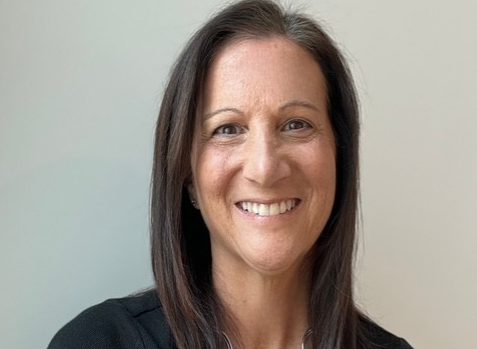
To address this issue, Stephanie Vilheym, co-founder of TD Diamonds, took a bold step by posting diamond prices alongside full stone details on their website. This practice, which was uncommon in the industry at the time, helped to demystify the purchasing process and build trust with customers. The move eliminated the need for buyers to negotiate and made the price more transparent.
Stephanie believes that this approach not only made luxury more accessible but also democratized the buying experience, allowing customers to make more informed decisions, even if they couldn't afford the specific stone being advertised.
The shift towards transparency and education has also influenced how luxury jewelry is marketed. Grading characteristics, which were once considered automatic measures of a diamond's value, are now seen as traits that should be understood in context. The focus has shifted from merely presenting specifications to guiding customers through the decision-making process, emphasizing the visual impact of the stone.
The definition of a desirable diamond is also evolving, with a growing appreciation for warmer tones and heavily included stones, reflecting changing tastes and increasing accessibility through lab-grown alternatives.
Despite these changes, authenticity remains a crucial factor in the diamond market. While lab-grown diamonds offer more attainable options, consumers still value the real thing. Liron Vilheym, Stephanie's husband and co-founder, stresses that authenticity carries a weight that technology cannot replicate. In this evolving landscape, the real shift in the diamond industry lies not in the diamonds themselves, but in the way they are sold.
Trust has to be earned, and it begins with transparency and a willingness to share expertise. As the traditional gatekeeping of luxury fades, the focus is on creating a credible experience that empowers customers to make confident, informed decisions.
Written by urgent.news from Newsweek's reporting — not their text. Machine-written — may contain errors; check the original before relying on it.