Strategic oil stockpiles have hit a 40-year low amid the Iran war
Oil prices spiked Tuesday as the Iran war continues to jeopardize global supplies, with U.S. strategic stockpiles falling to the lowest level in more than 40 years.
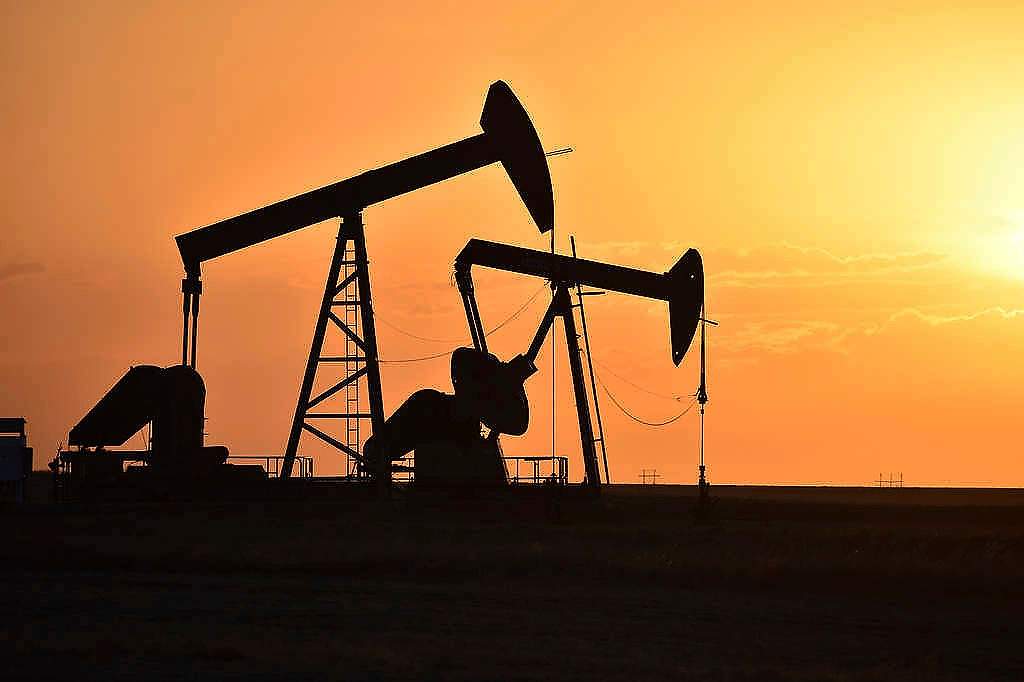
Oil prices experienced a significant surge on Tuesday due to the ongoing Iran war, which threatens global oil supplies. The U.S. strategic petroleum reserves, or SPR, have reached their lowest level in more than 40 years as a result of the conflict. The U.S. Strategic Petroleum Reserve dropped by approximately 6.1 million barrels to 298.7 million barrels last week, marking the lowest point since January 1983, according to data from the Department of Energy (DOE) released on Monday.
The maximum authorized capacity of the U.S. SPR is 727 million barrels, as per the DOE. Refilling these SPRs will take considerable time due to strained global oil supplies.
The U.S. has drawn down around 172 million barrels since March as part of a coordinated agreement with the International Energy Agency (IEA) to release 400 million barrels and stabilize oil markets following the U.S. and Israel's joint attacks on Iran. The IEA mandates its 32 member countries to maintain emergency oil reserves equivalent to 90 days of net crude oil and petroleum product imports.
While Canada is an IEA member, it is the only G7 nation without a government-mandated strategic stockpile, primarily because it is a net exporter of crude oil. The crucial Strait of Hormuz, responsible for approximately one-fifth of the world's oil supply, has been rendered inaccessible due to Iran's closure and threats of attacks on cargo vessels without permission.
Iran has also targeted its neighbors in the Persian Gulf region, causing further uncertainty in global oil markets. A tentative peace agreement between the U.S. and Iran resulted in a temporary ceasefire in June, but tensions escalated again in July as the agreement fell apart. Iran announced on Tuesday that it would continue to keep the Strait of Hormuz closed until the U.S. fulfills its demands, including financial compensation for the damages caused during the conflict.
Oil prices are primarily determined by expectations for supply and demand. When oil supplies dwindle, prices rise, often leading to higher fuel costs at gas stations, including in Canada. Gas prices have remained high since the Iran war began, and as SPR levels drop, this increases demand expectations due to the need for SPR replenishment.
The price of U.S. oil, known as West Texas Intermediate, was around US$83 per barrel on Tuesday at 3 p.m. eastern time, a $1 increase from Monday and a $2 jump from the previous week.
Written by urgent.news from Global News's reporting — not their text. Machine-written — may contain errors; check the original before relying on it.