Solar eclipse 2026: where, when and how to photograph the unmissable celestial event
A solar eclipse takes place on August 12 and can be seen in its totality in parts of Europe and in part as far afield as northern North America.
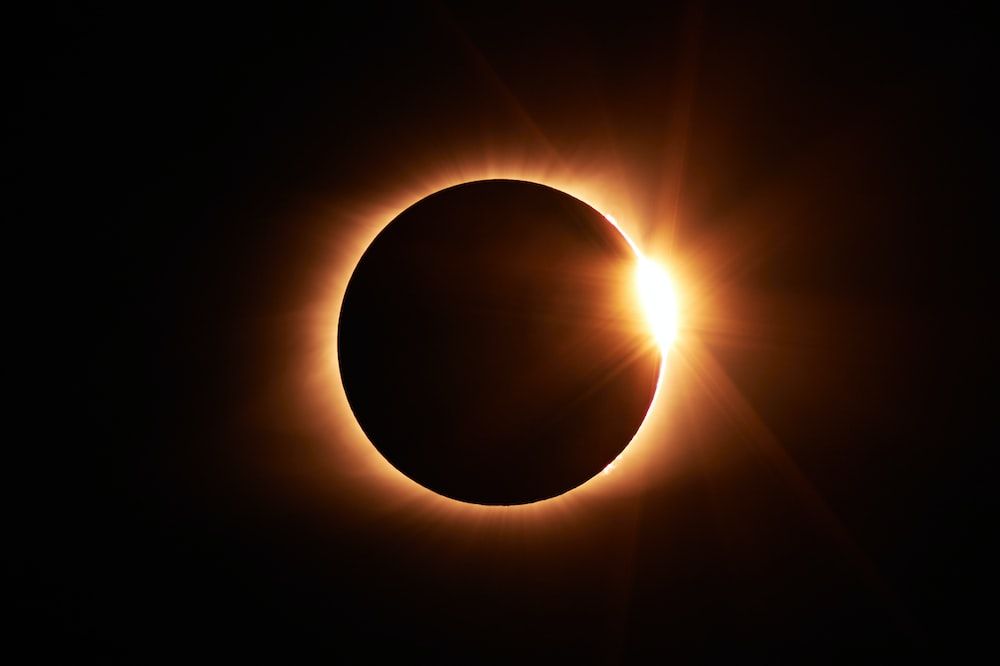
The total solar eclipse of August 12, 2026, will be visible in select parts of Europe and portions of northern North America. During this celestial event, the Moon will pass between the Earth and the Sun, temporarily blocking the Sun's light and revealing the Sun's corona. For those interested in photography, this event presents a unique opportunity to capture stunning images of the eclipse and its phases.
To photograph the 2026 total solar eclipse, it is crucial to choose the right location, use appropriate gear, and ensure personal safety.
When planning to photograph the eclipse, look for open areas with a wide, clear view of the sky. If the sun will be low in the sky during the event, consider incorporating landmarks or points of interest into the shot. Remember that the sun's position in the sky will change as the eclipse progresses, so be prepared to adjust your camera settings and framing accordingly.
When it comes to gear, the best camera is one that offers manual exposure control, as this will allow you to capture the perfect shot. For those who prefer a smartphone, the best option would be a high-end model with manual settings. Regardless of the device used, a telephoto lens (around 500mm or 20x zoom on a phone) is recommended for close-up shots of the sun. A wider, standard optic can be used to include landscape, people, or other features for context.
During the eclipse, there are several critical moments to capture, including first contact (the Moon beginning to cover the Sun), partial phase (the Moon gradually covering the Sun), Baily's Beads and diamond ring (just before and during totality), second contact (when the Moon completely covers the Sun), and totality (the period when the corona becomes visible).
Use a solar filter to protect your camera sensor and ensure proper exposure, except during totality, when the filter must be removed. Always wear eclipse-approved solar glasses to safely view the eclipse.
Written by urgent.news from TechRadar's reporting — not their text. Machine-written — may contain errors; check the original before relying on it.