‘Soft decluttering’: how small changes can calm a chaotic home
Forget the dramatic purge - a few manageable tasks can make your space feel lighter and easier to live in.
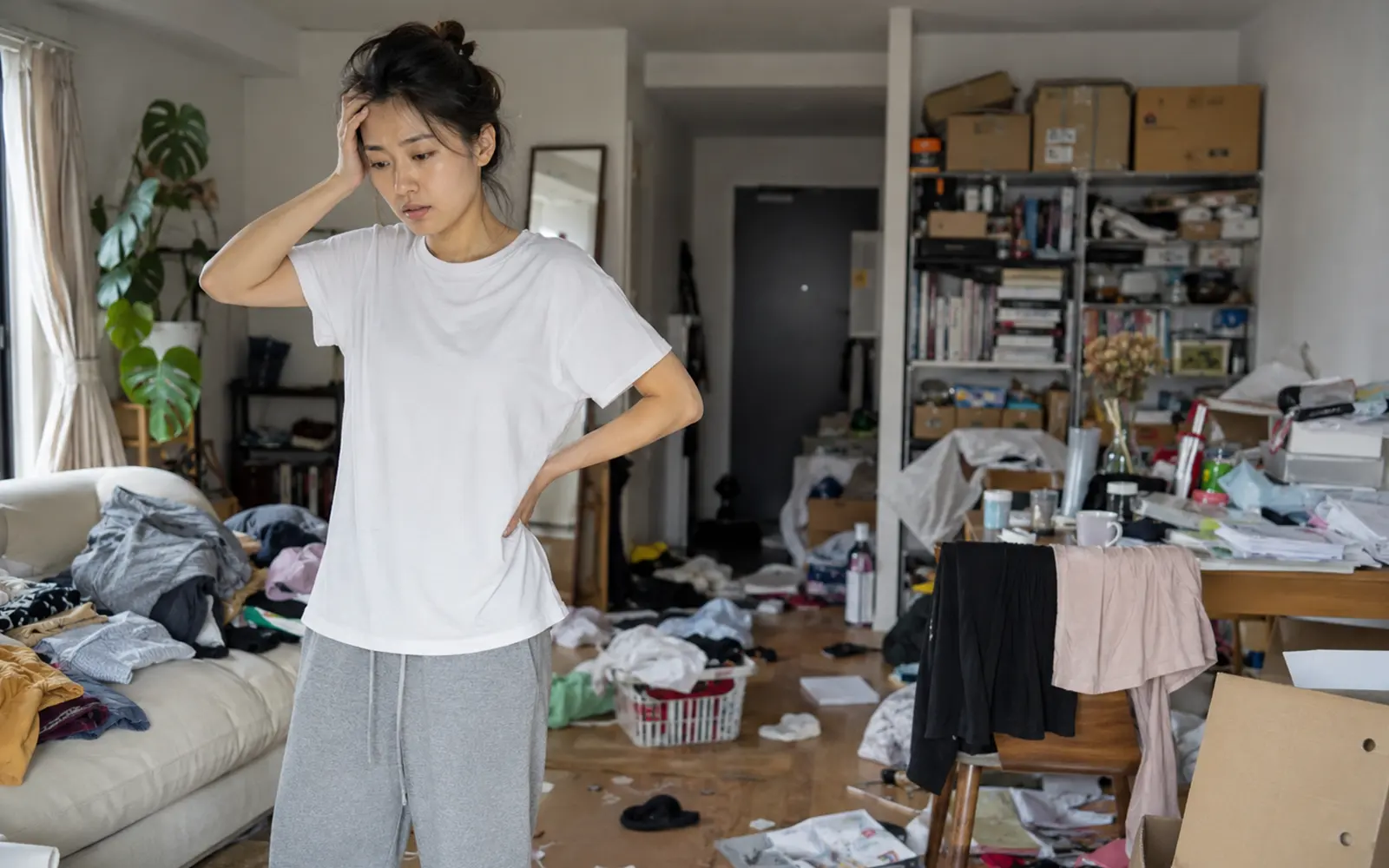
The concept of "soft decluttering" offers a more approachable method for tackling the overwhelming task of tidying up a home. Rather than attempting a complete overhaul, this strategy involves making small, manageable changes that gradually improve the overall clutter-free state of a space. Decluttering experts Jane Abrahams and Wendy Trunz, founders of the US organization Jane's Addiction Organization, suggest that the approach allows individuals to ease into the process without the stress of an all-or-nothing effort.
The key to soft decluttering lies in breaking tasks down into small, achievable goals. Choose one manageable problem, make progress on it, and then stop before the task becomes overwhelming. Over time, these small accomplishments can add up to a noticeable improvement in the living environment. It's important to remember that clutter isn't always the result of laziness or poor discipline; it can also stem from sentimental attachments, uncertainty about what to discard, or feelings of shame about the mess.
Psychologists recommend that decluttering be approached in smaller, less daunting chunks to reduce stress, particularly for those who struggle with perfectionism or hoarding tendencies. Rather than aiming for perfection, focus on making progress and accepting that a "done" state is often good enough. When deciding where to start, consider the areas that cause the most daily frustration, such as a pile of shoes by the front door or a countertop cluttered with unopened mail.
Begin by tackling the most frustrating spot in the home, even if it seems minor. This could be as simple as putting away stray bags, returning umbrellas to their proper place, or removing footwear that is seldom worn. Creating a designated spot for keys, receipts, and letters can make entering and exiting the home feel less chaotic. Using trays, simple dividers, or repurposed boxes can help keep items organized within drawers.
Maintenance is crucial for the success of soft decluttering. Check regularly for expired food, spoiled leftovers, and over-stayed condiments in the refrigerator. Apply the same principle to bathroom counters, kitchen cabinets, and medicine drawers by clearing one shelf or container at a time. This approach prevents clutter from ballooning into a larger, more daunting task later on.
Many untidy spaces suffer not from having too much stuff, but from items lacking a designated home. Chargers, batteries, pens, hair accessories, coins, and spare keys often end up in a chaotic drawer. Instead of buying complex storage solutions, use simple dividers, small trays, or repurposed boxes to create clear sections. Similar items should be grouped together, and frequently used objects should be easily accessible.
Extend this organization to handbags, wallets, and backpacks by using small pouches to separate different categories of items.
For those dealing with sentimental belongings, such as children's artwork, it's essential to decide which items still deserve a place in the home. Consider photographing these items before letting them go, preserving the memory without accumulating physical clutter. Store photographs securely to ensure they can be accessed when needed, especially in case of lost belongings.
In some cases, such as cluttered cars, it's helpful to tackle tasks in stages. Start by removing rubbish from the front seats, then move on to the trunk with a bag, collecting items that belong indoors. Finally, organize any remaining items that should remain in the car. This staged approach reduces decision fatigue and makes the task feel less overwhelming.
Finally, don't forget about digital clutter. Phones can be just as cluttered as kitchen drawers with unused apps, duplicate photographs, screenshots, and promotional emails. Take a short, timed session (e.g., 10 minutes) to clear out unnecessary items and maintain a more organized digital space. Remember, the objective of soft decluttering is not to achieve a flawless home but to create a more manageable, peaceful environment through consistent, small improvements.
Written by urgent.news from Free Malaysia Today's reporting — not their text. Machine-written — may contain errors; check the original before relying on it.